
Service Areas of Airduct Cleaning Co. - Find Us Near You
Lake-effect ready radon control for Toledo homes and foundations
Toledo’s radon challenges are shaped by Lake Erie’s influence, fluctuating moisture levels, and a wide range of foundation styles from early 1900s homes to mid-century builds and modern infill properties. Many homeowners discover elevated radon after sealing drafts, upgrading insulation, or converting basements into usable space changes that improve comfort but can unintentionally trap soil gases indoors.
Radon is a naturally occurring gas released from the ground. When testing shows elevated levels, the safest and most reliable solution is a professionally designed radon mitigation system that’s built for Toledo’s climate, soil behavior, and housing stock.
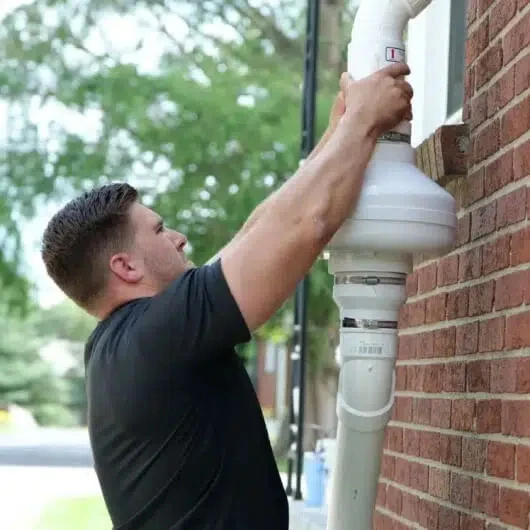
Proximity to Lake Erie brings frequent humidity swings and moisture-laden weather. When soil becomes saturated, radon is displaced upward, increasing pressure beneath foundations especially during spring thaw and fall rains.
Across Old West End, Point Place, Ottawa Hills, and South Toledo, homes commonly feature:
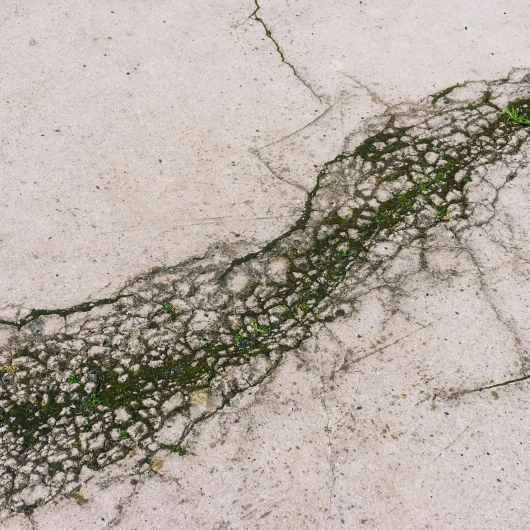
These conditions create numerous micro-openings where radon can enter.
Weatherization projects new windows, tighter doors, added insulation—reduce natural air exchange. In Toledo’s colder months, sealed homes can accumulate radon more quickly once it gets inside.
Radon has no smell or immediate symptoms. Families may use basements for laundry, storage, or living space for years without realizing levels are elevated.
Testing identifies the presence. Mitigation prevents the entry.
Radon mitigation systems work by managing pressure beneath the home, giving radon a controlled path out before it reaches indoor air.
A properly designed system captures radon below the foundation and vents it safely above the roofline. The system runs continuously and quietly, protecting the home regardless of weather.
Once installed, the system operates automatically.
This is a permanent safety improvement not a temporary adjustment.

Toledo homes demand careful planning due to moisture cycles and mixed construction. Our approach emphasizes durability, weather resistance, and clean installation.
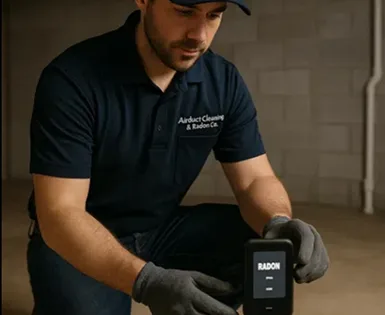
We begin by understanding how radon behaves under your home:
Homes near the Maumee River or lakeshore areas often require additional consideration.
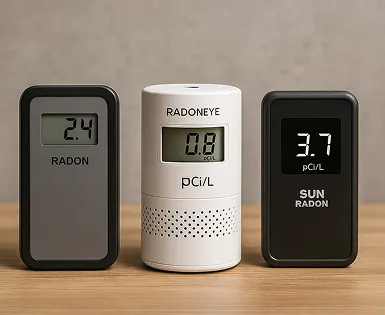
We design each system to fit the structure not a template.
Common Toledo solutions include:
Design choices prioritize reliability in damp, windy conditions.
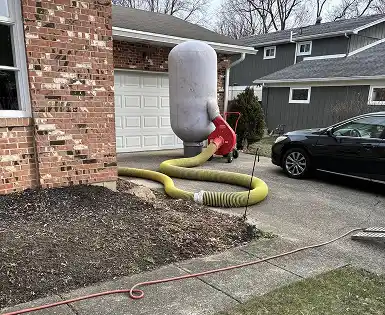
Most installations are completed within one day.
During installation, we:
Work areas are kept clean and orderly throughout.
Every system meets:
Radon gas is discharged above the roofline away from windows, doors, and neighboring structures.
After installation:
You’ll know how to confirm the system is operating normally.
Each case benefits from a tailored approach.

We design systems to perform in real Toledo conditions.
Radon mitigation is advised if:
Radon won’t resolve itself but it can be controlled.

Answer: Yes. Frequent moisture changes can raise pressure beneath foundations, increasing radon entry.
Answer: Older foundations often have more entry points, but any home—new or old—can test high.
Answer: No. Systems are designed with weather-rated components to perform reliably in windy conditions.
Answer: Most systems are discreet, with quiet fans and neatly routed piping.
Answer: Many homes see reduced levels within 24–48 hours after activation.
Answer: Post-installation testing confirms success. Retesting every few years is recommended for peace of mind.
If radon testing shows elevated levels, professional mitigation is the safest next step. A properly designed radon mitigation system protects your home, your health, and your comfort year-round.
Contact us today to request a quote or schedule radon mitigation in Toledo, Ohio.

2025 © Air Duct Cleaning & Radon Co. All Rights Reserved. Privacy Policy | Terms & Conditions | Data Usage Policy


