
Service Areas of Airduct Cleaning Co. - Find Us Near You
Data-driven radon control built for Central Ohio homes
Columbus homes face a different radon challenge than smaller towns or hillside cities. Here, the risk comes from wide variations in soil composition, mixed foundation types, and constant remodeling across neighborhoods. Radon often shows up during a real estate transaction or after a basement renovation when air patterns change and gas that once dispersed now concentrates indoors.
If testing shows elevated radon levels, the safest move is a professionally engineered radon mitigation system designed for Central Ohio conditions, not a generic setup. Our approach focuses on understanding how radon moves beneath your specific home and redirecting it safely permanently.
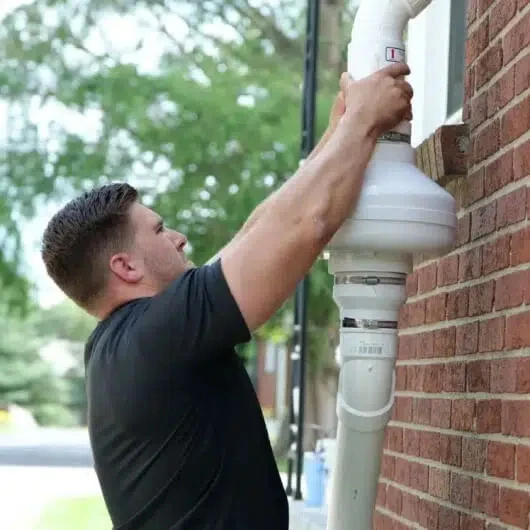
Columbus spans multiple soil types. Some neighborhoods sit on clay-heavy ground that traps gas until pressure forces it upward. Others rest on more porous soil that allows radon to travel freely. This variability means two homes on the same street can have very different readings.
Finished basements, sealed crawl spaces, new HVAC systems, and energy upgrades are common in Columbus. These improvements can unintentionally pull radon into living areas by altering pressure inside the home.
Homes across Clintonville, Grove City, Hilliard, Dublin, and Reynoldsburg often include:
Each of these creates unique radon entry paths that must be addressed correctly.
Radon doesn’t cause headaches or odors. Families often live with elevated levels for years, especially when lower levels are used as offices, gyms, or bedrooms.
Testing reveals the issue. Mitigation is what actually removes the risk.
Radon mitigation works by controlling pressure beneath your foundation, not by treating indoor air after contamination occurs.
A properly designed system:
This method stops radon at the source, which is why it delivers consistent results.
Once installed, the system works in the background—no daily effort required.

Every system is built using a Problem → Solution → Method framework, tailored to the property not the ZIP code.
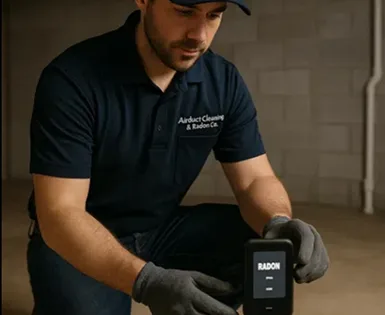
We begin by identifying how radon is moving beneath your home:
Homes near the Scioto River or in low-lying developments often require additional planning due to groundwater influence.
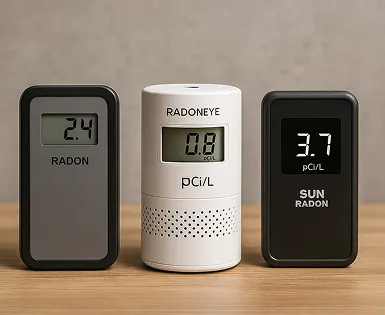
Rather than using off-the-shelf kits, we design a system that fits your structure.
Common Columbus solutions include:
The goal is efficiency, durability, and clean installation.
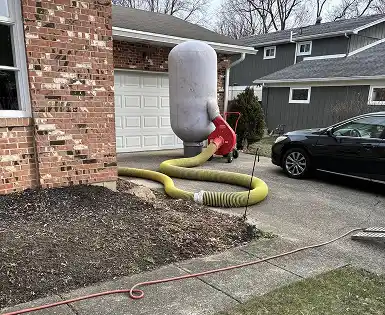
Most Columbus installations are completed in one day.
During installation, we:
We work cleanly and respect occupied homes.
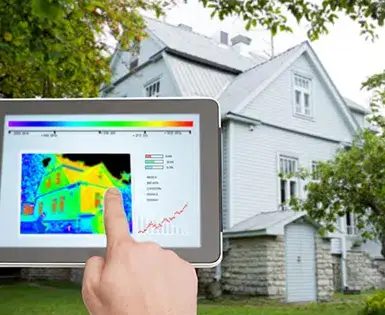
Every radon mitigation system meets:
Radon gas is discharged above the roofline, away from windows, doors, and neighboring structures.
After installation:
You’ll know how the system works and how to confirm it’s running properly.
Each case is different which is why system design matters.
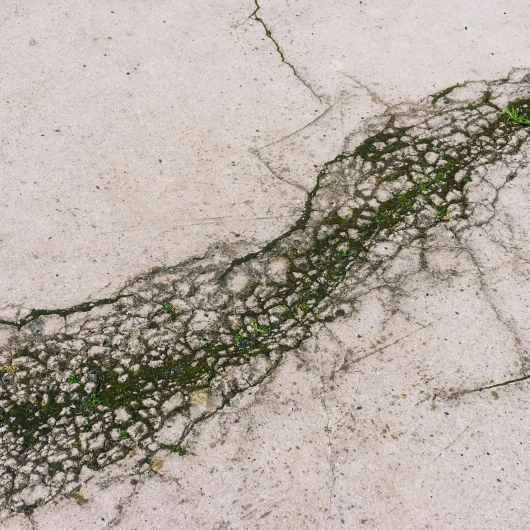

We don’t oversimplify radon problems. We solve them correctly.
Radon mitigation is recommended if:
Radon won’t go away on its own but it can be controlled permanently.

Answer: Columbus spans multiple soil zones and foundation styles, which causes significant variation even between nearby properties.
Answer: Yes. Systems are commonly installed after basement finishes and are designed to minimize visual impact.
Answer: No. Properly designed radon systems work independently and do not affect heating or cooling performance.
Answer: Most installations are completed within a single day, depending on foundation complexity.
Answer: Routine maintenance is minimal. Fans last many years and can be replaced without reinstalling the system.
Answer: Post-installation testing confirms effectiveness. Retesting every few years or after major renovations is recommended.
If radon testing shows elevated levels, professional mitigation is the most effective next step. A properly engineered radon mitigation system protects your indoor air, your investment, and your family’s long-term health.
Contact us today to request a quote or schedule radon mitigation in Columbus, Ohio.

2025 © Air Duct Cleaning & Radon Co. All Rights Reserved. Privacy Policy | Terms & Conditions | Data Usage Policy


