
Service Areas of Airduct Cleaning Co. - Find Us Near You
Built-for-Hamilton radon solutions for river-town homes and industrial-era construction
Hamilton has a character all its own. With a long industrial history, neighborhoods near the Great Miami River, and a mix of century-old houses alongside renovated properties, radon behaves differently here than in newer suburban areas. Many Hamilton homeowners discover radon only after purchasing an older home, renovating a basement, or preparing for resale.
Radon is not a sign of neglect or poor construction it’s a naturally occurring gas moving through the ground. In Hamilton, foundation age, soil moisture, and historic building methods often create ideal conditions for radon entry. When testing shows elevated levels, a professionally designed radon mitigation system is the most dependable way to regain control of your indoor air.
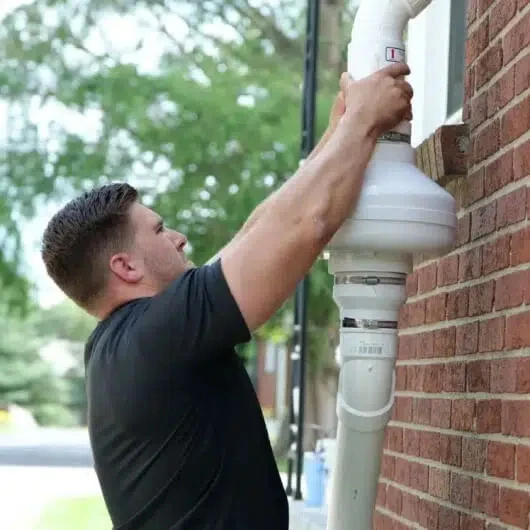
Hamilton’s closeness to the Great Miami River means groundwater levels can shift throughout the year. When soil becomes saturated, underground gases including radon are pushed upward toward foundations, especially during spring and after heavy rain.
Many homes in Hamilton were built decades ago using construction methods common at the time:
As homes settle, small openings develop. These are invisible day to day but radon uses them as entry points.
Homes near former manufacturing zones or rail corridors often have additions, partial basements, or mixed-use lower levels. These layouts can create uneven air pressure that actively pulls radon indoors.
Radon doesn’t cause immediate symptoms. Families may spend years using basement laundry rooms, workshops, or living areas without knowing radon levels are unsafe.
Testing identifies the risk. Mitigation is what actually removes it.
Radon mitigation systems work by changing how air and gas move beneath your home, giving radon a safe exit before it enters living spaces.
A properly designed system creates suction below the foundation, capturing radon and venting it outdoors at a safe height. The process is continuous and automatic.
Once installed, the system works in the background without affecting daily routines.
This is a permanent safety upgrade not a temporary fix.

Hamilton homes require thoughtful planning. Our process focuses on foundation behavior, moisture conditions, and long-term reliability.
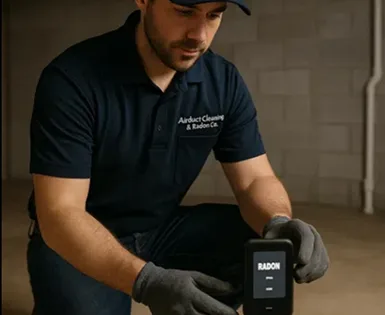
We start by understanding how radon interacts with your specific home:
Homes near river-adjacent neighborhoods often require special consideration due to fluctuating soil conditions.
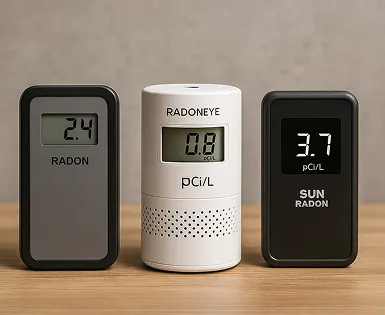
Rather than using pre-set designs, we engineer each system to match the home.
Common Hamilton system types include:
Each design balances effectiveness, durability, and visual discretion.
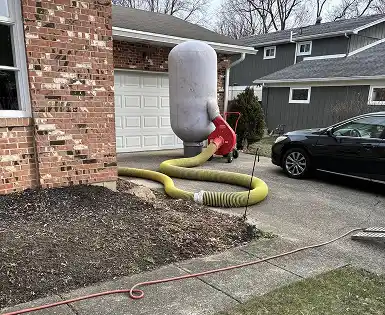
Most installations are completed in one day.
During installation, we:
Special care is taken with historic or remodeled interiors.
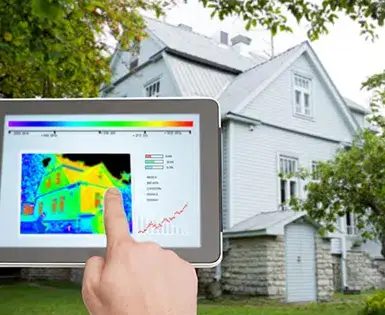
Every system meets:
Radon gas is released well above the roofline, away from windows, doors, and neighboring properties.
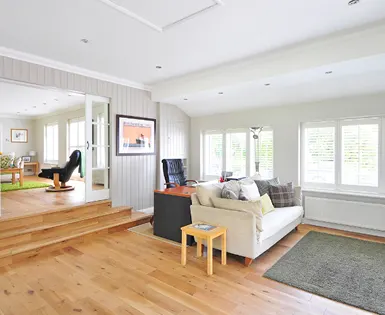
After installation:
You’ll know how your system protects your home and how to confirm it’s running properly.
Each situation requires a tailored solution, not a generic system.
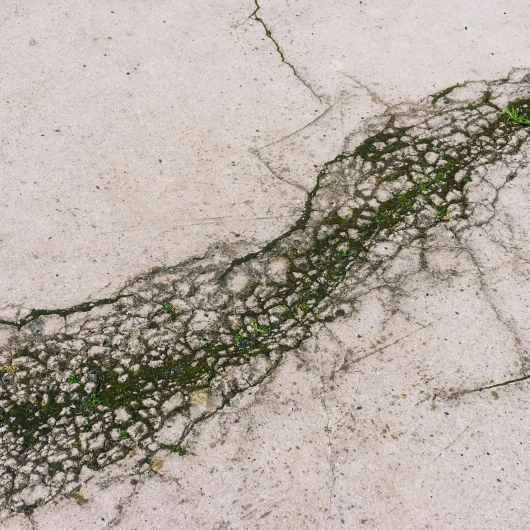

We design systems meant to last not just pass a test.
Radon mitigation is recommended if:
Radon won’t resolve itself but it can be managed permanently.

Answer: Older homes often have more radon entry points, but any home old or new can test high.
Answer: Fluctuating groundwater near rivers can increase radon pressure beneath foundations, making mitigation more important.
Answer: Yes. Systems are designed to work with existing structures and finished spaces.
Answer: Most systems are discreet, with piping and fans placed to minimize visibility and noise.
Answer: Many homes see reduced radon levels within 24–48 hours after installation.
Answer: Retesting isn’t required after storms, but periodic testing every few years is recommended for peace of mind.
If radon testing shows elevated levels, professional mitigation is the safest next step. A properly designed radon mitigation system protects your home, your health, and your long-term investment.
Contact us today to request a quote or schedule radon mitigation in Hamilton, Ohio.

2025 © Air Duct Cleaning & Radon Co. All Rights Reserved. Privacy Policy | Terms & Conditions | Data Usage Policy


