
Service Areas of Airduct Cleaning Co. - Find Us Near You
Practical radon solutions for growing homes and changing neighborhoods
Delaware, Ohio has grown quickly over the last decade. New subdivisions, remodeled older homes, and expanding residential areas have changed how homes breathe and that has made radon a growing concern. Many Delaware homeowners only discover radon during a home inspection or after converting basements into living spaces.
Radon doesn’t come from poor maintenance or old construction. It comes from the ground itself. When testing shows elevated levels, the most dependable answer is a professionally designed radon mitigation system built specifically for Delaware’s soil, foundation styles, and development patterns.
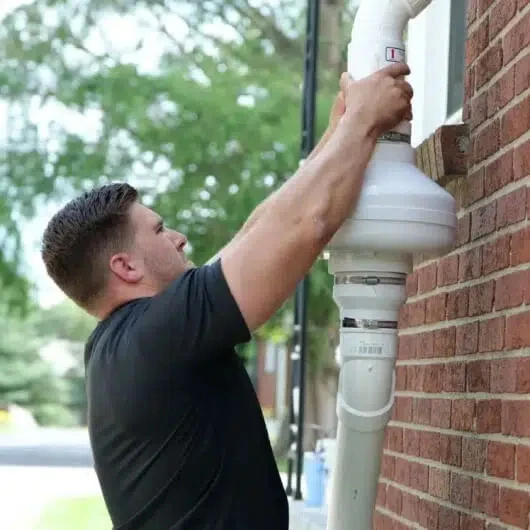
As land is cleared and graded for new construction around Delaware and nearby Sunbury, Lewis Center, and Powell, underground soil gases shift. These changes can increase radon movement toward newly built foundations.
Many Delaware homes are built with energy efficiency in mind. While this helps with heating and cooling costs, it also reduces natural air exchange—allowing radon to build up once it enters the home.
Homes in Delaware often include:
These mixed foundations provide multiple entry paths for radon, especially around utility penetrations and expansion joints.
Radon doesn’t cause immediate symptoms. Families may live with elevated levels for years, particularly when basements are used as offices, guest rooms, or play areas.
Testing identifies the presence of radon. Mitigation is what removes the risk.
Radon mitigation systems work by managing pressure beneath the home, giving radon gas a controlled escape route before it can enter indoor spaces.
The system gently pulls radon from beneath the foundation and releases it safely above the roofline. This prevents radon from seeping through floors, walls, or crawl spaces.
Once installed, the system quietly does its job without disrupting daily life.
It’s a permanent improvement, not a temporary workaround.

Every Delaware home is different, so our process focuses on custom planning and careful execution rather than standard kits.
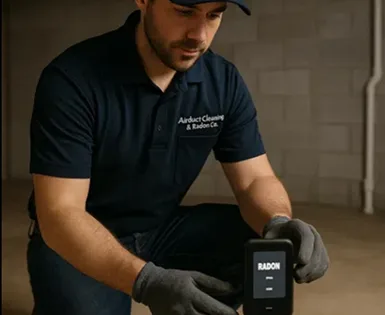
We begin by understanding how radon is behaving beneath your home:
Homes near Alum Creek or newer developments often require extra attention due to soil moisture changes.
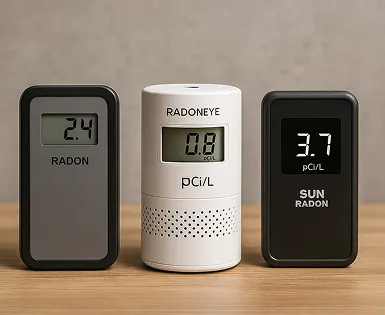
Based on the assessment, we design a system that fits your home—not a template.
Common solutions in Delaware include:
Each design balances performance, appearance, and code compliance.
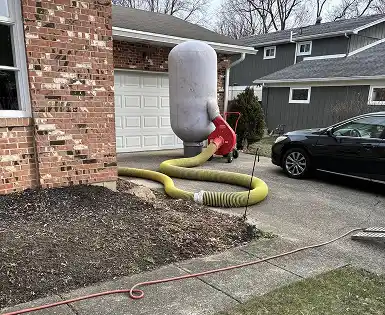
Most installations are completed in a single day.
During installation, we:
We work carefully to keep your home clean and undisturbed.
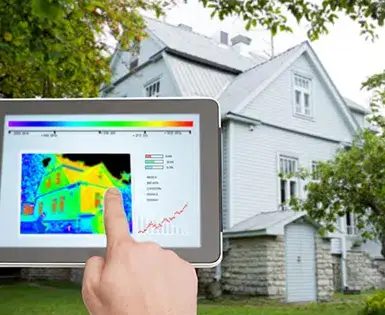
All radon mitigation systems are installed to meet:
Radon gas is released safely above the roofline, away from windows, doors, and neighboring homes.
After installation:
You’ll know exactly how your system works and how to ensure it continues protecting your home.
Different homes require different solutions custom design makes the difference.
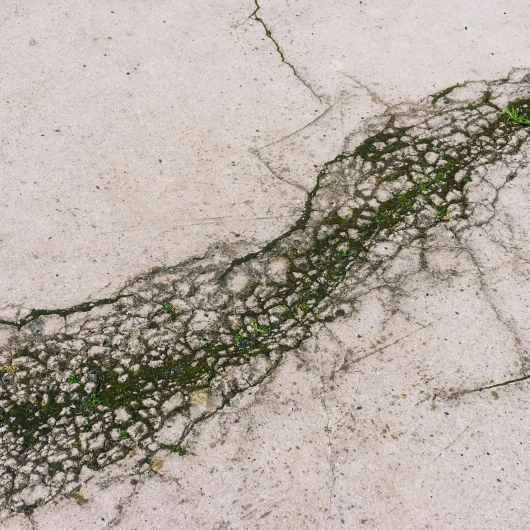

We don’t rush installations we get them right.
Radon mitigation is recommended if:
Radon doesn’t disappear but it is fully manageable.

Answer: Yes. New construction can still have high radon levels, especially due to tight building envelopes that trap gas indoors.
Answer: Systems are designed to be discreet, with piping routed to minimize visual impact both inside and outside the home.
Answer: Yes. Crawl space homes often benefit from sealed membranes combined with controlled venting.
Answer: In most cases, radon levels decrease within 24 to 48 hours after the system is activated.
Answer: Maintenance is minimal. The fan may eventually need replacement, but piping and seals are long-lasting.
Answer: Yes. Post-installation testing confirms effectiveness, and periodic retesting every few years is recommended.
If radon testing shows elevated levels, professional mitigation is the safest and most effective next step. A properly installed radon mitigation system protects your home, your health, and your peace of mind.
Contact us today to request a quote or schedule radon mitigation in Delaware, Ohio.

2025 © Air Duct Cleaning & Radon Co. All Rights Reserved. Privacy Policy | Terms & Conditions | Data Usage Policy


