
Service Areas of Airduct Cleaning Co. - Find Us Near You
Smart radon reduction for Dayton homes shaped by history, water tables, and weather
Dayton homes face radon risks that are very different from those in fast-growing suburbs or dense urban centers. Here, the concern often comes from older construction, river-influenced soil, and frequent moisture changes. Many homeowners first learn about radon after finishing a basement, noticing musty odors, or during a home sale inspection.
Radon doesn’t mean a home is unsafe or poorly built it simply means the ground beneath it is releasing gas. When radon levels are elevated, a professionally installed radon mitigation system is the most effective way to protect your indoor air and regain peace of mind.
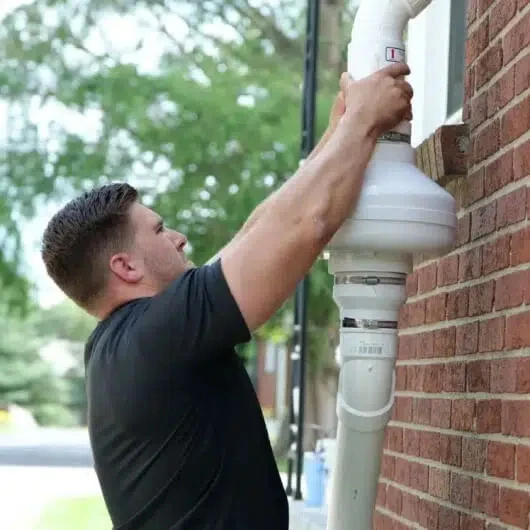
Dayton sits near multiple waterways, including the Great Miami River. Changes in groundwater levels can increase pressure beneath foundations, pushing radon gas upward into basements and lower levels.
Many homes across Dayton, Kettering, Oakwood, Riverside, and Huber Heights were built decades ago. These homes often include:
Over time, small gaps develop perfect entry points for radon.
Seasonal rain and humidity common to Dayton can saturate soil, forcing radon to move upward faster. Homes with sump pumps or drainage systems may unknowingly draw radon indoors along with moisture.
Radon doesn’t cause immediate discomfort. Families may spend years in finished basements or lower-level bedrooms without realizing radon levels are unsafe.
Testing confirms the issue. Mitigation removes the danger.
Radon mitigation systems focus on redirecting soil gas before it enters the home, rather than trying to remove it afterward.
A properly designed system creates a controlled pressure zone beneath your home. Radon gas is captured and safely vented outside—well above the roofline—so it never enters living spaces.
Once installed, the system works in the background without disrupting daily life.
This is a permanent solution, not a temporary fix.

Every Dayton home requires a different strategy. Our process is built around site-specific planning and precision installation.
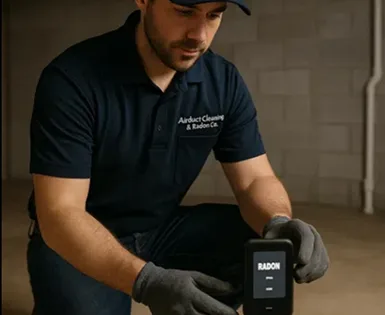
We begin by understanding how radon is moving beneath your home:
Homes near floodplains or low-lying areas often need extra consideration during system design.
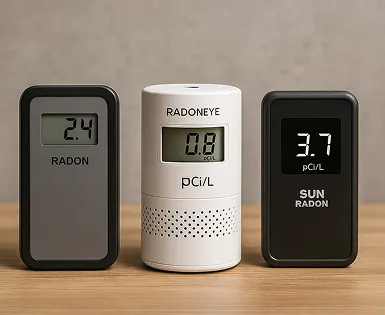
We design each system based on structure not assumptions.
Common Dayton solutions include:
Each system is designed to balance performance, durability, and appearance.
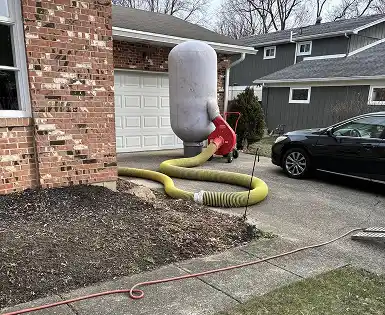
Most installations are completed in one working day.
During installation, we:
We work carefully to respect older homes and finished spaces.
All radon mitigation systems are installed in accordance with:
Radon gas is released safely into open air never near windows or doors.
After installation:
You’ll know how the system works and how to confirm it’s operating correctly.
Each situation requires a custom solution not a generic approach.

We take the time to do it right especially in homes with history.
Radon mitigation is recommended if:
Radon doesn’t disappear but it can be controlled.

Answer: Older homes often have more entry points, which can increase radon intrusion—but any home can be affected.
Answer: Yes. Systems are designed to minimize structural impact and preserve finished or historic features.
Answer: Yes. Saturated soil can push radon upward faster, especially near rivers or areas with high groundwater.
Answer: Most homes see reduced radon levels within 24 to 48 hours after system activation.
Answer: Radon fans are energy-efficient. Most homeowners notice only a very small increase in electricity use.
Answer: Yes. Any major renovation can change airflow, so retesting is always recommended.
If radon testing shows elevated levels, professional mitigation is the safest and most reliable solution. A properly designed radon mitigation system protects your home, your health, and your future.
Contact us today to request a quote or schedule radon mitigation in Dayton, Ohio.

2025 © Air Duct Cleaning & Radon Co. All Rights Reserved. Privacy Policy | Terms & Conditions | Data Usage Policy


