
Service Areas of Airduct Cleaning Co. - Find Us Near You
Foundation-aware radon solutions for Springfield’s drainage-heavy homes
Springfield homes face radon challenges shaped by legacy drainage systems, mixed foundation ages, and frequent ground saturation. In many neighborhoods, radon becomes an issue after a basement waterproofing upgrade, drain installation, or long rainy season when pressure changes below the slab push soil gases upward.
Radon isn’t caused by household activities or appliances. It’s a natural gas moving through the ground. When testing shows elevated levels, a professionally designed radon mitigation system is the most reliable way to intercept radon before it reaches indoor air and lingers.
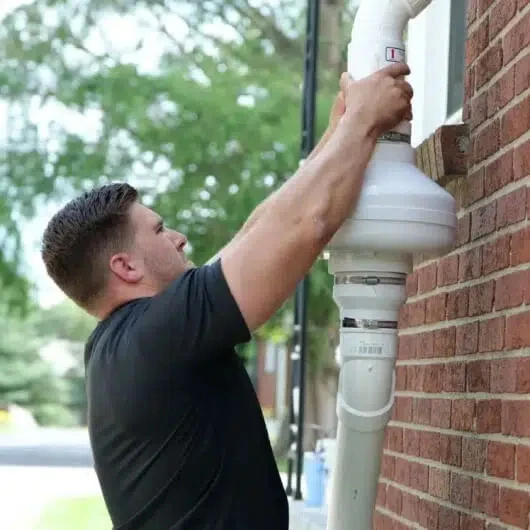
Springfield has many homes with interior perimeter drains, trench systems, or older tile drainage. These features manage water well but they can also create low-pressure pathways that draw radon into basements if not paired with proper gas control.
Across neighborhoods like Lagonda, Northside, and Bechtle Avenue areas, homes often combine:
These transitions are prime entry points for radon.
Springfield’s rainfall patterns can saturate soil for extended periods. When water fills pore spaces underground, radon is displaced upward, increasing the likelihood of indoor intrusion through floors and drains.
Radon doesn’t trigger alarms or odors. Families may use basements for storage, hobbies, or living space without realizing radon levels are elevated especially after airflow changes from renovations.
Testing identifies the risk. Mitigation prevents exposure.
Radon mitigation works by separating drainage control from gas control, ensuring radon has a dedicated exit path that doesn’t rely on interior airflow.
A properly engineered system captures radon beneath the foundation often working alongside existing drains and vents it safely above the roofline so it disperses outdoors.
Once installed, protection is automatic and consistent.
This is a permanent safeguard, not a short-term adjustment.

Springfield homes often require coordination with existing drainage. Our process emphasizes compatibility, sealing, and long-term performance.
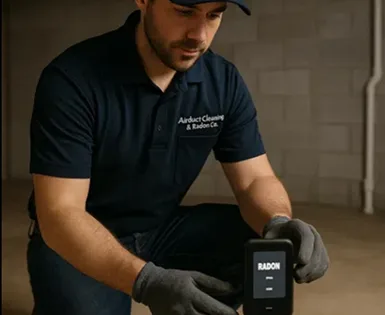
We begin by understanding how radon and air move beneath your home:
Homes with interior drain systems receive extra attention during planning.
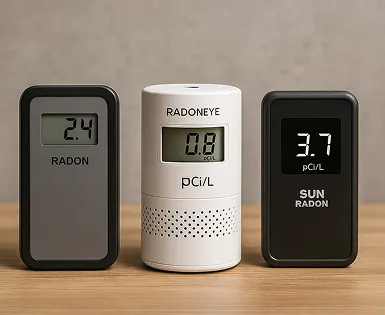
We design each system to work with your home’s structure.
Common Springfield solutions include:
Design choices prioritize effectiveness without disrupting drainage performance.
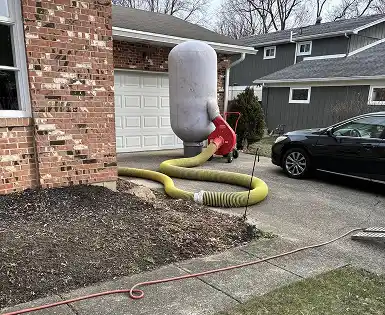
Most installations are completed within one day.
During installation, we:
We work carefully around finished basements and existing systems.
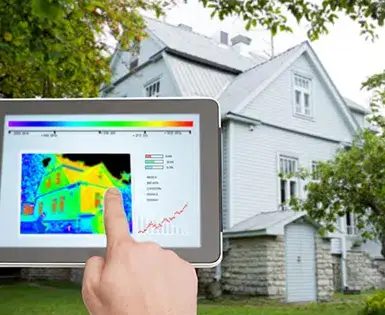
Every system is installed to meet:
Radon gas is released above the roofline well away from windows, doors, and neighboring structures.
After installation:
You’ll know how to confirm the system is running and what normal operation looks like.
Each scenario calls for a tailored solution not a template.
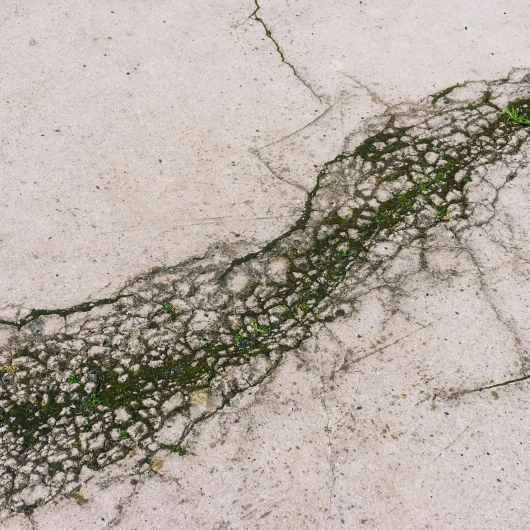

We focus on preventing radon entry not just lowering a number.
Radon mitigation is recommended if:
Radon won’t resolve itself—but it can be controlled reliably.

Answer: Yes. Drains can create low-pressure paths that pull radon indoors unless paired with proper gas venting.
Answer: No. Systems are designed to complement waterproofing, not compete with it.
Answer: Yes. Properly engineered systems maintain performance even when soil is saturated.
Answer: Most components are discreet, with quiet fans and neatly routed piping.
Answer: Typically within 24–48 hours to confirm reduction, with periodic retesting every few years.
Answer: Minimal maintenance is needed. Fans last many years and are easy to replace if required.
If radon testing shows elevated levels, professional mitigation is the safest next step. A well-designed radon mitigation system protects your home, your health, and your peace of mind.
Contact us today to request a quote or schedule radon mitigation in Springfield, Ohio.

2025 © Air Duct Cleaning & Radon Co. All Rights Reserved. Privacy Policy | Terms & Conditions | Data Usage Policy


