
Service Areas of Airduct Cleaning Co. - Find Us Near You
Springfield is known for its established neighborhoods, tree-lined streets, and homes that have stood for generations. Many of these properties were built long before radon was widely understood. As a result, radon can quietly enter homes through foundations and remain undetected for years.
Our radon testing service in Springfield, Ohio is focused on accuracy, education, and trust. We help homeowners understand what’s happening beneath their home and inside their air—without fear, pressure, or confusing technical language.
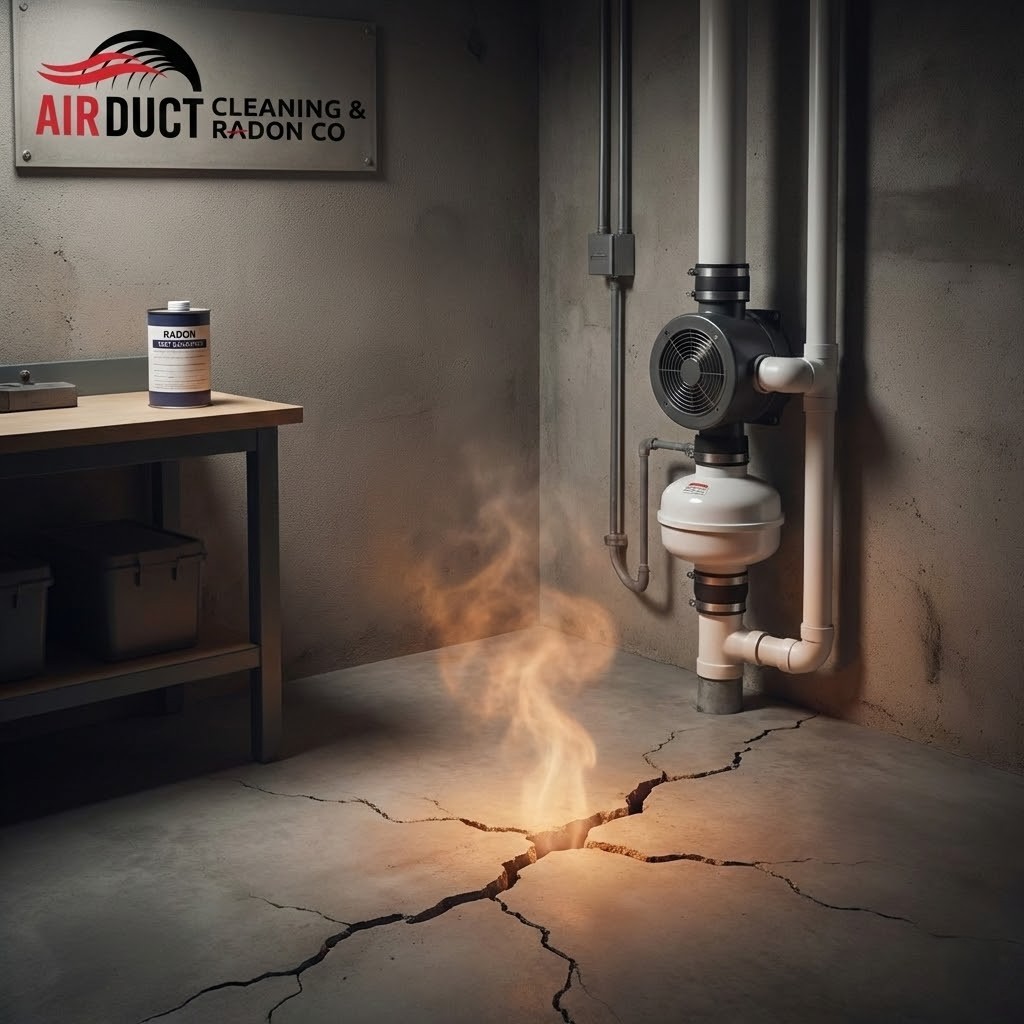
Radon is a naturally occurring radioactive gas that forms underground. Once it rises through soil, it can enter buildings through the smallest openings. Springfield’s housing and land characteristics make this more common than many residents expect.
Radon has no smell or visible signs. People often assume their home is safe because it feels comfortable. Unfortunately, radon exposure is a long-term risk that builds silently.
The only way to know if radon is present is to test.
Professional radon testing replaces uncertainty with reliable data. Our Springfield radon testing service is designed to reflect how homes are actually lived in, not ideal lab conditions.
We follow EPA-recommended testing methods and Ohio radon standards to ensure dependable results.

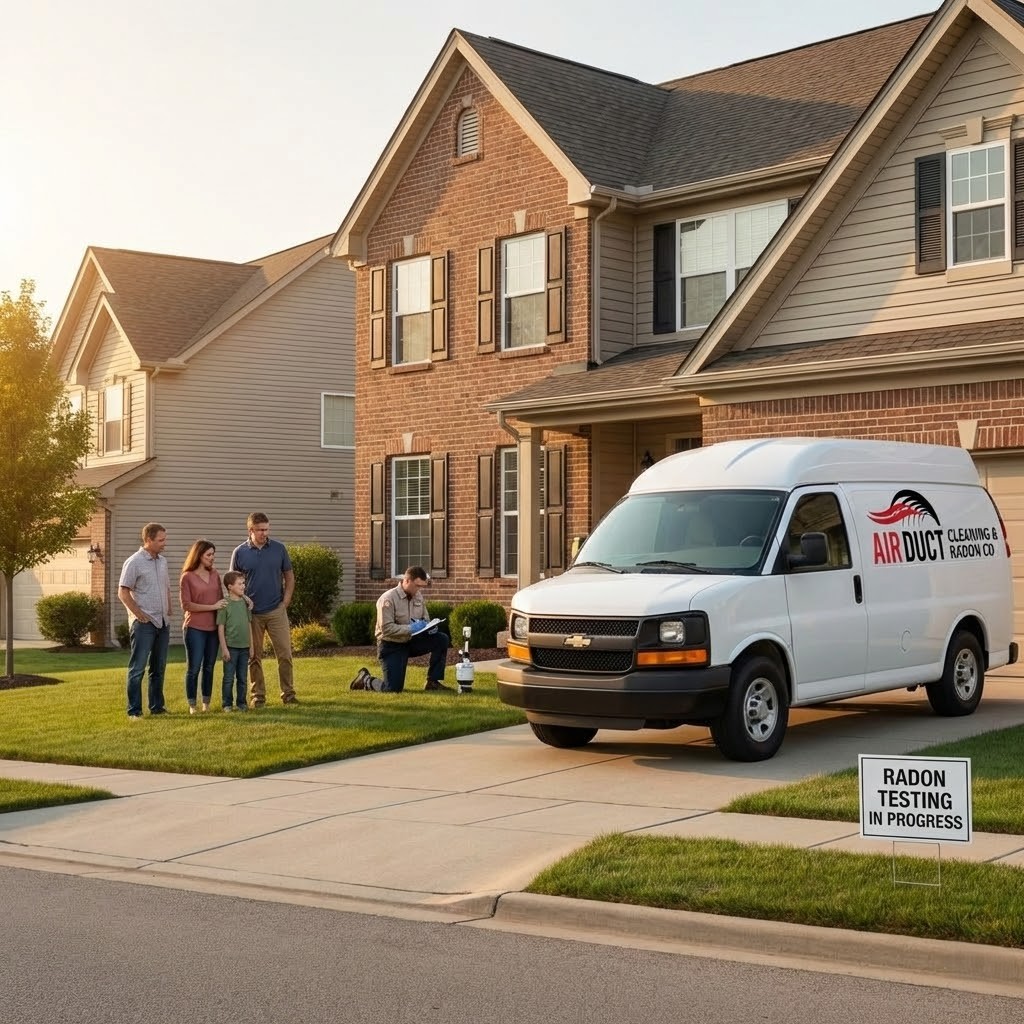
Each situation is unique. Professional testing provides clarity in all cases.

We assess your home’s layout, foundation type, and lowest regularly used area.
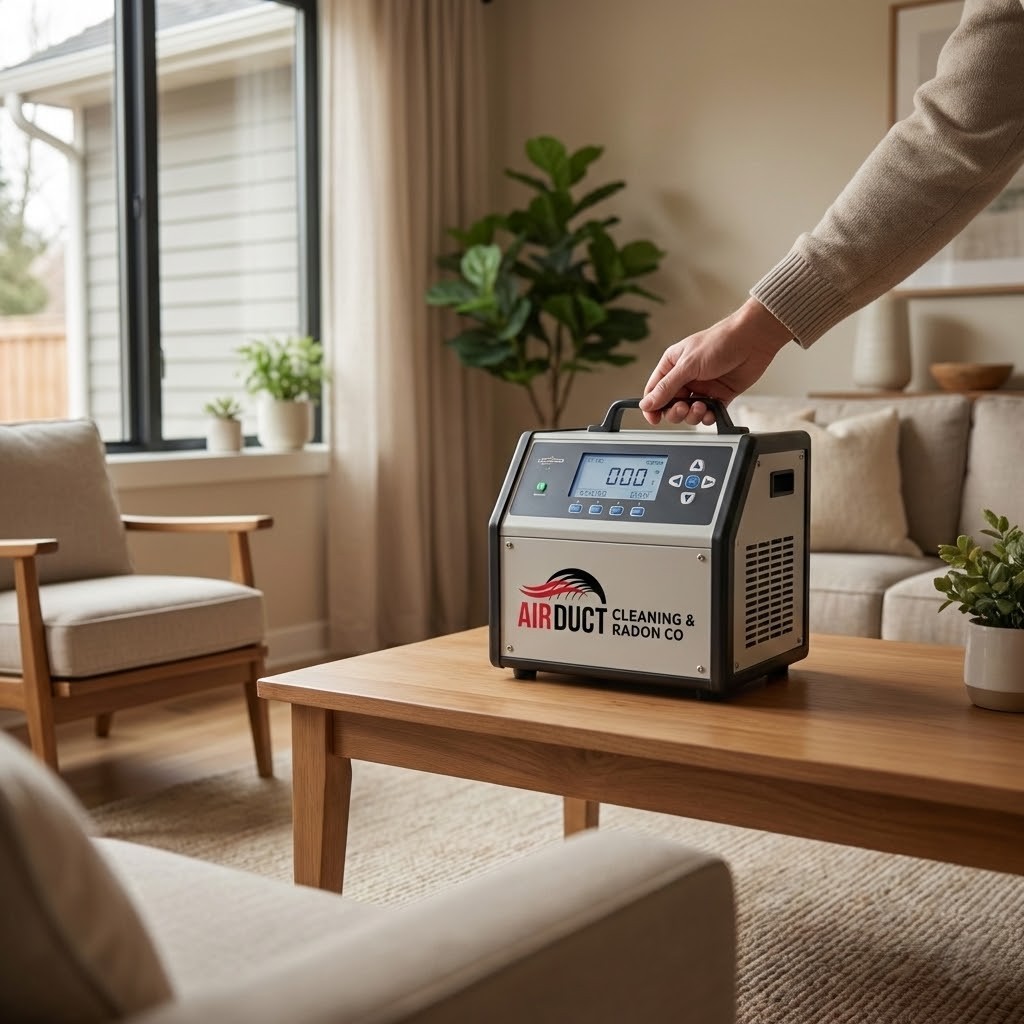
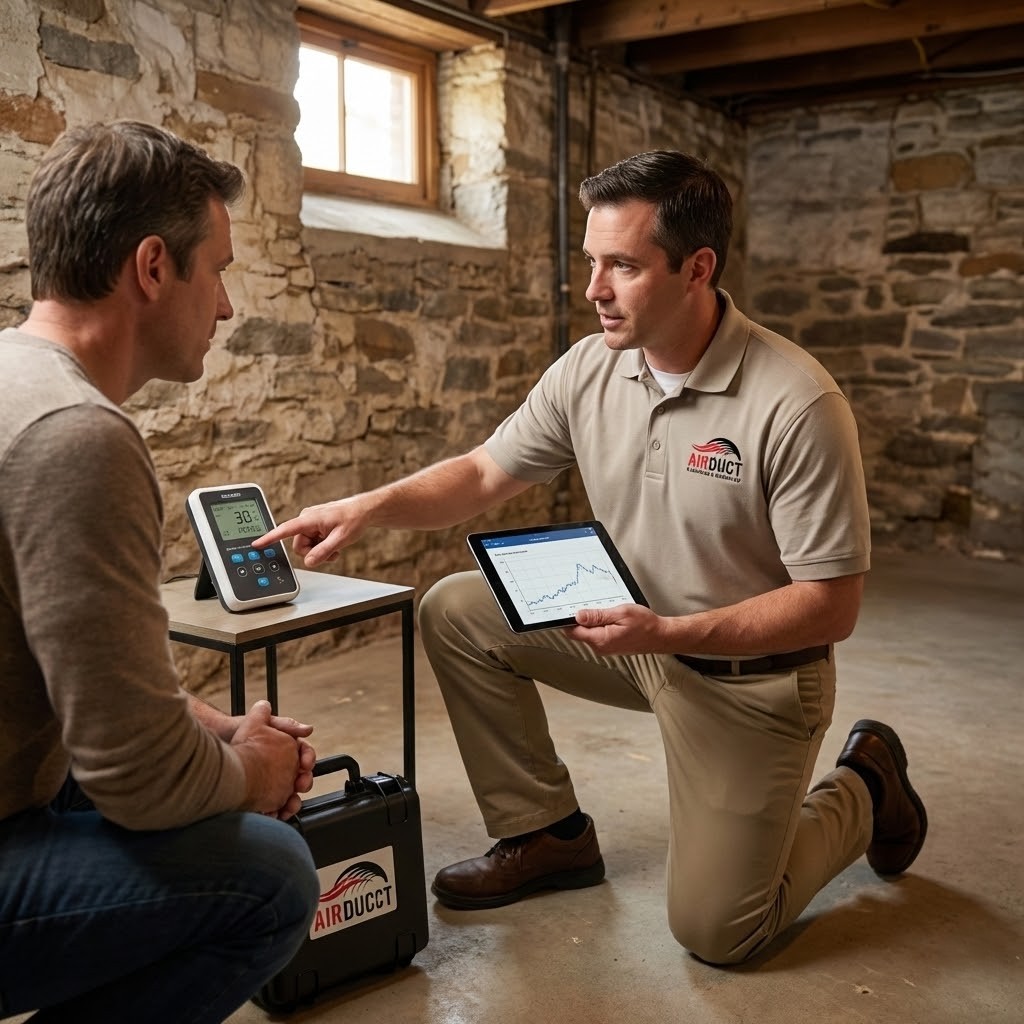
Professional-grade radon monitors are placed where they best reflect everyday breathing conditions—away from drafts, windows, and exterior walls.
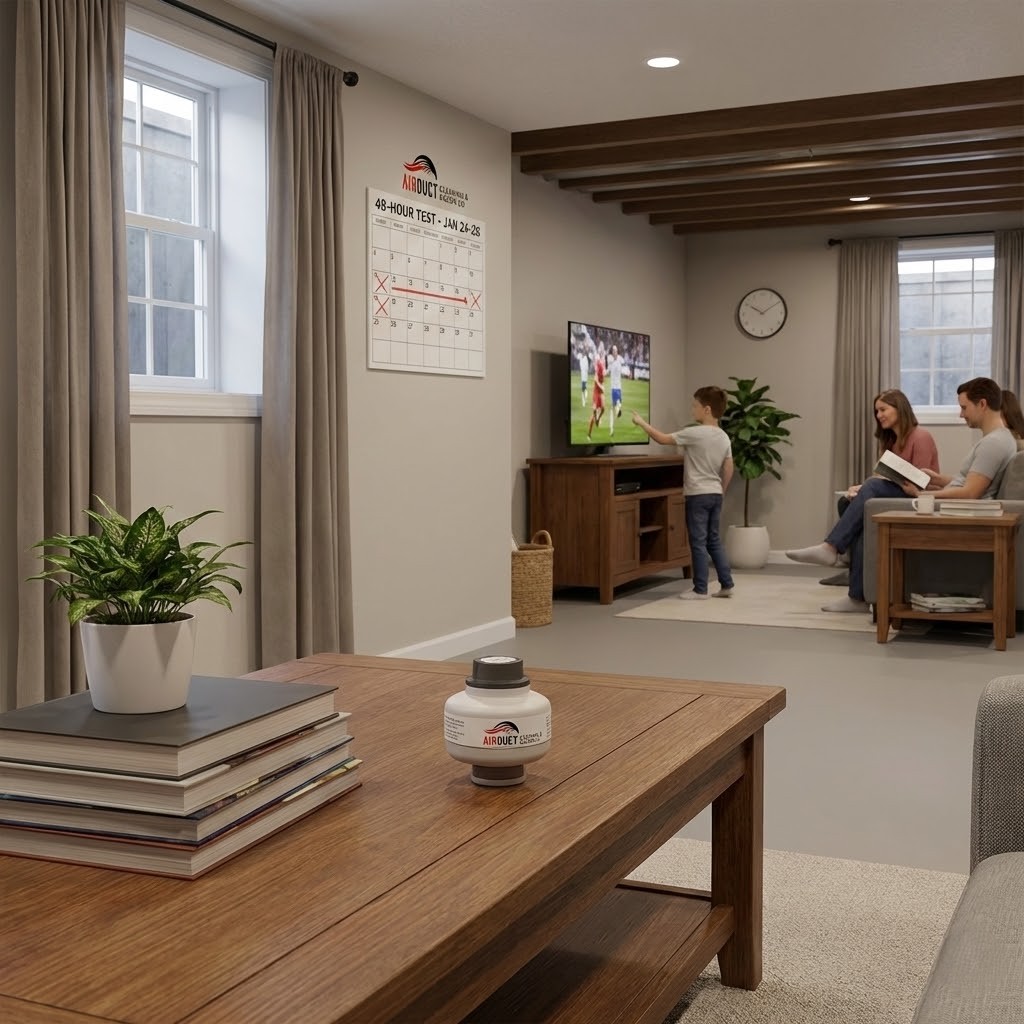
The test typically runs for about 48 hours under closed-house conditions while normal daily routines continue.

Once the test is complete, data is reviewed and documented clearly.
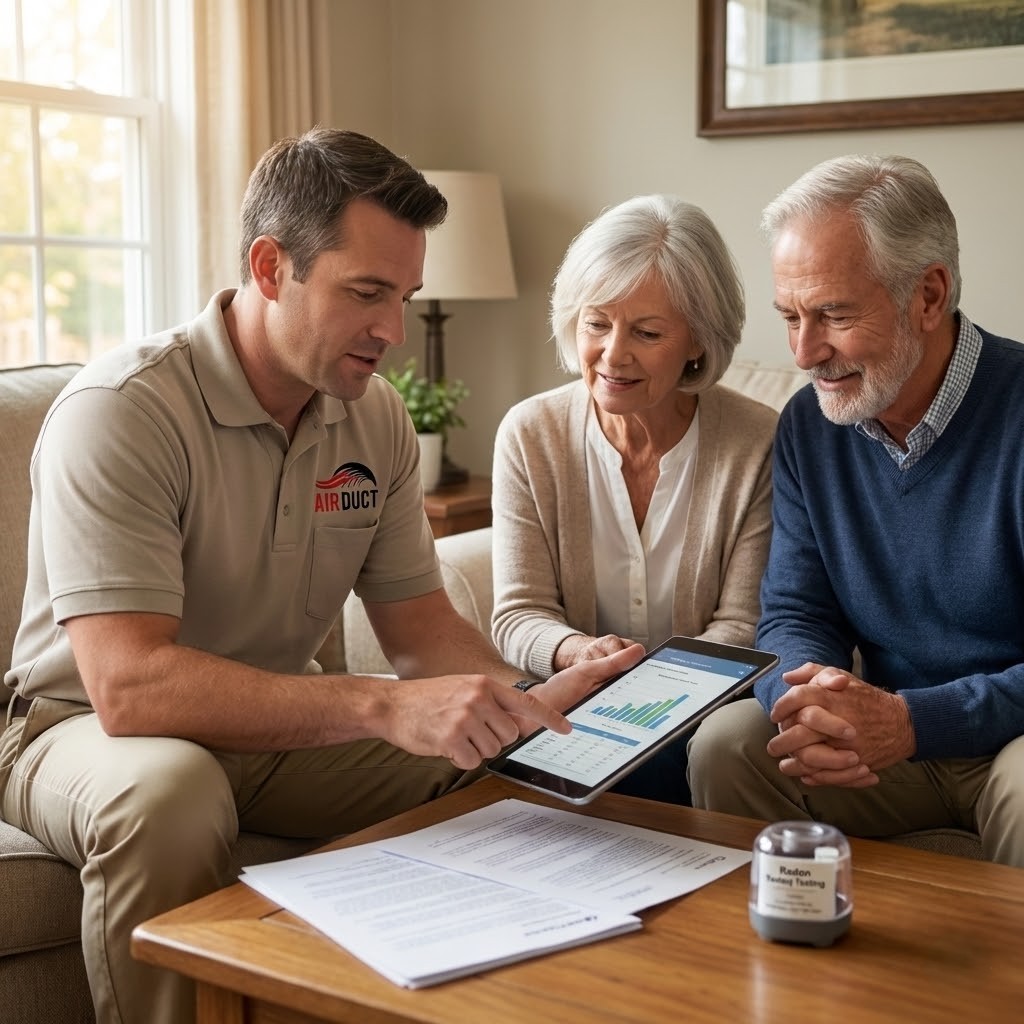
We explain what the results mean and answer questions honestly. If levels are elevated, we calmly discuss next steps—no pressure.
Our approach is educational, not sales-driven.
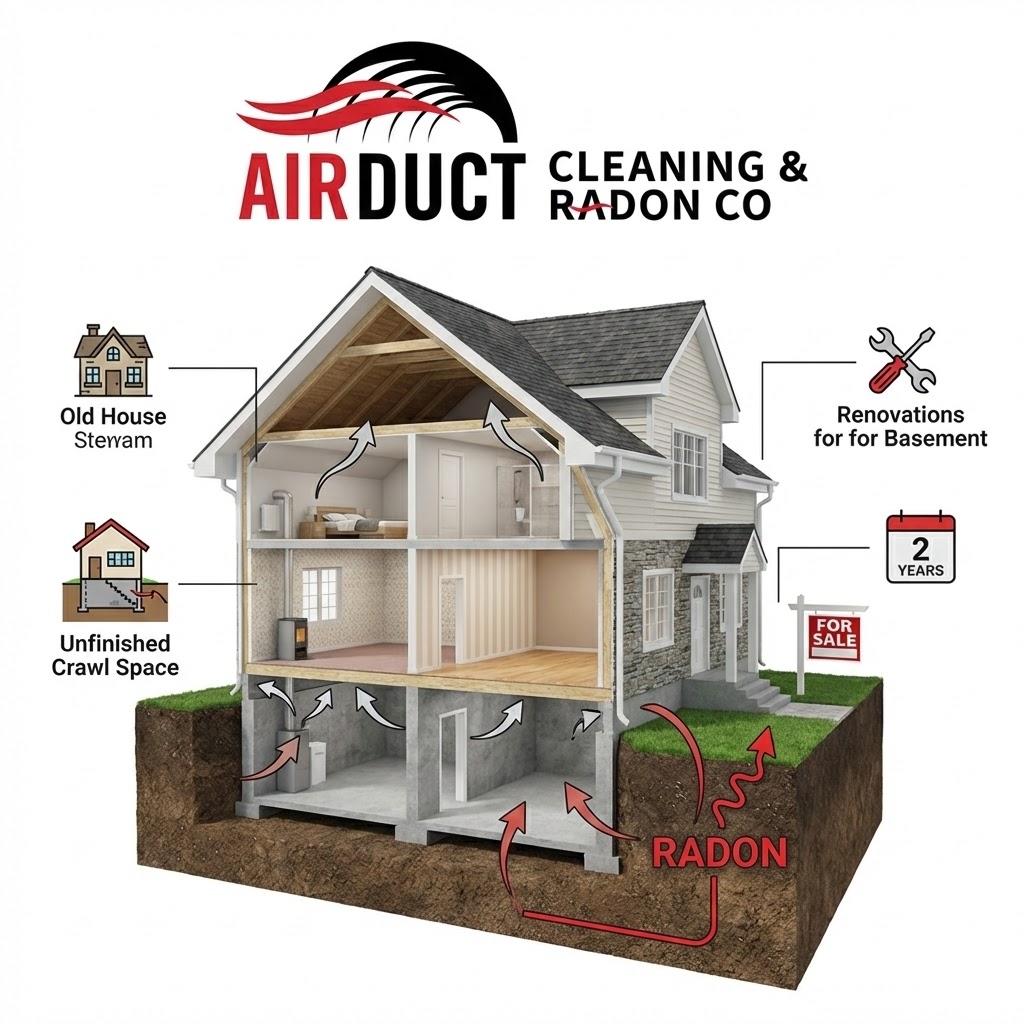
Radon levels can change as homes age and foundations shift.
In addition to Springfield, we serve nearby areas including
Our local coverage allows flexible scheduling and responsive service.
Answer: They can. Older foundations may have small gaps or repairs that allow radon to enter over time. Testing confirms your actual risk.
Answer: Yes. Radon from an unfinished basement can still move into upper living areas of the home.
Answer: Yes. Sealing floors, adding insulation, or changing airflow can increase or decrease radon levels. Testing after renovations is recommended.
Answer: Yes. Normal daily activities are fine. We only ask that windows and exterior doors remain mostly closed during the test period.
Answer: Every 2–3 years, or sooner after renovations, foundation work, or major airflow changes.
Radon testing is a simple step that provides powerful insight into your home’s indoor air. If you want accurate results and honest guidance, our Springfield radon testing professionals are ready to help.

2025 © Air Duct Cleaning & Radon Co. All Rights Reserved. Privacy Policy | Terms & Conditions | Data Usage Policy


