
Service Areas of Airduct Cleaning Co. - Find Us Near You
Delaware, Ohio is growing fast. New neighborhoods, expanding subdivisions, and updated older homes are changing the way people live across the city. While this growth brings comfort and convenience, it can also increase the risk of radon gas becoming trapped inside homes.
Radon is silent, invisible, and easy to overlook—but long-term exposure can be dangerous. Our professional radon testing service in Delaware, Ohio is designed to give homeowners clear, dependable answers without stress or pressure. We focus on accuracy, education, and trust.
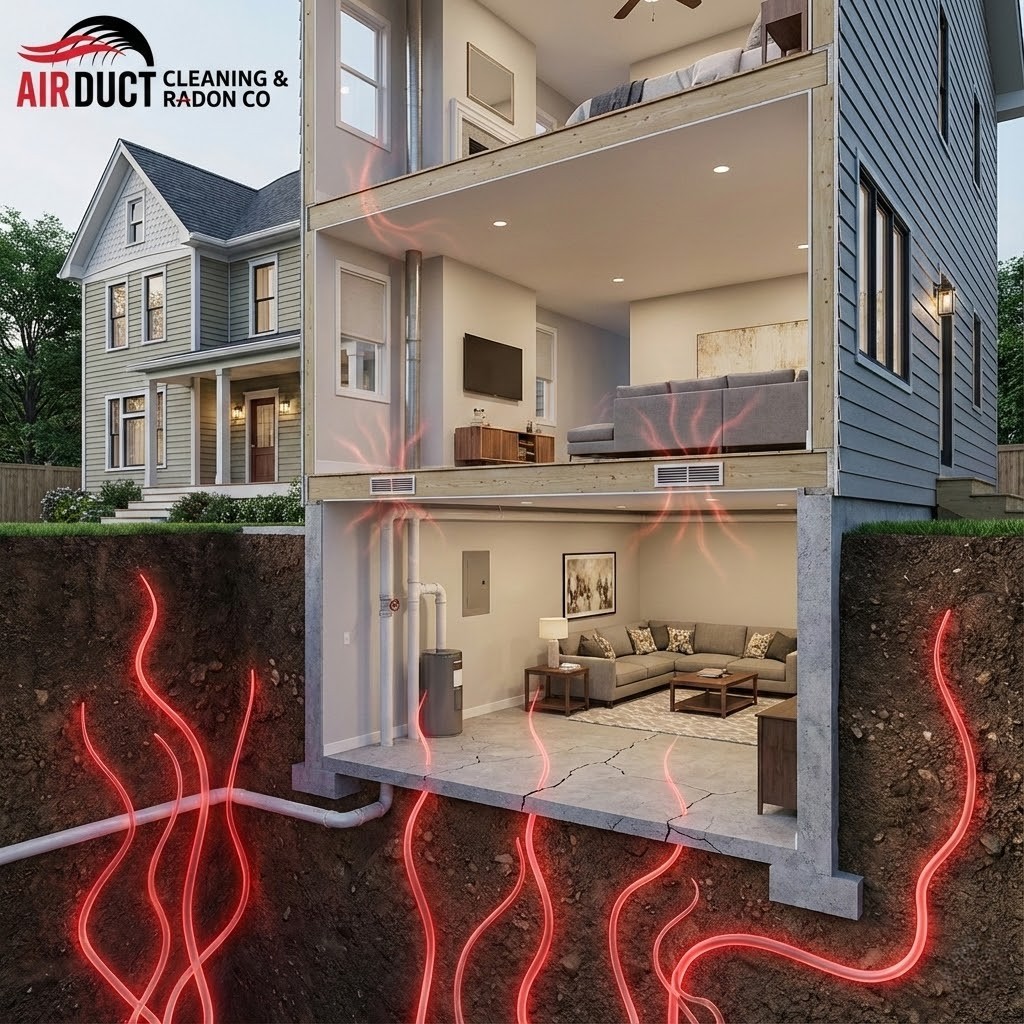
Radon forms naturally underground and moves upward through soil. When it finds openings in a home’s foundation, it can build up indoors—especially in lower levels.
Why Delaware homes face unique radon risks
Delaware’s housing and land patterns create several conditions where radon can become an issue:
Radon doesn’t cause immediate discomfort, so it often goes unnoticed. The health risk comes from breathing elevated levels over many years.
Without testing, there is no way to know if radon is present.
Radon testing gives you clear, factual information about your indoor air. Our Delaware radon testing service focuses on real-world accuracy—not assumptions or guesswork.
All testing is performed following EPA-recommended procedures and Ohio-approved guidelines.

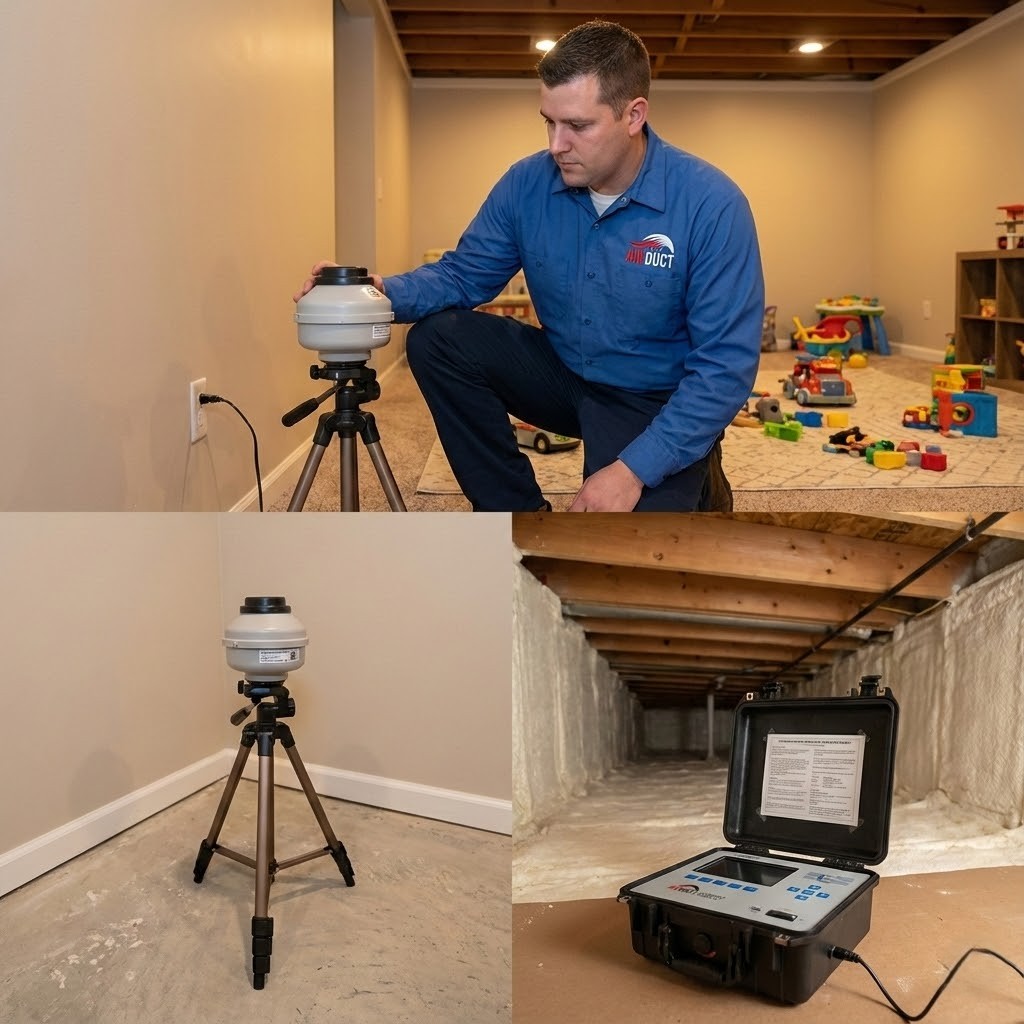
In each case, professional testing removes uncertainty and helps homeowners make informed decisions.
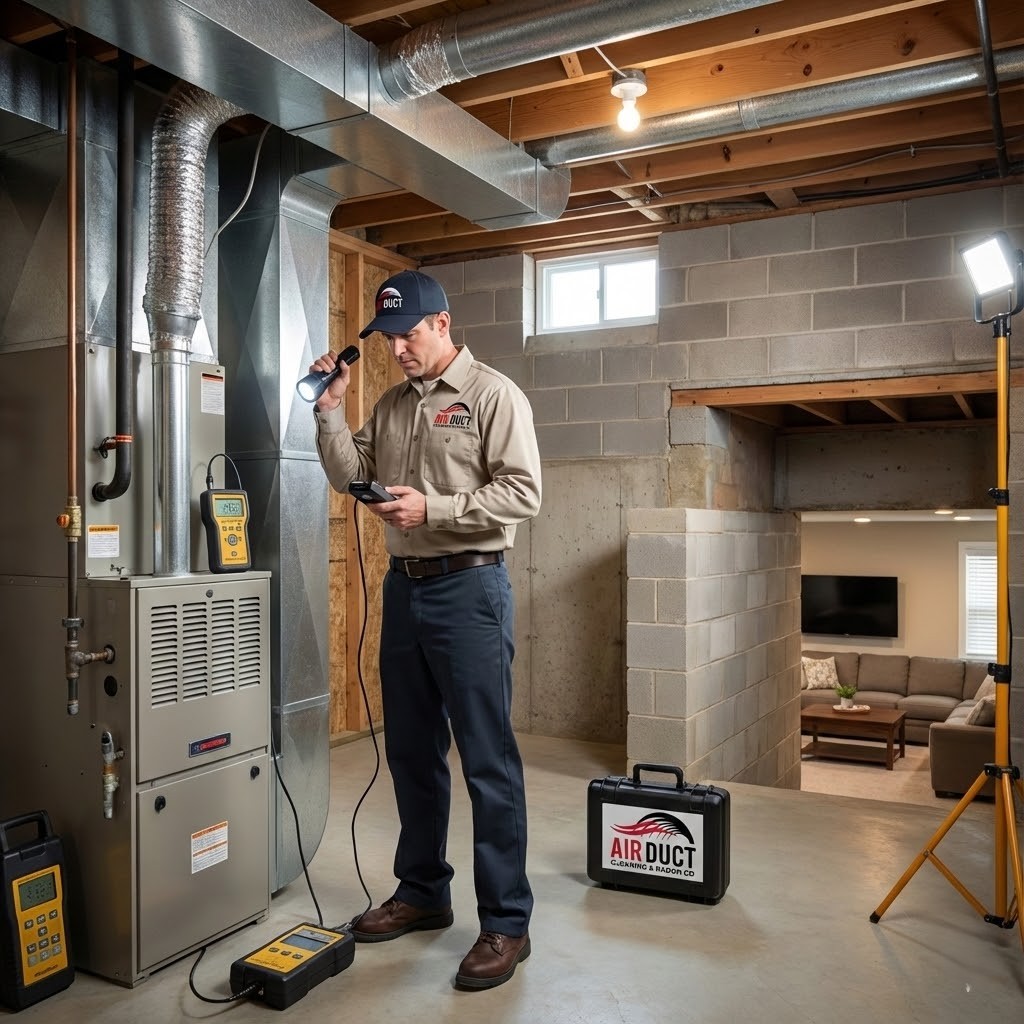
We review your home’s construction type, foundation style, and lowest regularly used level.
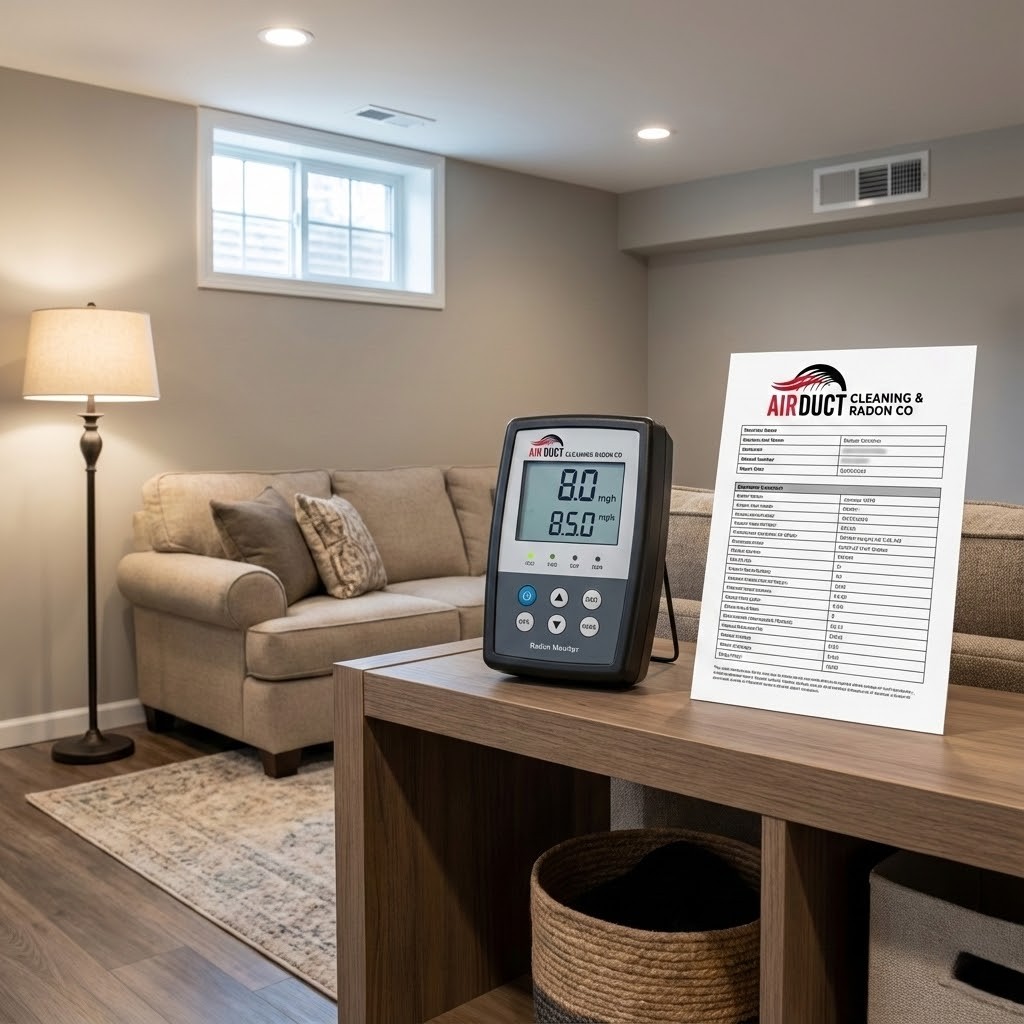
Professional-grade radon monitors are placed in locations that best reflect everyday breathing conditions—away from windows, vents, and exterior walls.

The test typically runs for about 48 hours under normal living conditions, with windows and exterior doors mostly closed.
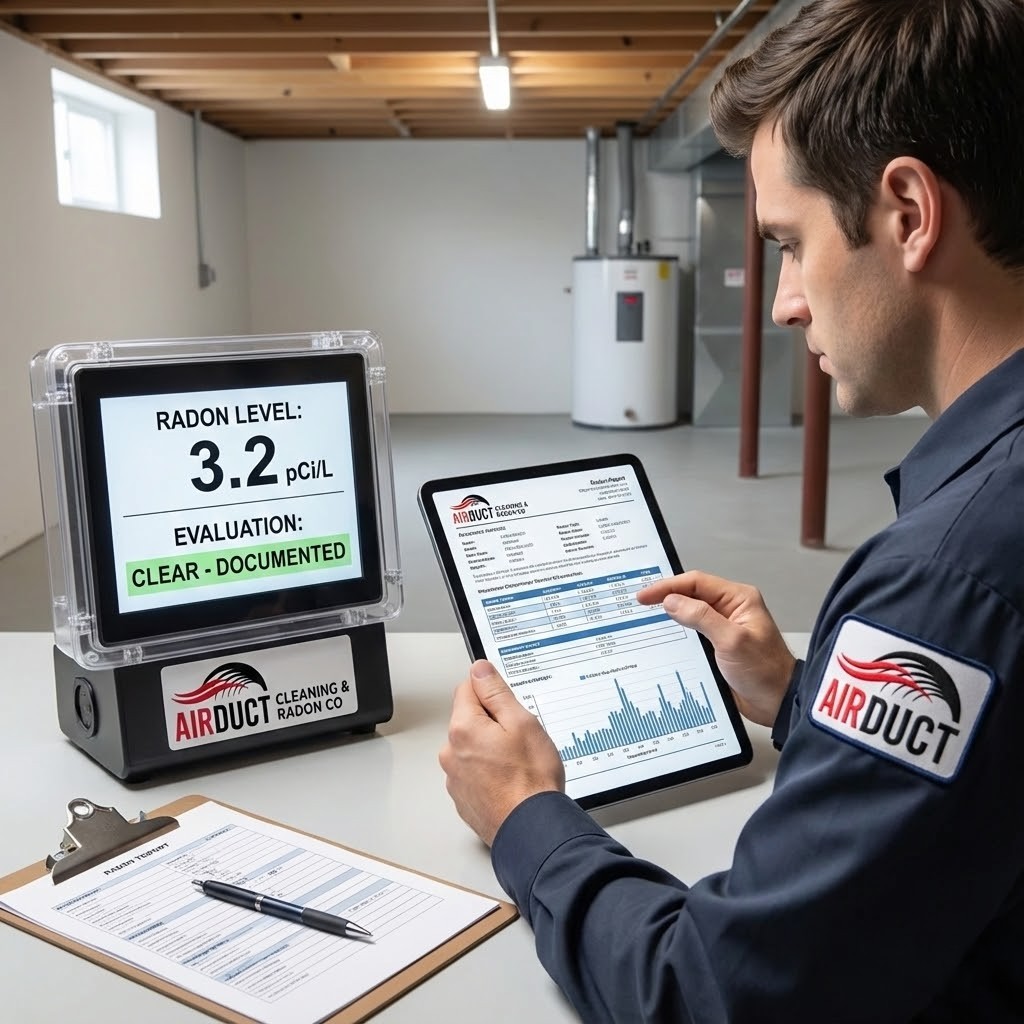
Once the test is complete, results are analyzed and documented clearly.
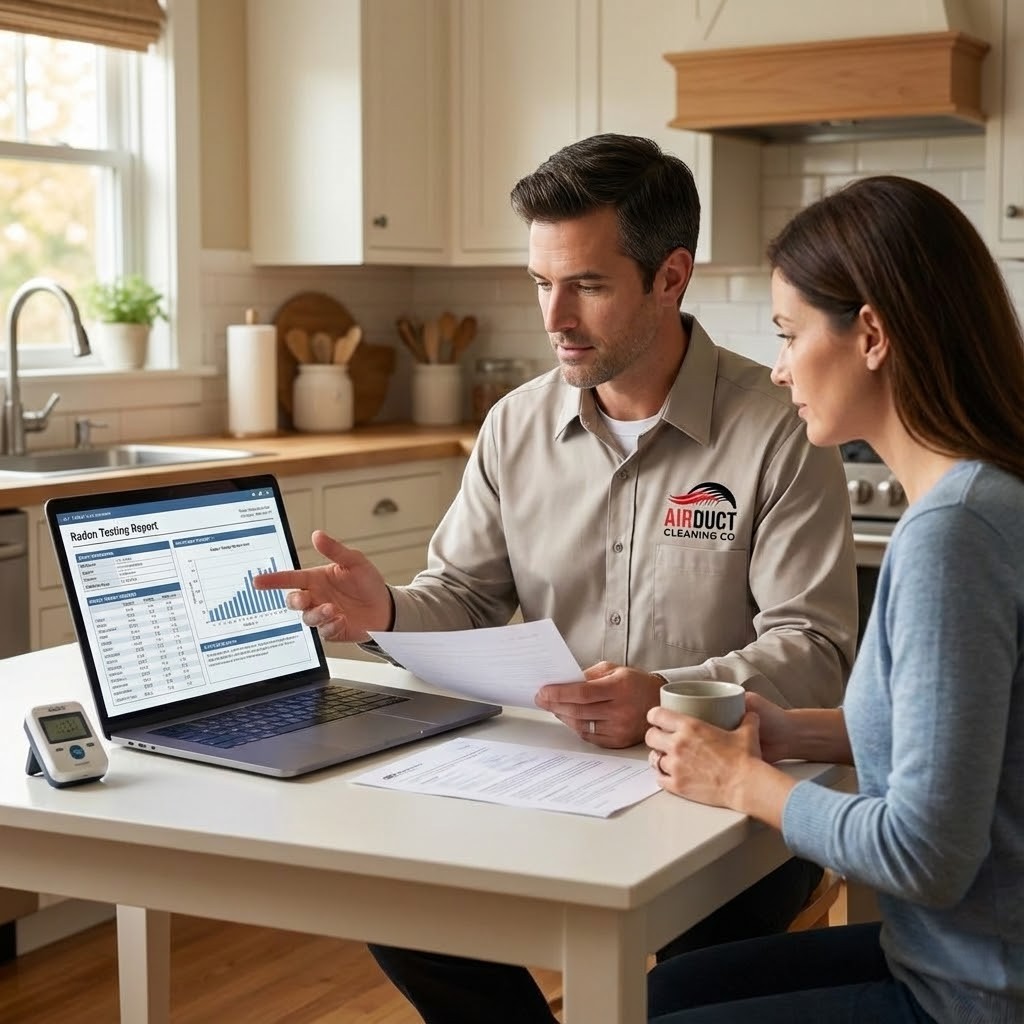
We walk you through the results in simple language and answer questions honestly. If levels are elevated, we explain options calmly—no pressure.
Our approach is educational, not sales-driven.

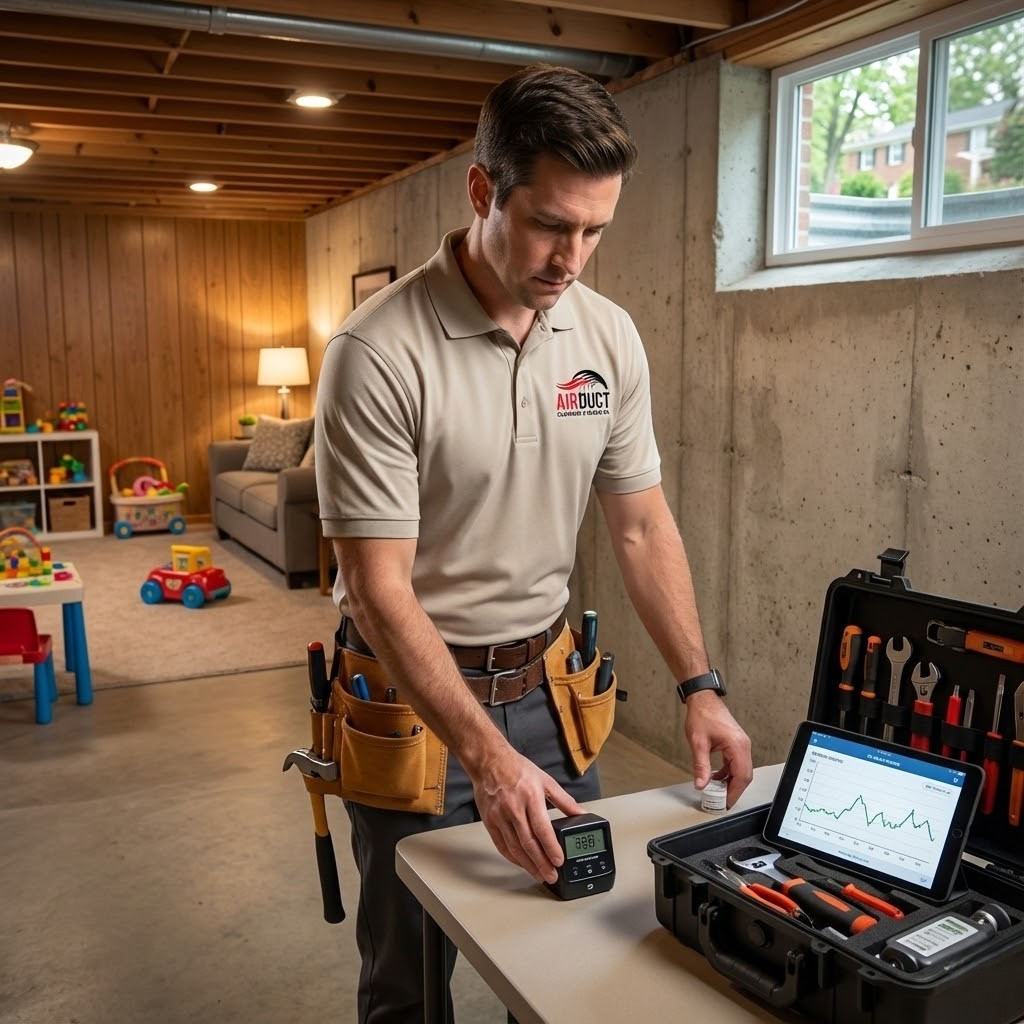
Radon levels can change as homes settle and soil conditions shift.
Along with Delaware, we serve surrounding areas including
Our local coverage allows flexible scheduling and prompt service.
Answer: Yes. New construction does not guarantee low radon levels. In fact, tightly sealed modern homes can trap radon more easily.
Answer: Yes. Crawl spaces can allow radon to enter through exposed soil and foundation gaps. Testing is strongly recommended for these homes.
Answer: No. Buyers, sellers, landlords, and property managers all benefit from radon testing to ensure indoor air safety.
Answer: No. You can live normally during the test. We only ask that windows and exterior doors remain mostly closed during the testing period.
Answer: Every 2–3 years, or after major renovations, basement finishing, or changes to ventilation or insulation.
Radon testing is a simple step that provides powerful insight into your home’s indoor air. If you want accurate results and honest guidance, our Delaware radon testing professionals are ready to help.

2025 © Air Duct Cleaning & Radon Co. All Rights Reserved. Privacy Policy | Terms & Conditions | Data Usage Policy


