
Service Areas of Airduct Cleaning Co. - Find Us Near You
Mansfield blends historic neighborhoods, hillside streets, and homes that range from early-1900s builds to modern renovations. These characteristics shape how air moves inside a house—and how radon gas can enter and linger. Because radon is invisible and odorless, many Mansfield homeowners assume their indoor air is fine when it may not be.
Our radon testing service in Mansfield, Ohio is designed to deliver accurate results and plain-English explanations. We help you understand your home’s air without alarms, pressure, or confusing reports—just clear facts you can trust.
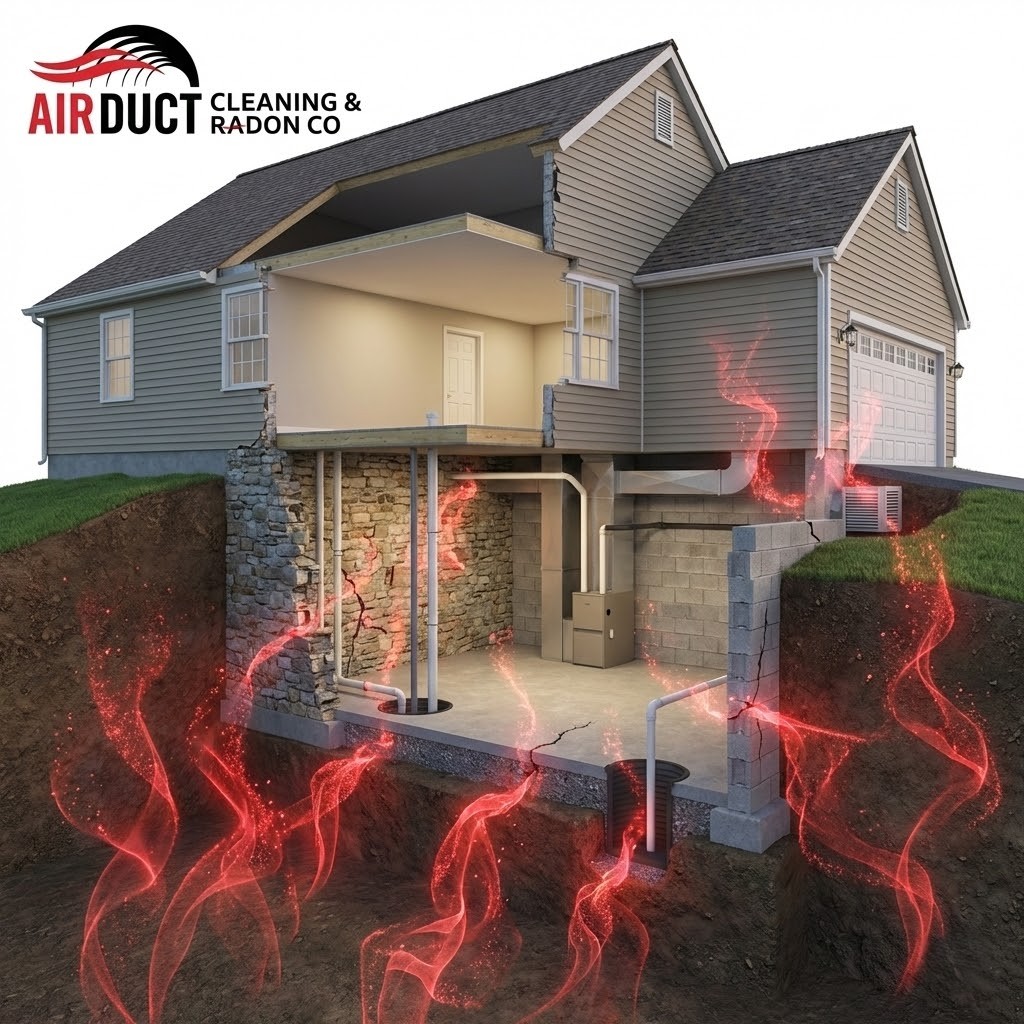
Radon is produced naturally underground. As it rises, it looks for paths into buildings—often through places homeowners rarely notice.
Mansfield-specific factors that influence radon entry
Radon doesn’t cause short-term symptoms. The risk comes from breathing elevated levels over many years, which research has linked to lung cancer. Since there are no warning signs, testing is the only reliable way to know your level.
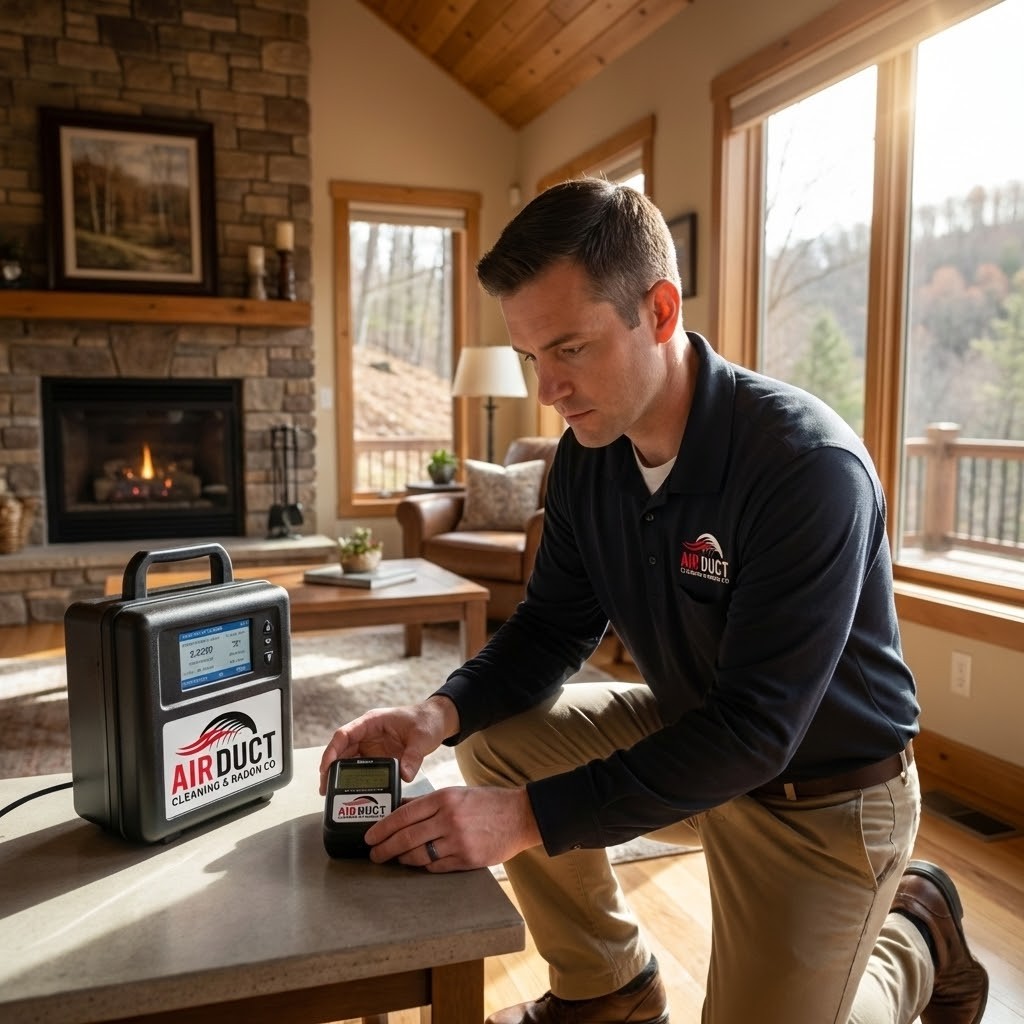
Professional testing replaces guesswork with measurable data. Our Mansfield radon testing service focuses on how homes are actually used—capturing realistic exposure levels where people spend time.
All testing follows EPA-recommended practices and Ohio-approved standards.
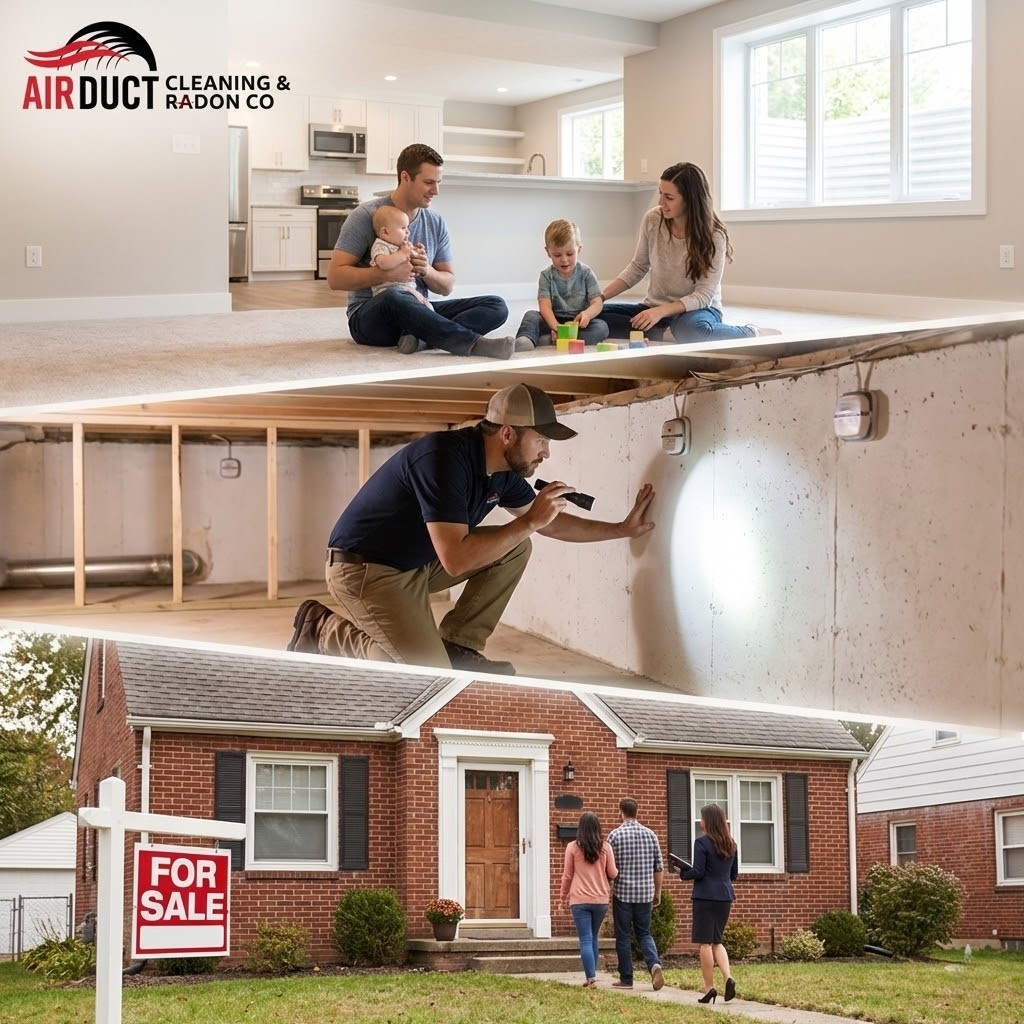
Each scenario is different. Testing brings clarity.
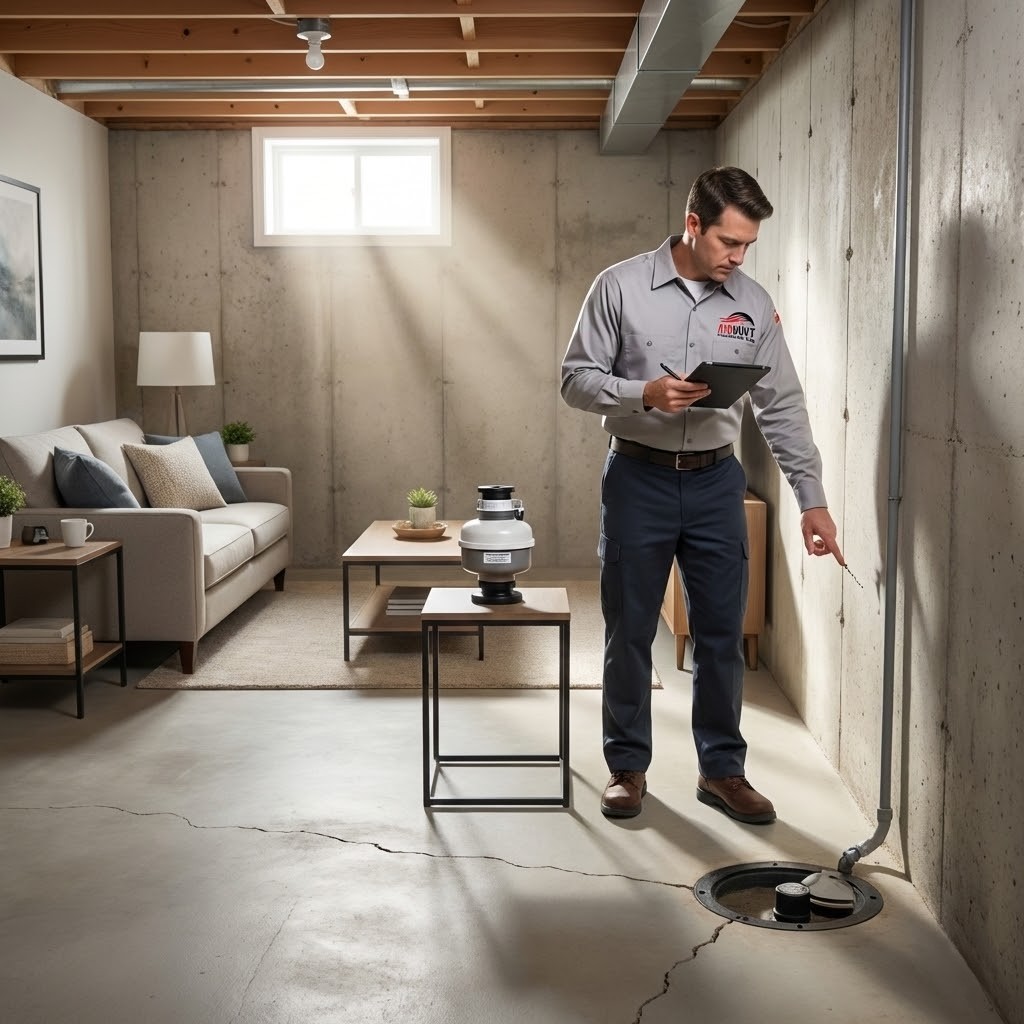
We note foundation types, air pathways, and the lowest regularly used area.
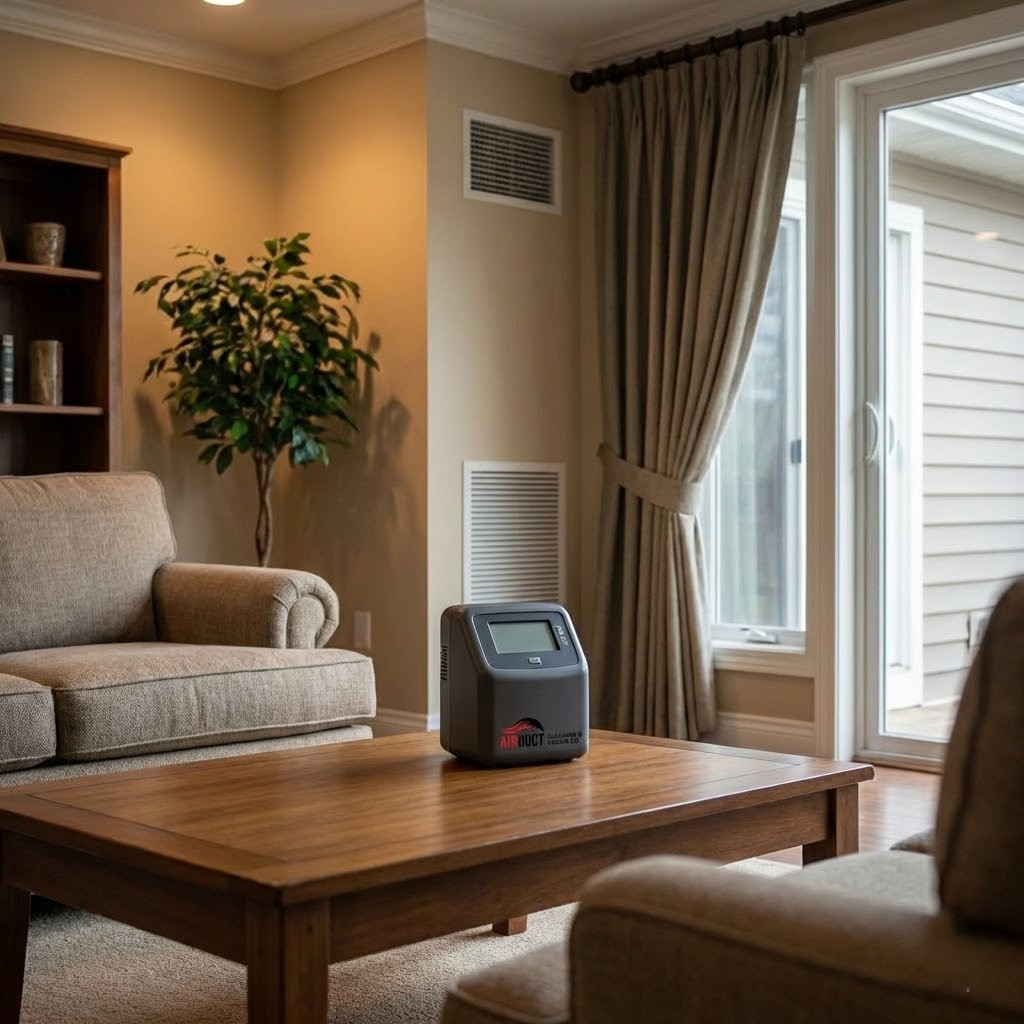
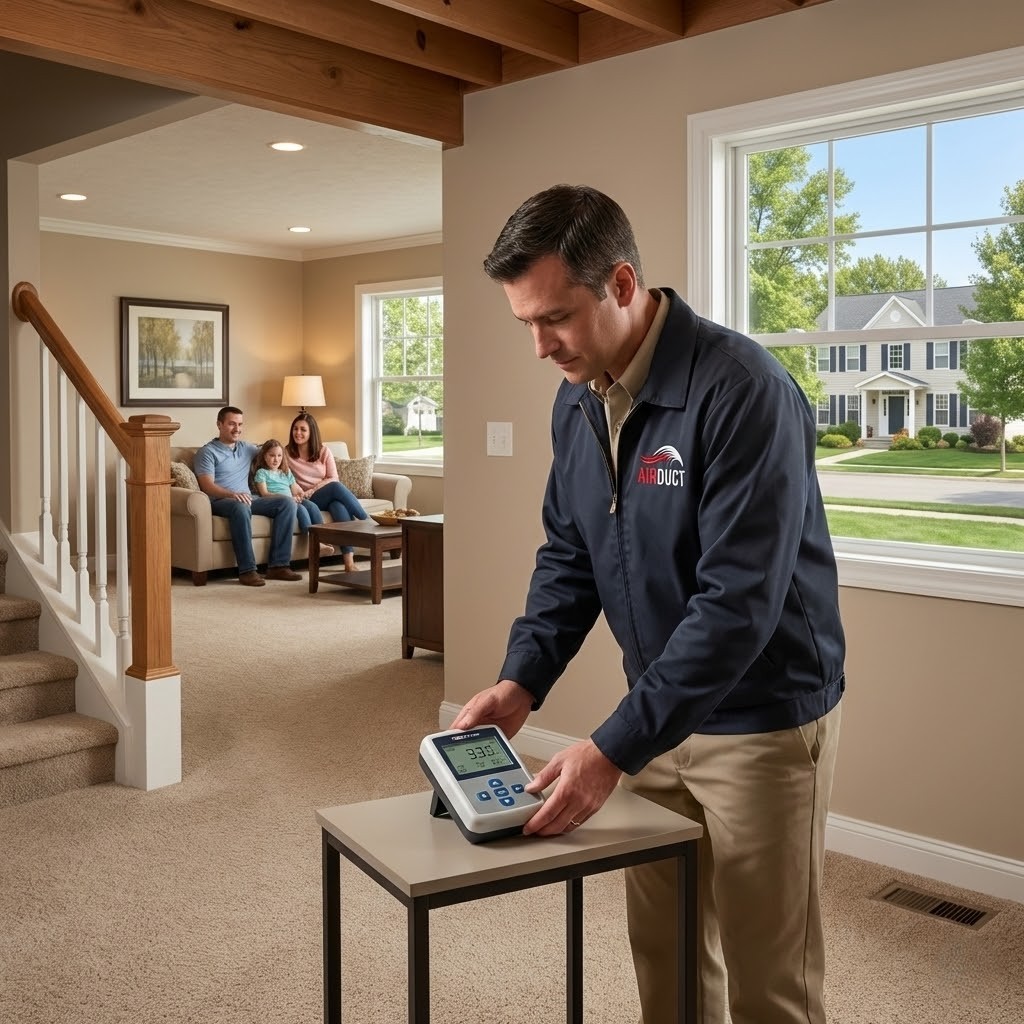
Professional radon monitors are placed away from drafts, windows, and exterior walls to avoid skewed readings.
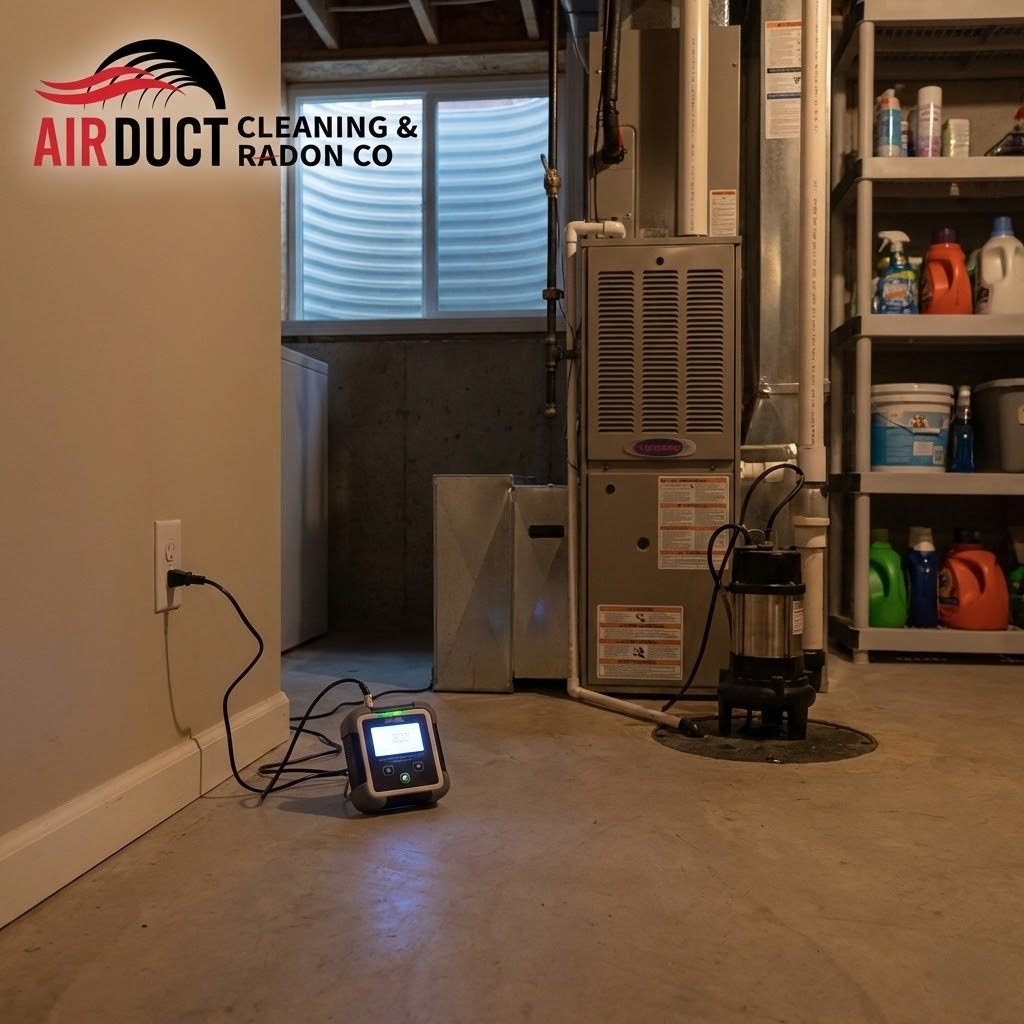
The test typically runs for about 48 hours under closed-house conditions while normal routines continue.
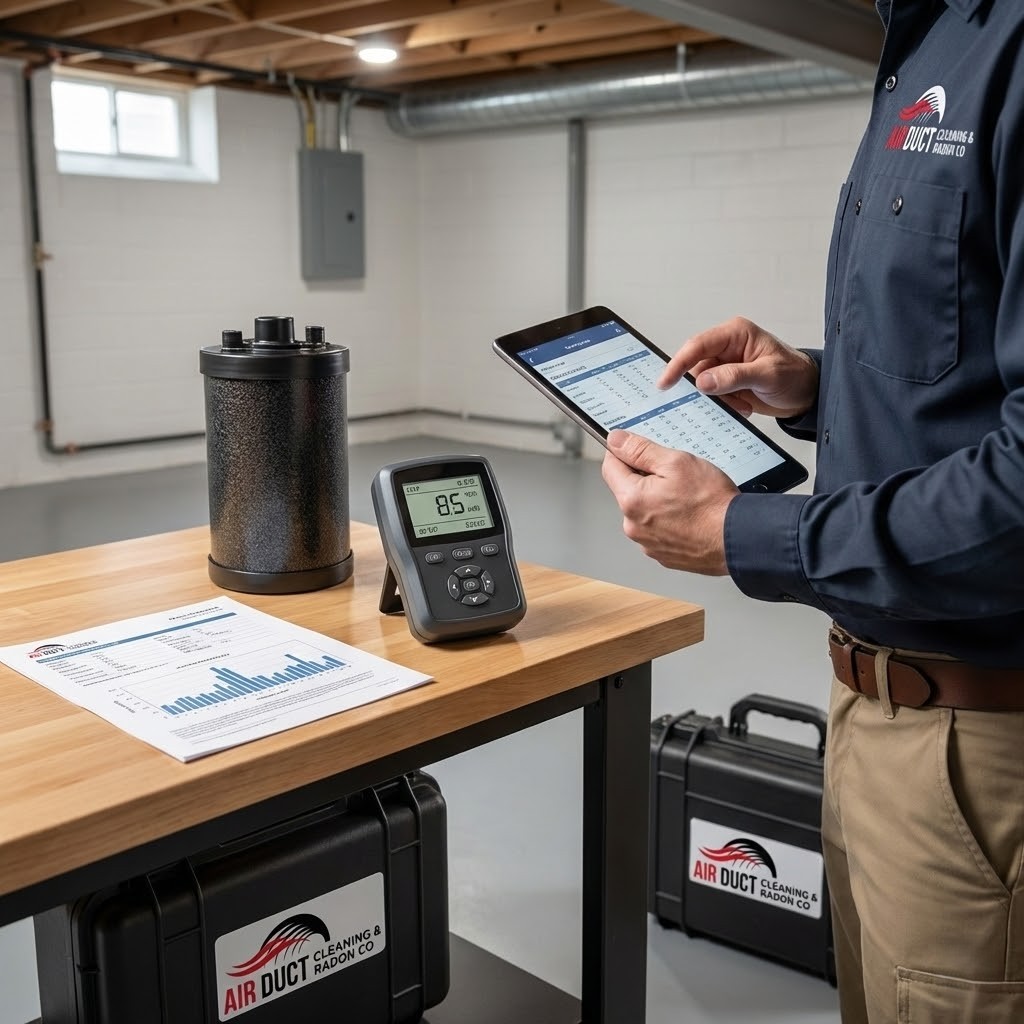
After the test, data is analyzed and documented in a clear report.
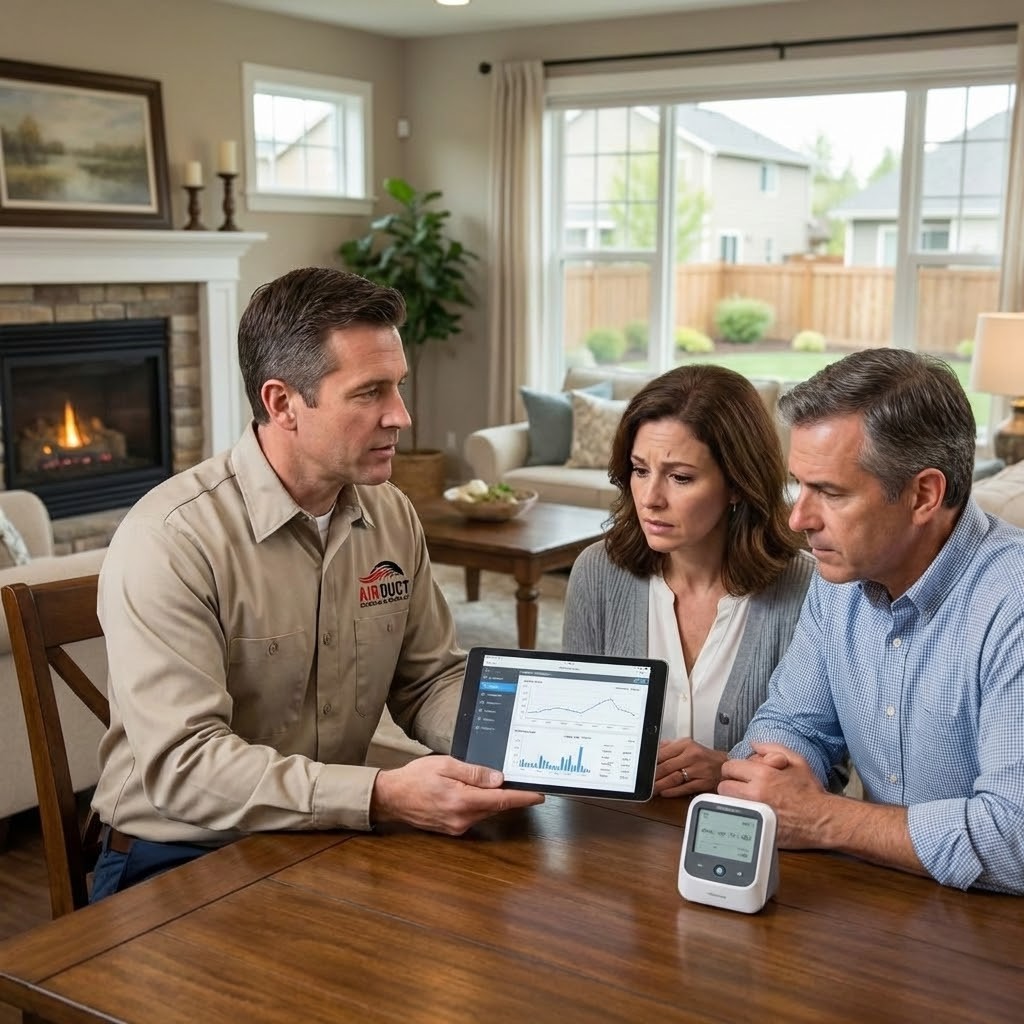
We explain the numbers in simple terms. If levels are elevated, we discuss options calmly—no pressure.
Our goal is education and safety—not selling.
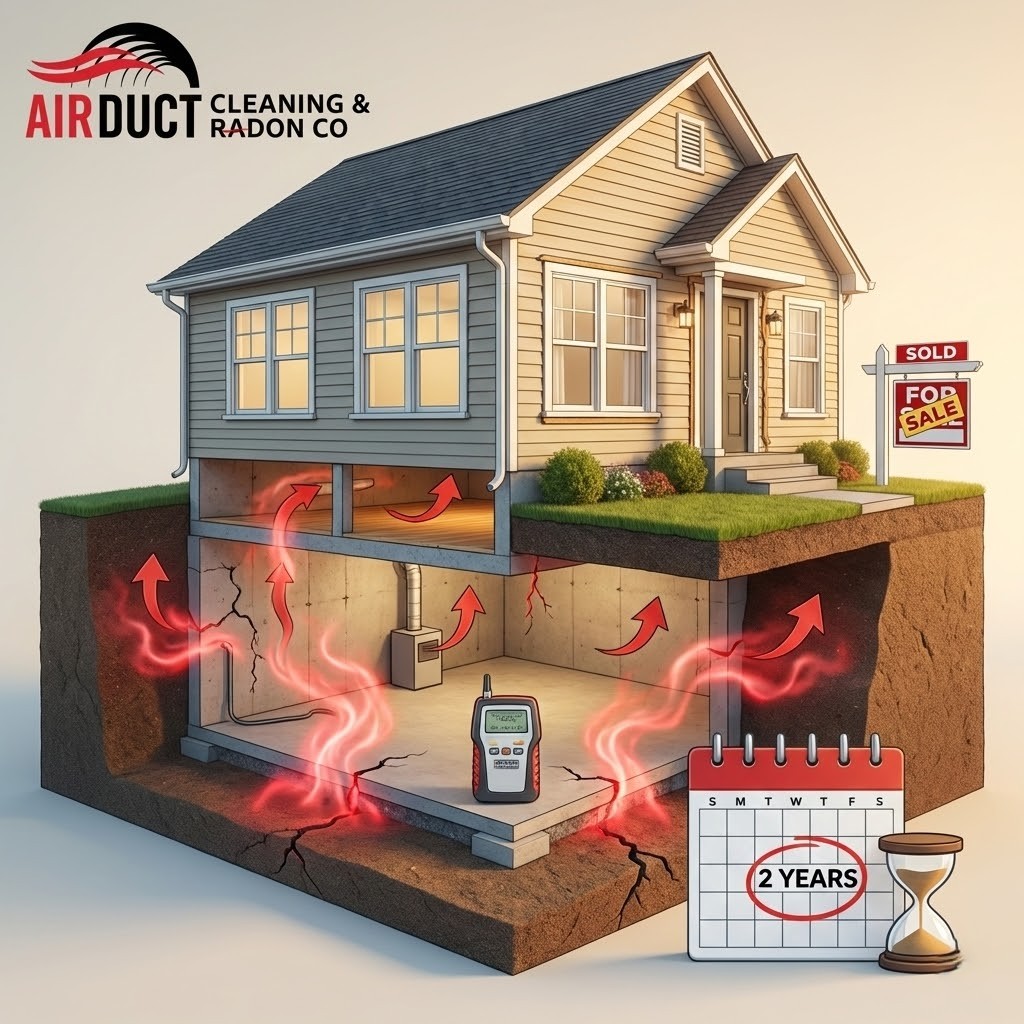
Radon levels can change as homes age and soil conditions shift.
We serve Mansfield and surrounding areas including
Local coverage means flexible scheduling and dependable service.
Answer: They can. Elevation changes and pressure differences may draw soil gas into lower levels more easily. Testing confirms your actual level.
Answer: Yes. Homes with both basements and crawl spaces can have multiple entry points. Professional placement ensures accurate readings.
Answer: Yes. Air moves between levels. Radon in a basement can affect the rest of the home.
Answer: Normal operation is fine. We account for typical airflow to reflect real living conditions.
Answer: Every 2–3 years, or sooner after renovations, foundation repairs, or major efficiency upgrades.
Radon testing is a straightforward step that delivers powerful insight into your home’s air. If you want accurate results and clear guidance from local professionals, our Mansfield radon testing team is ready to help.

2025 © Air Duct Cleaning & Radon Co. All Rights Reserved. Privacy Policy | Terms & Conditions | Data Usage Policy


