
Service Areas of Airduct Cleaning Co. - Find Us Near You
Columbus is one of the fastest-growing cities in Ohio. New construction, expanding suburbs, renovated older homes, and mixed-use properties are everywhere. What many homeowners and property managers don’t realize is that growth and construction changes can directly affect radon levels inside buildings.
Our radon testing service in Columbus, Ohio is designed for clarity and confidence. We provide accurate testing, calm explanations, and honest guidance—so you know exactly where your home stands without confusion or pressure.

Radon is produced naturally underground and moves upward through soil. Once it finds openings in a structure, it can accumulate indoors. In a city like Columbus, radon risks vary widely depending on construction type and land use.
Columbus-specific factors that increase radon risk
Because radon has no smell or visible signs, homeowners often assume their indoor air is safe when it may not be.
Professional radon testing gives you factual information about what you and your family are breathing every day. Our Columbus radon testing service focuses on accuracy, proper placement, and realistic testing conditions.
All testing is performed using EPA-recommended procedures and Ohio-approved standards.


Each property is different, which is why professional testing is essential.
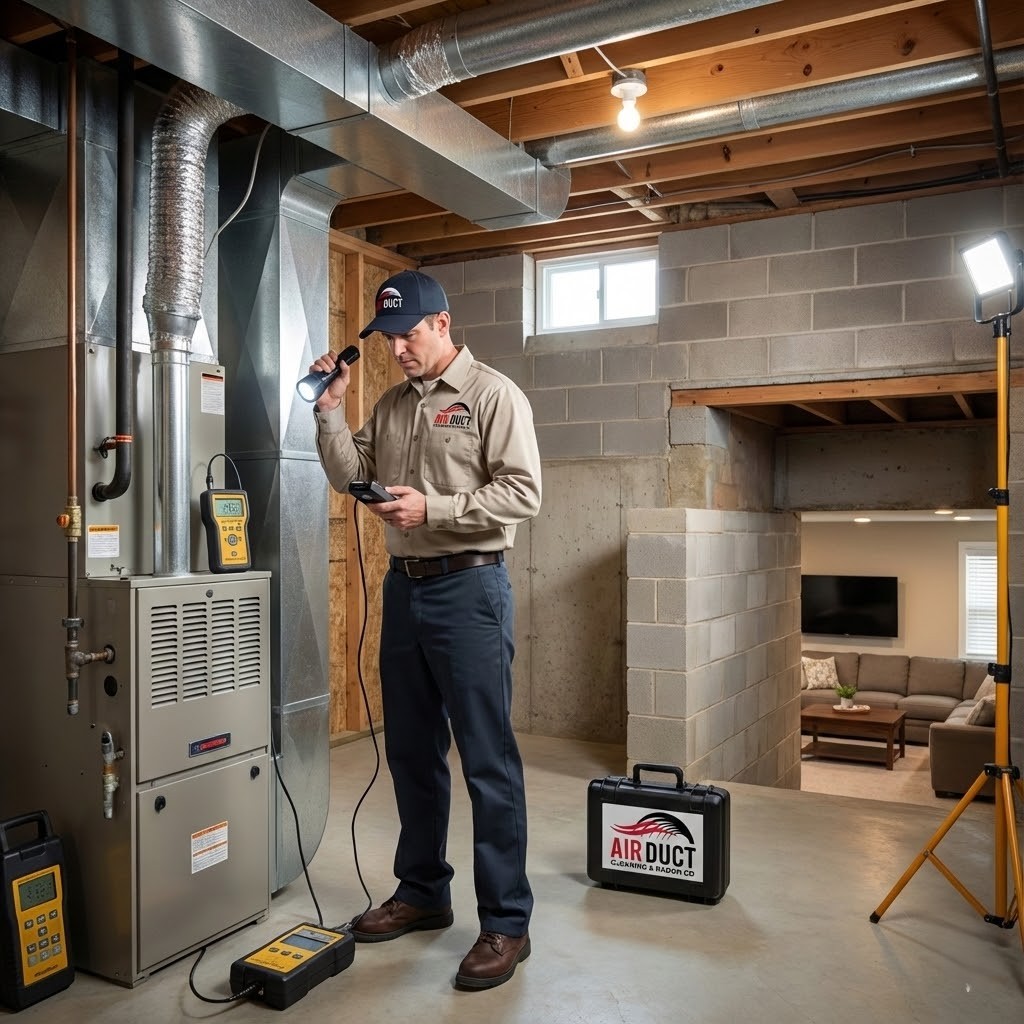
We evaluate the building type, foundation style, airflow patterns, and the lowest regularly used area.
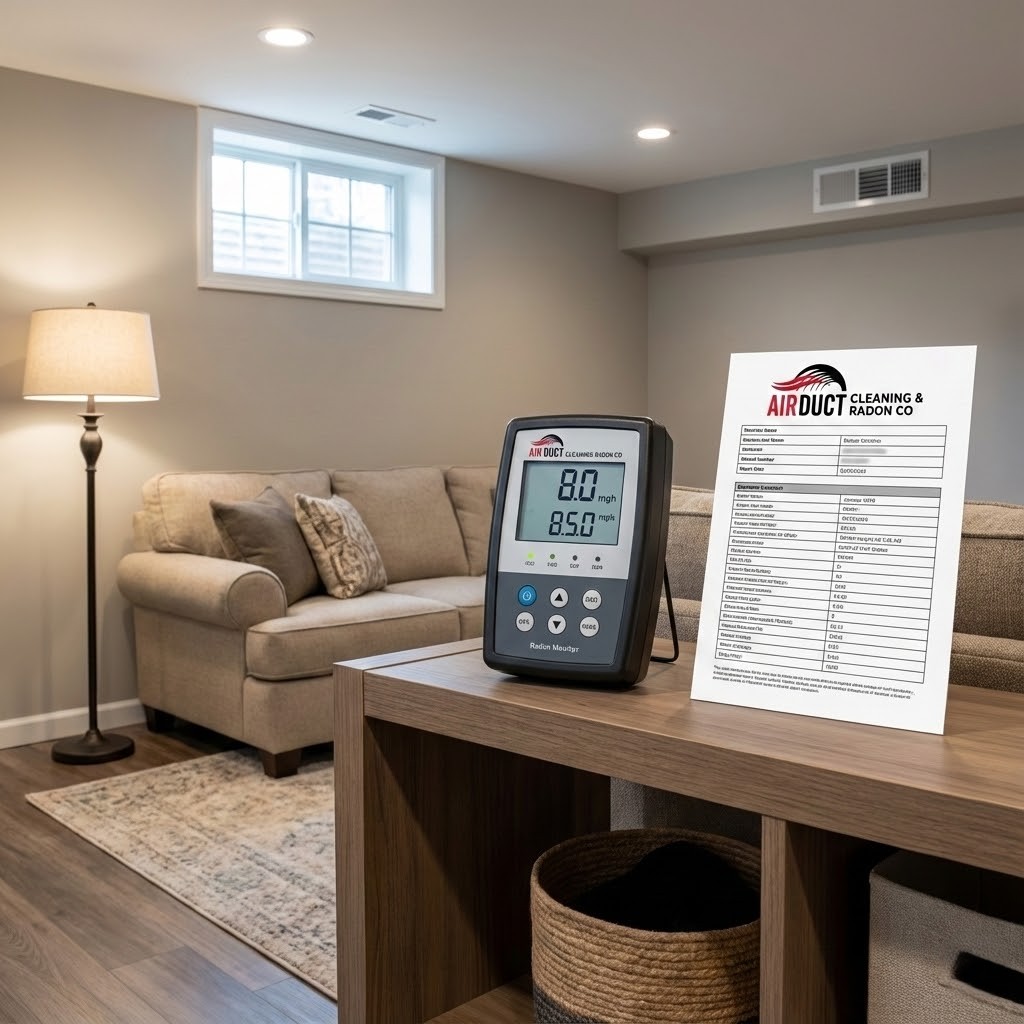
Professional radon monitors are positioned to capture realistic exposure levels—never near vents, windows, or exterior walls.
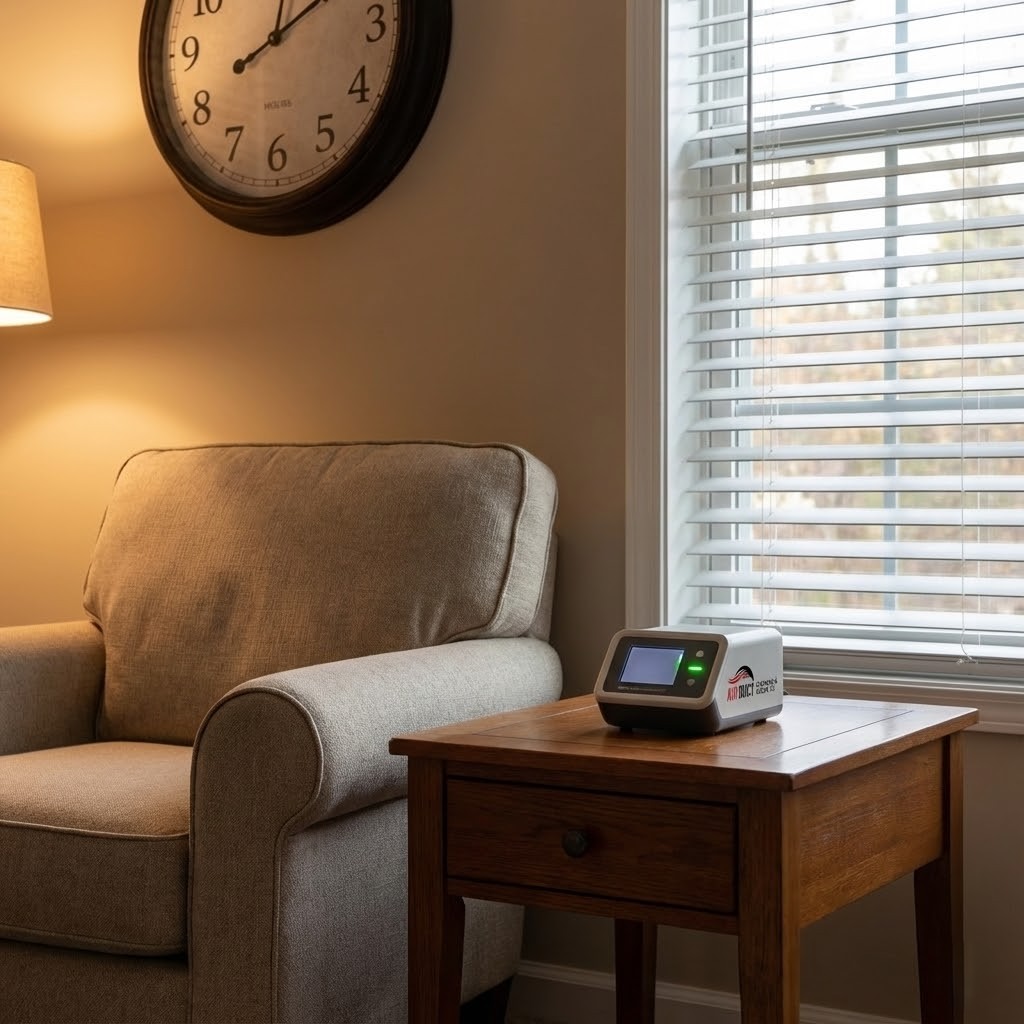
The test typically runs for about 48 hours under closed-house conditions while you continue normal daily routines.
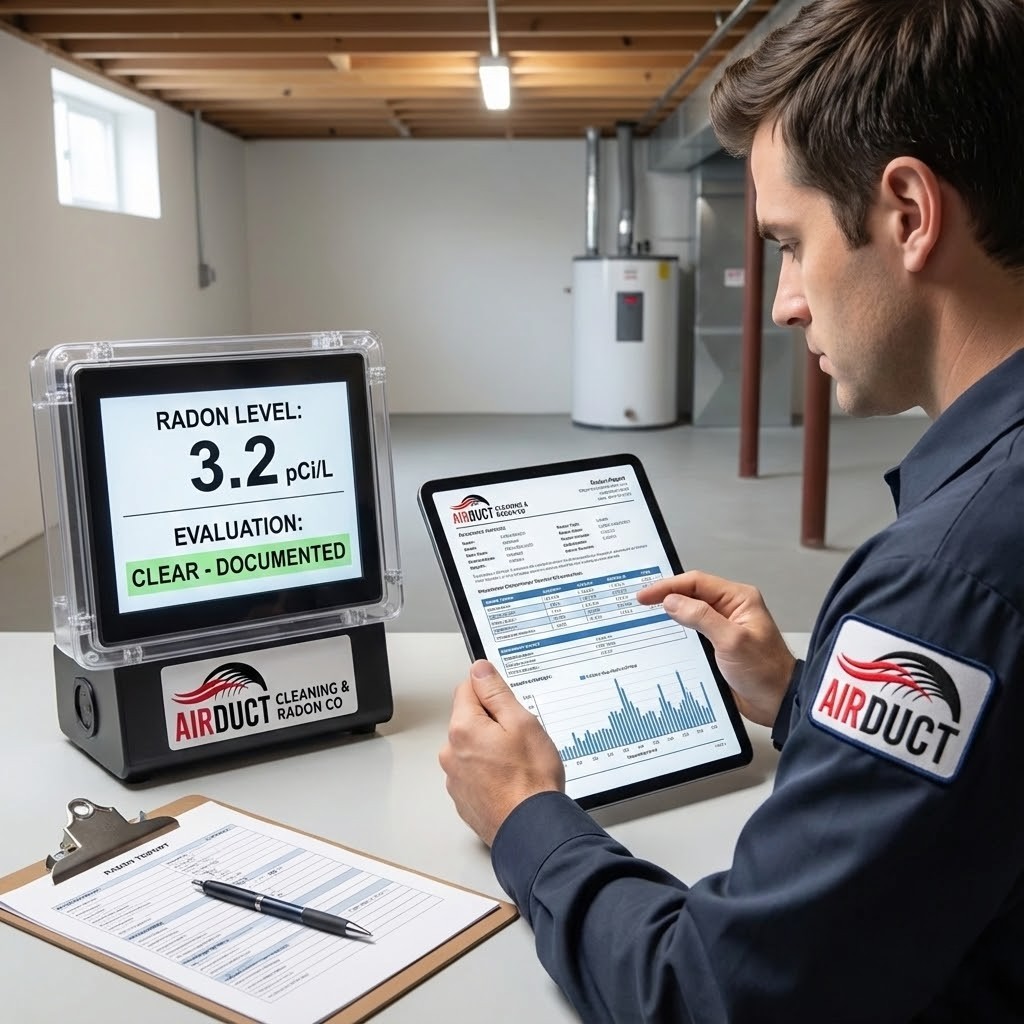
After the test concludes, results are analyzed and documented clearly.

We review the findings with you and explain what they mean. If levels are elevated, we discuss next steps calmly and transparently.
We believe trust comes from accuracy and transparency.


Radon levels can change as homes and surrounding soil change.
We provide radon testing throughout Columbus and nearby areas including
Our local coverage ensures flexible scheduling and responsive service.
Answer: Yes. Slab homes can still allow radon to enter through small cracks, control joints, and plumbing penetrations. Testing is just as important as it is for basement homes.
Answer: Finished basements can trap radon gas, especially if ventilation is limited. Testing should always be done before and after finishing lower levels.
Answer: Finished basements can trap radon gas, especially if ventilation is limited. Testing should always be done before and after finishing lower levels.
Answer: Normal daily activities are fine. We only ask that windows and exterior doors remain mostly closed during the testing period to maintain accuracy.
Answer: Every 2–3 years, or sooner if renovations, foundation changes, or energy upgrades have been made.
Radon testing is a simple step that delivers valuable insight into your home’s indoor air. If you want accurate results and clear guidance from local professionals, our Columbus radon testing team is ready to help.

2025 © Air Duct Cleaning & Radon Co. All Rights Reserved. Privacy Policy | Terms & Conditions | Data Usage Policy


