
Service Areas of Airduct Cleaning Co. - Find Us Near You
Lima is surrounded by open land, agricultural soil, and long-established neighborhoods. Many homes here were built decades ago, while others sit on land that has been reshaped over time. What most homeowners don’t realize is that these conditions can allow radon gas to rise from the ground and quietly collect inside homes.
Radon gives no warning signs. There’s no smell, no color, and no immediate symptoms. Our radon testing service in Lima, Ohio is focused on uncovering what can’t be seen and explaining it clearly—so you can protect your home and the people who live in it with confidence.
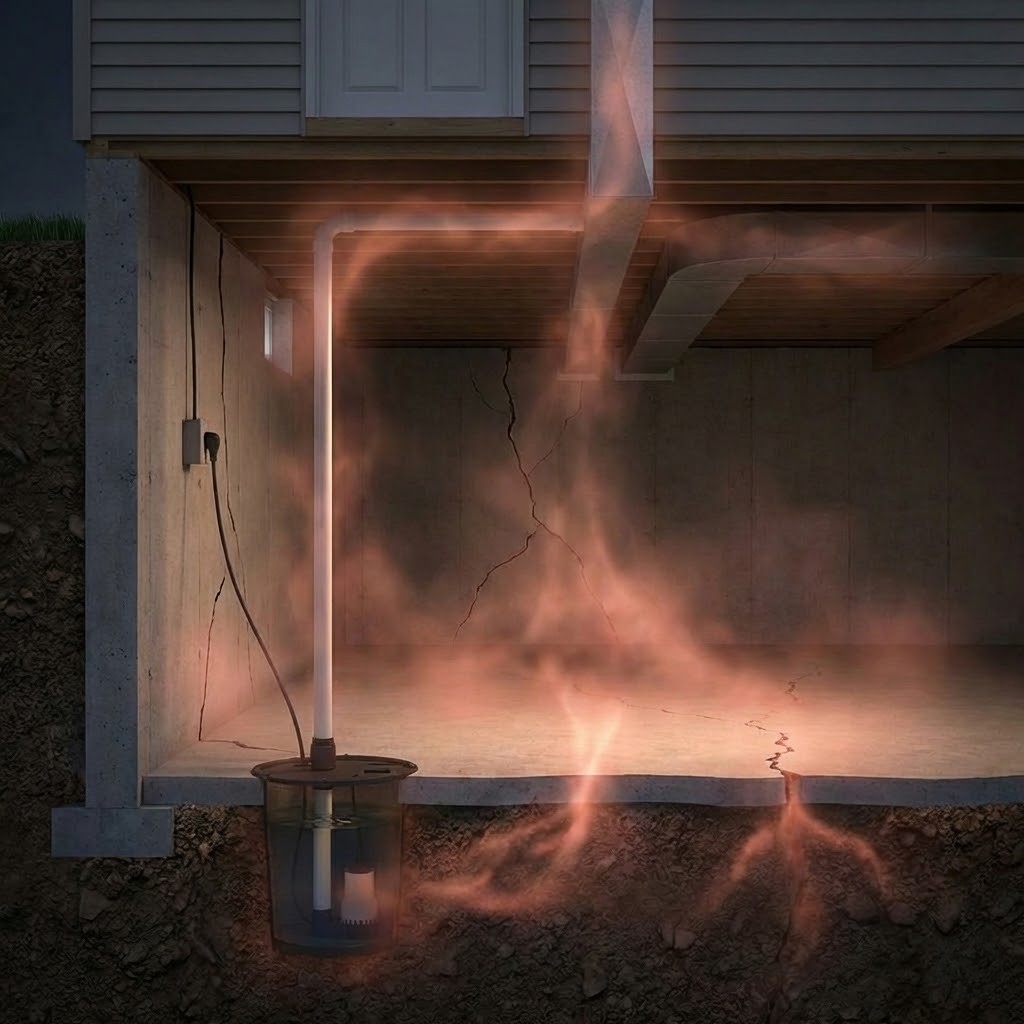
Radon forms naturally underground and moves upward through soil. When it reaches the surface, it looks for the easiest path into buildings. In Lima, several local characteristics can influence how radon behaves.
Local factors that affect radon levels in Lima
Radon doesn’t cause short-term discomfort. The concern comes from breathing elevated levels over many years, which health studies have linked to lung cancer in both smokers and non-smokers.
Without testing, radon remains completely undetected.
Professional radon testing gives you accurate information about your indoor air. Our Lima radon testing service is designed to reflect real living conditions—not ideal or misleading ones.
All testing follows EPA-recommended procedures and Ohio-approved testing standards.
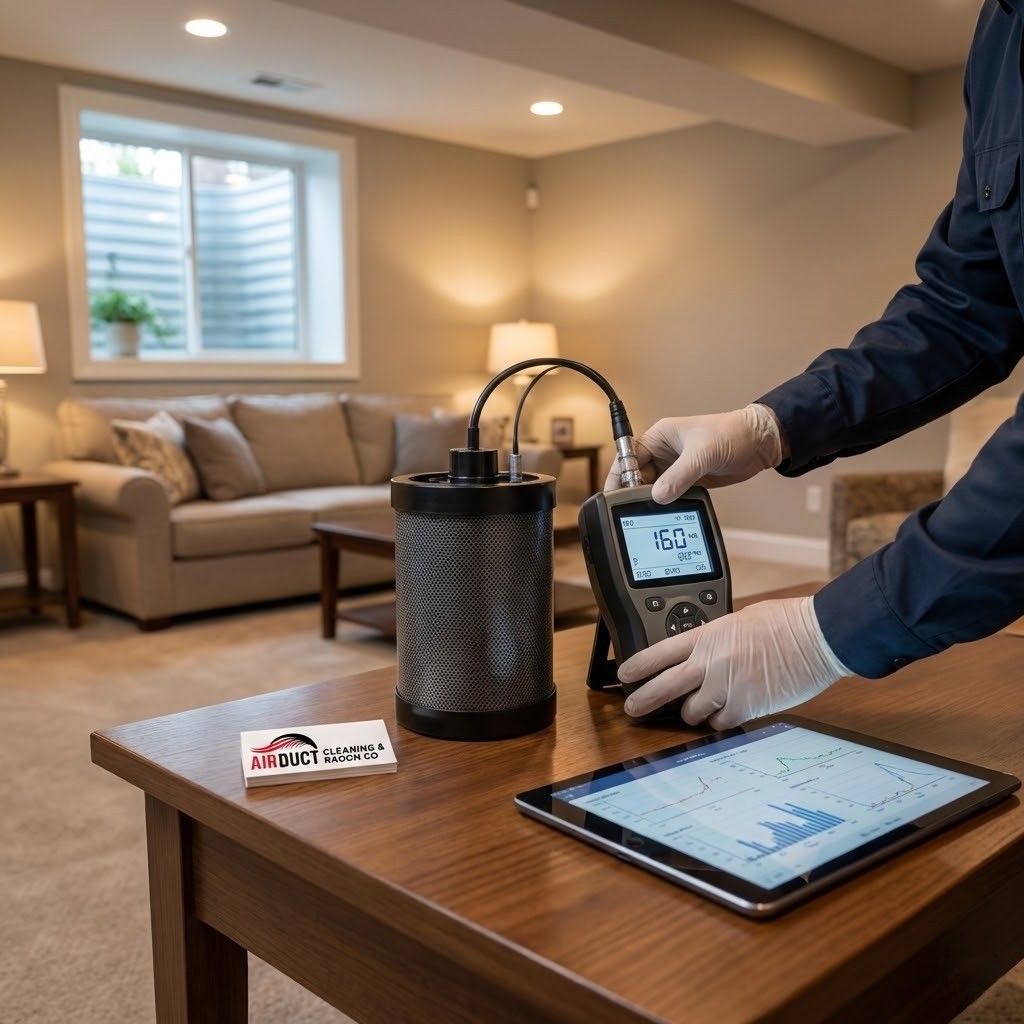
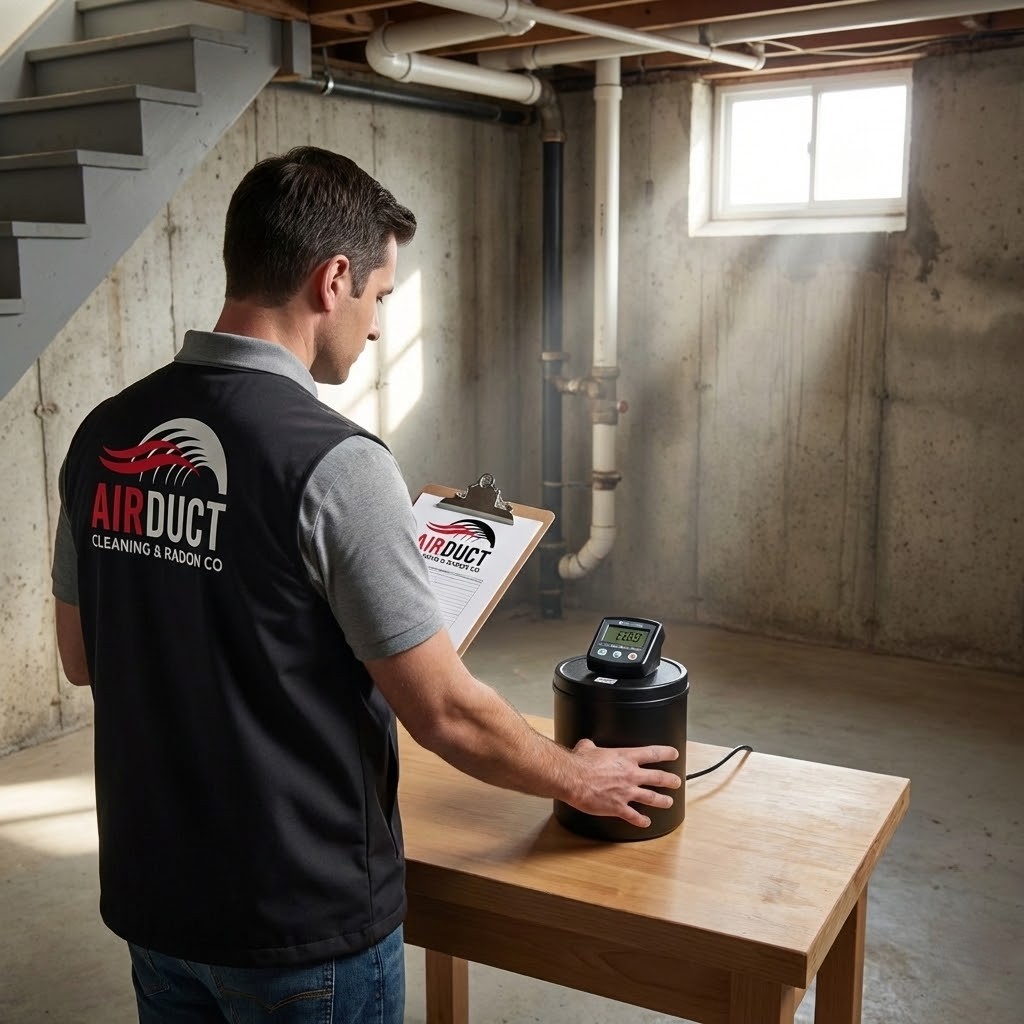
Every home is different. Testing shows what’s really happening below the surface.
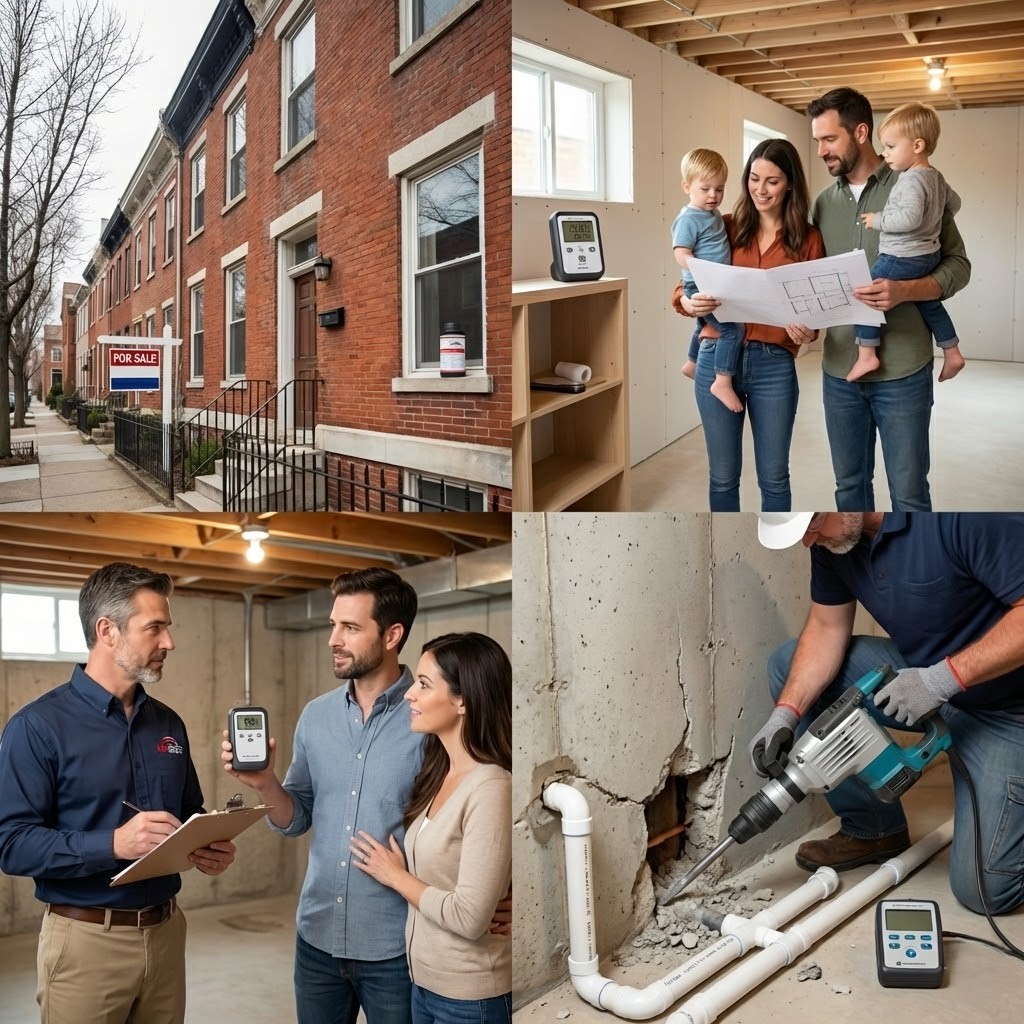
We evaluate your home’s foundation type, construction style, and lowest regularly used level.
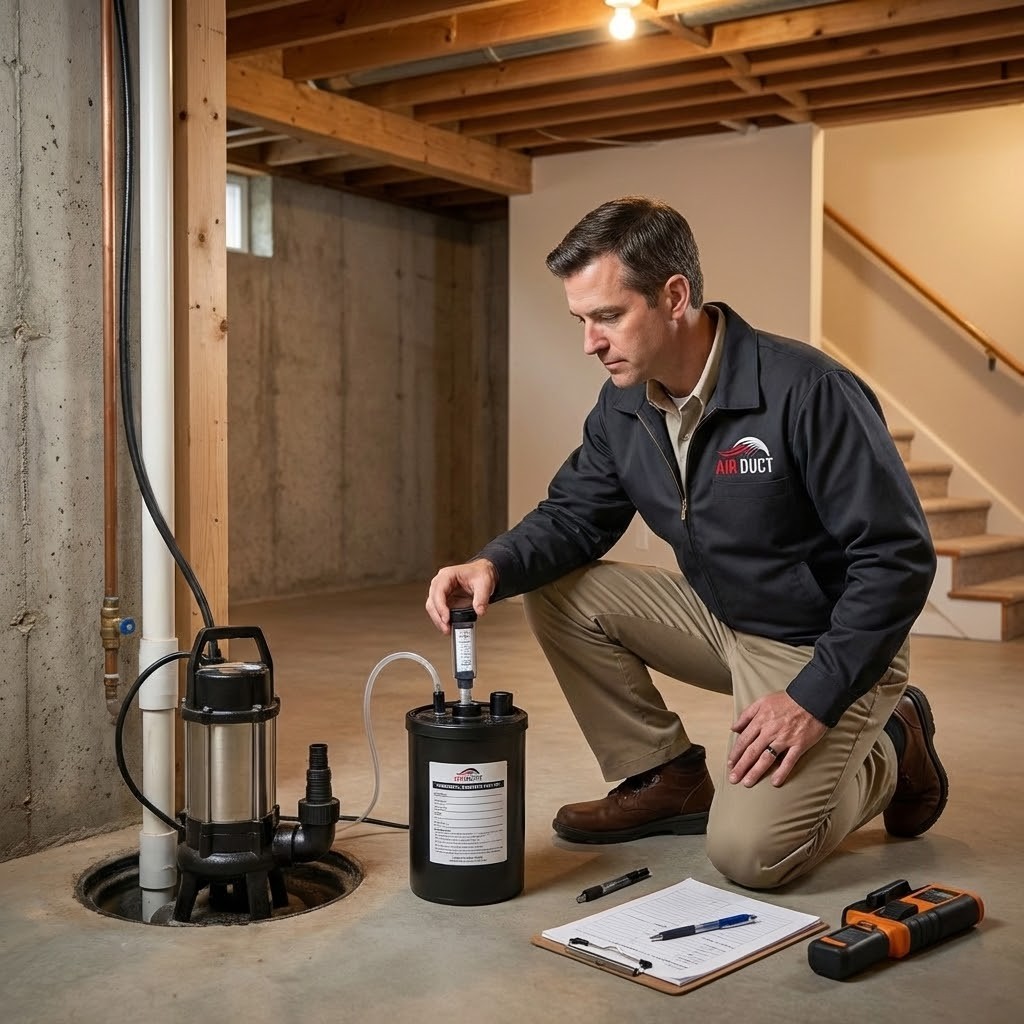
Professional radon monitors are placed in locations that best represent daily breathing conditions—never near windows, vents, or exterior walls.
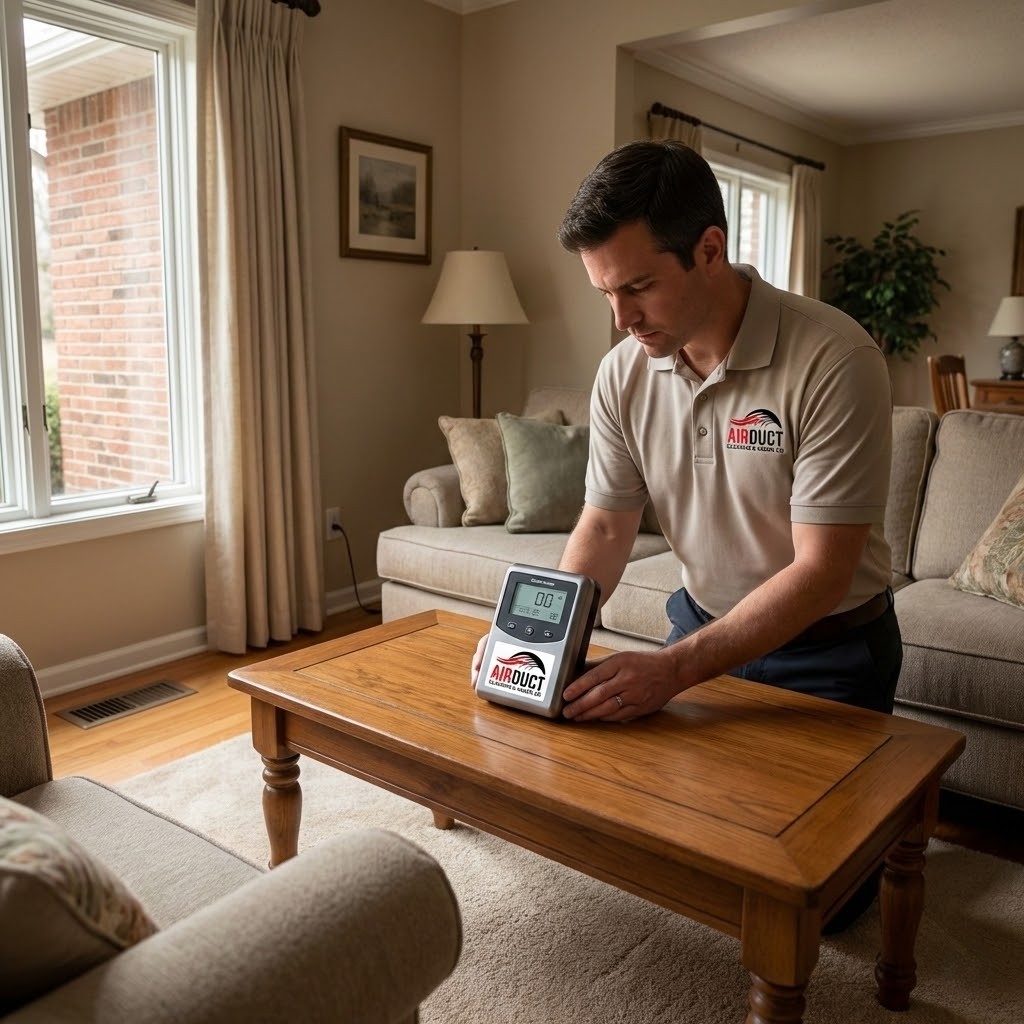
The test typically runs for about 48 hours under closed-house conditions while you continue normal activities.
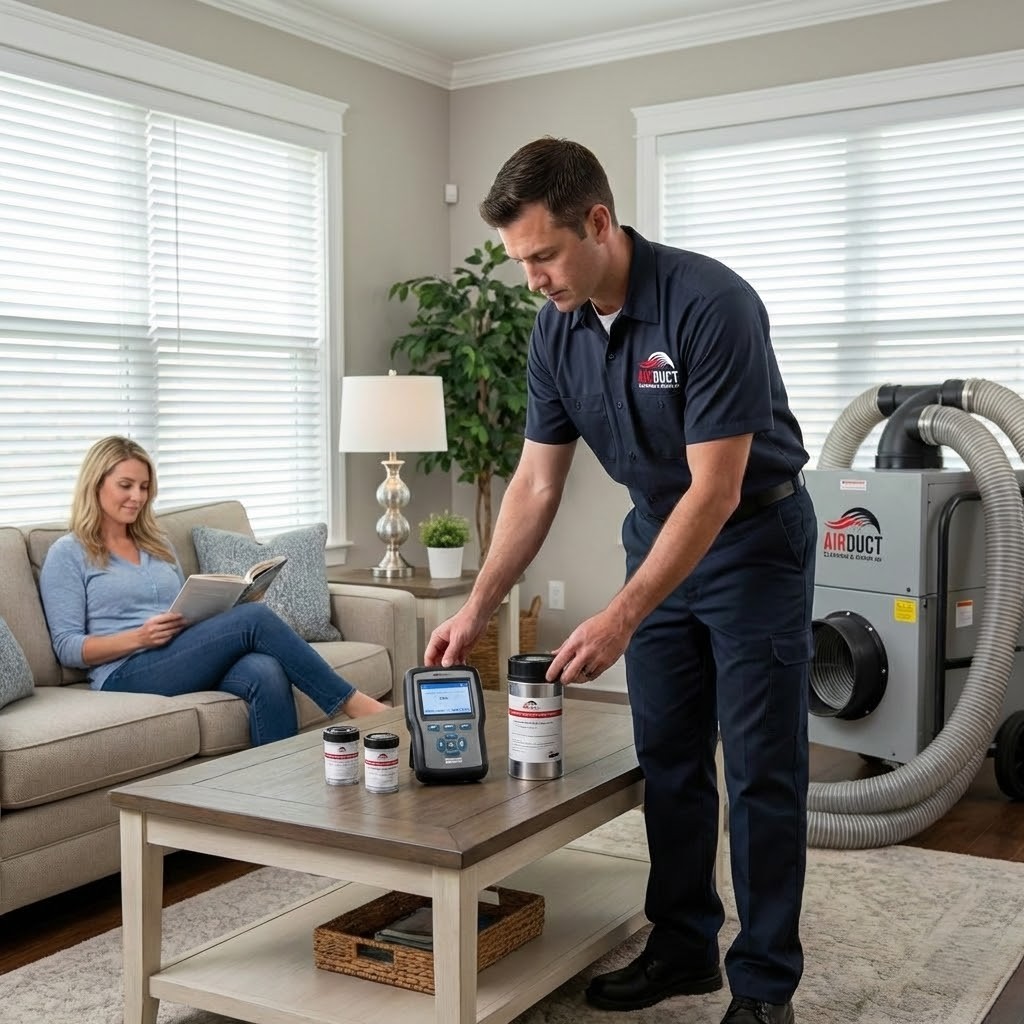
After the test concludes, readings are reviewed and documented clearly.

We explain the results in simple language and answer your questions honestly. If levels are elevated, we outline options calmly—without pressure.
Our focus is education, accuracy, and long-term peace of mind.

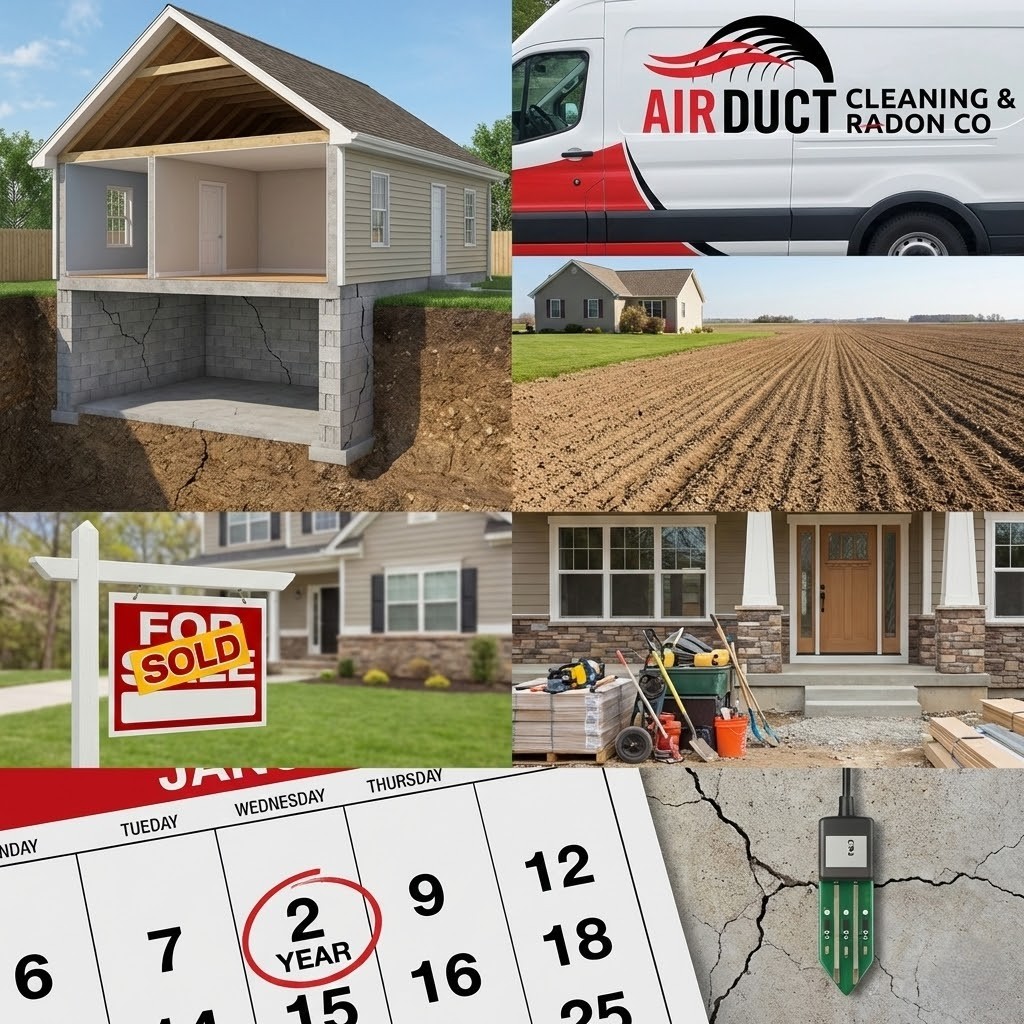
Radon levels can change as soil conditions shift and homes age.
Along with Lima, we serve nearby communities including
Our local coverage allows convenient scheduling and responsive service.
Answer: Yes. Open soil and agricultural land can allow radon gas to move more freely underground, increasing the chance of it entering nearby homes.
Answer: They can. Block walls and older concrete floors may have small gaps or joints that allow radon to seep inside over time.
Answer: Yes. Radon can move from basements into upper levels of the home, even if the basement isn’t used often.
Answer: Weather and seasonal pressure changes can influence radon levels. Professional testing accounts for these conditions to provide accurate results.
Answer: Every 2–3 years, or sooner after renovations, foundation work, or major changes to airflow or ventilation.
Radon testing is a simple step that provides powerful insight into your home’s indoor air quality. If you want accurate results and honest guidance, our Lima radon testing professionals are ready to help.

2025 © Air Duct Cleaning & Radon Co. All Rights Reserved. Privacy Policy | Terms & Conditions | Data Usage Policy


