
Service Areas of Airduct Cleaning Co. - Find Us Near You
Dayton sits at the heart of the Miami Valley, an area shaped by rivers, floodplains, and long-standing neighborhoods. While these features define the region, they also create conditions where radon gas can move easily from the ground into homes. Because radon is invisible and odorless, many Dayton homeowners don’t realize it’s present until proper testing is done.
Our radon testing service in Dayton, Ohio is built around accuracy, transparency, and local understanding. We help you uncover what’s happening inside your home and explain the results in plain language—without fear tactics or sales pressure.
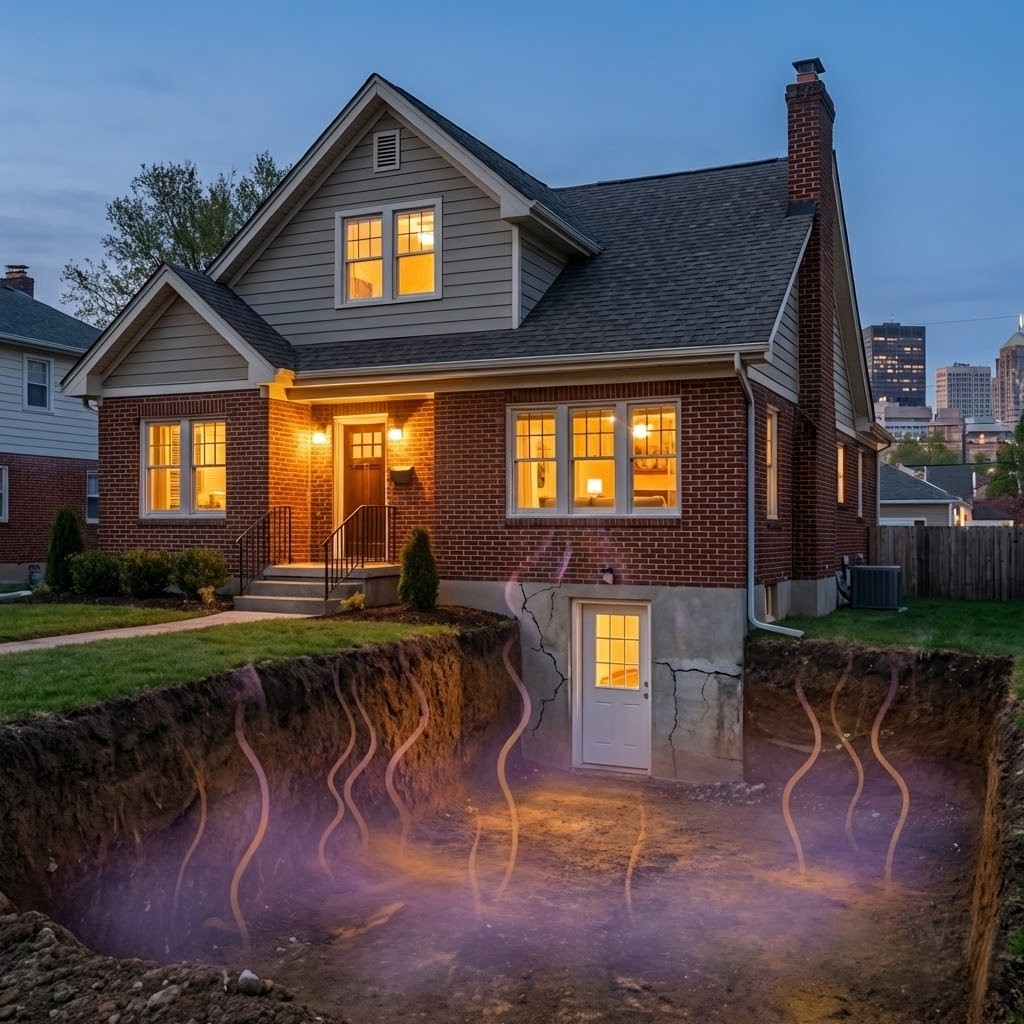
Radon forms naturally as underground materials break down. Once released, it travels through soil and looks for entry points into buildings. Dayton’s geography and housing styles can make this easier than many people expect.
Dayton-specific conditions that affect radon levels
Radon does not cause short-term symptoms. The health risk comes from breathing elevated levels over many years, which has been linked to lung cancer in both smokers and non-smokers.
Because there are no warning signs, testing is the only reliable way to know if radon is present.
Professional radon testing gives you dependable information about your indoor air quality. Our Dayton radon testing service focuses on real-world conditions—how your home is actually lived in.
All testing follows EPA-recommended protocols and Ohio-approved standards.
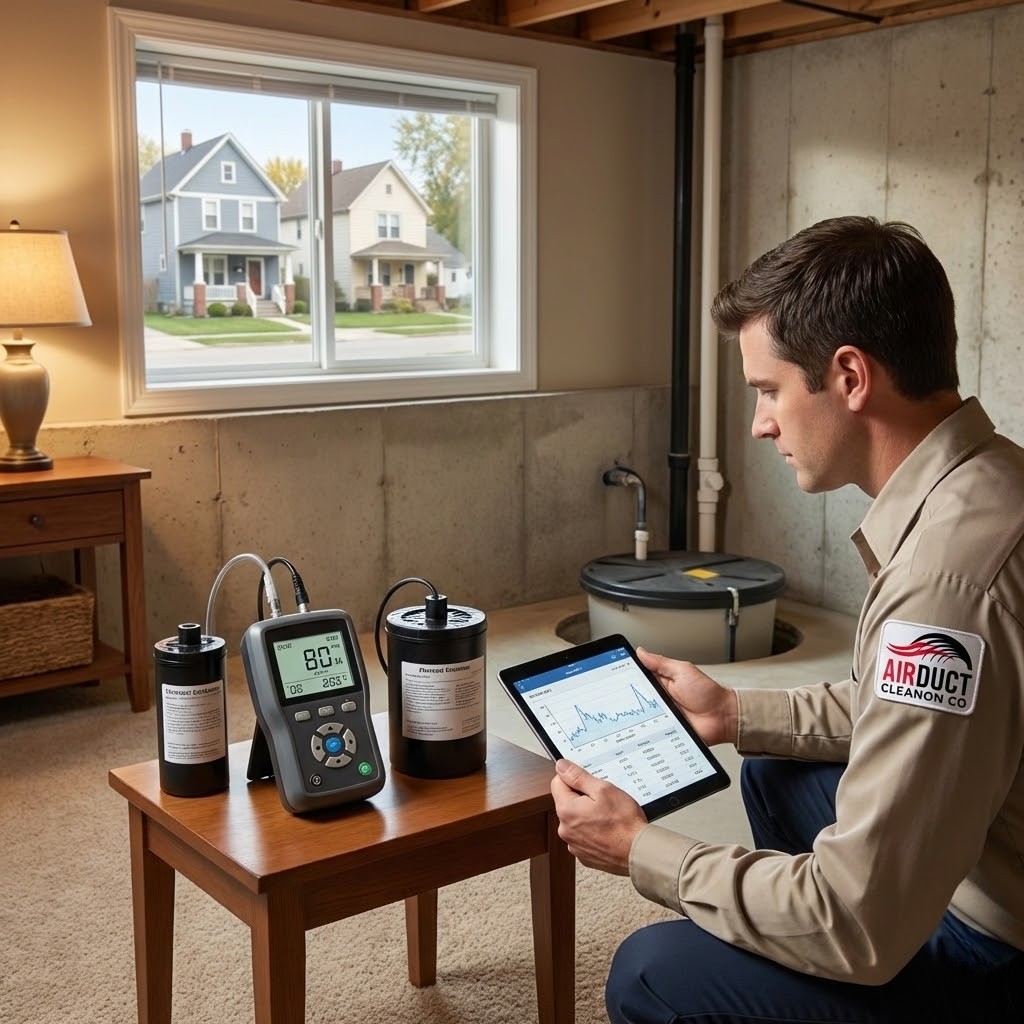
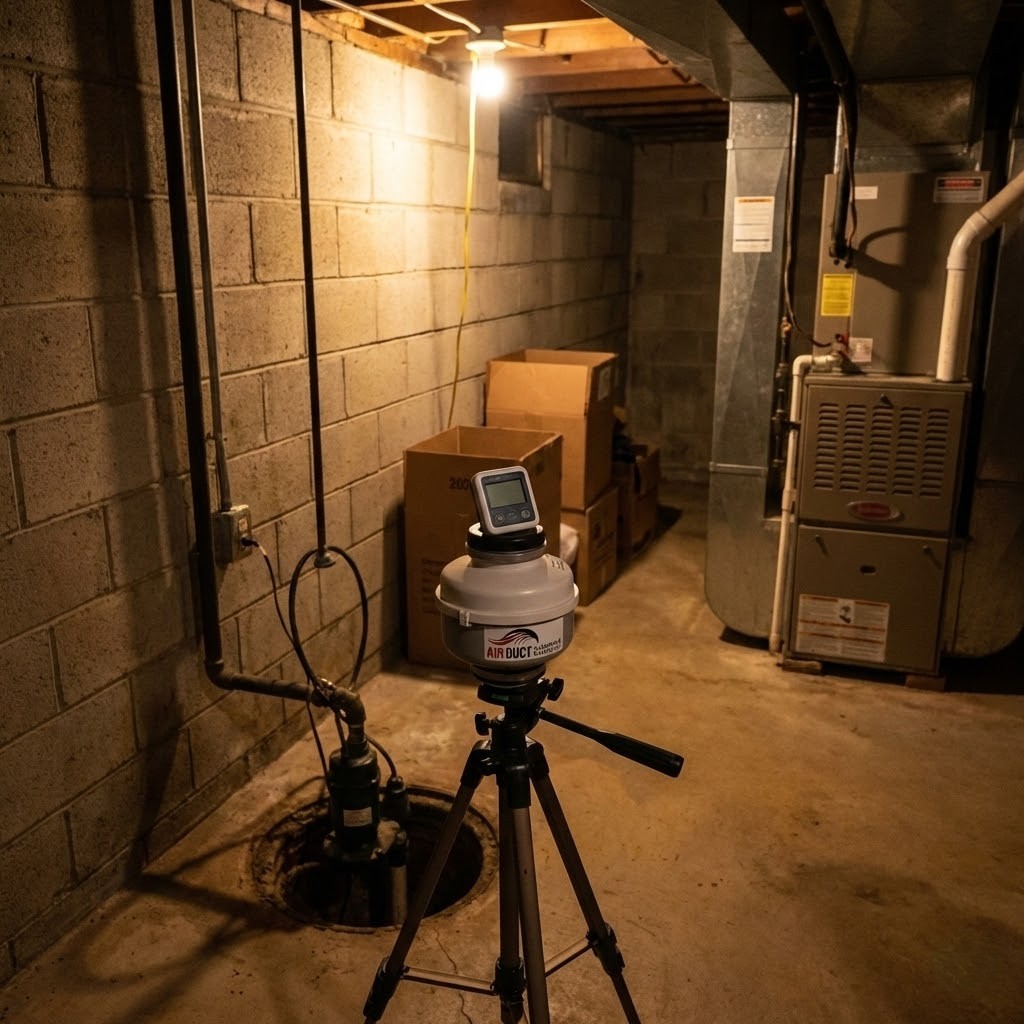
Each property behaves differently, which is why professional testing matters.
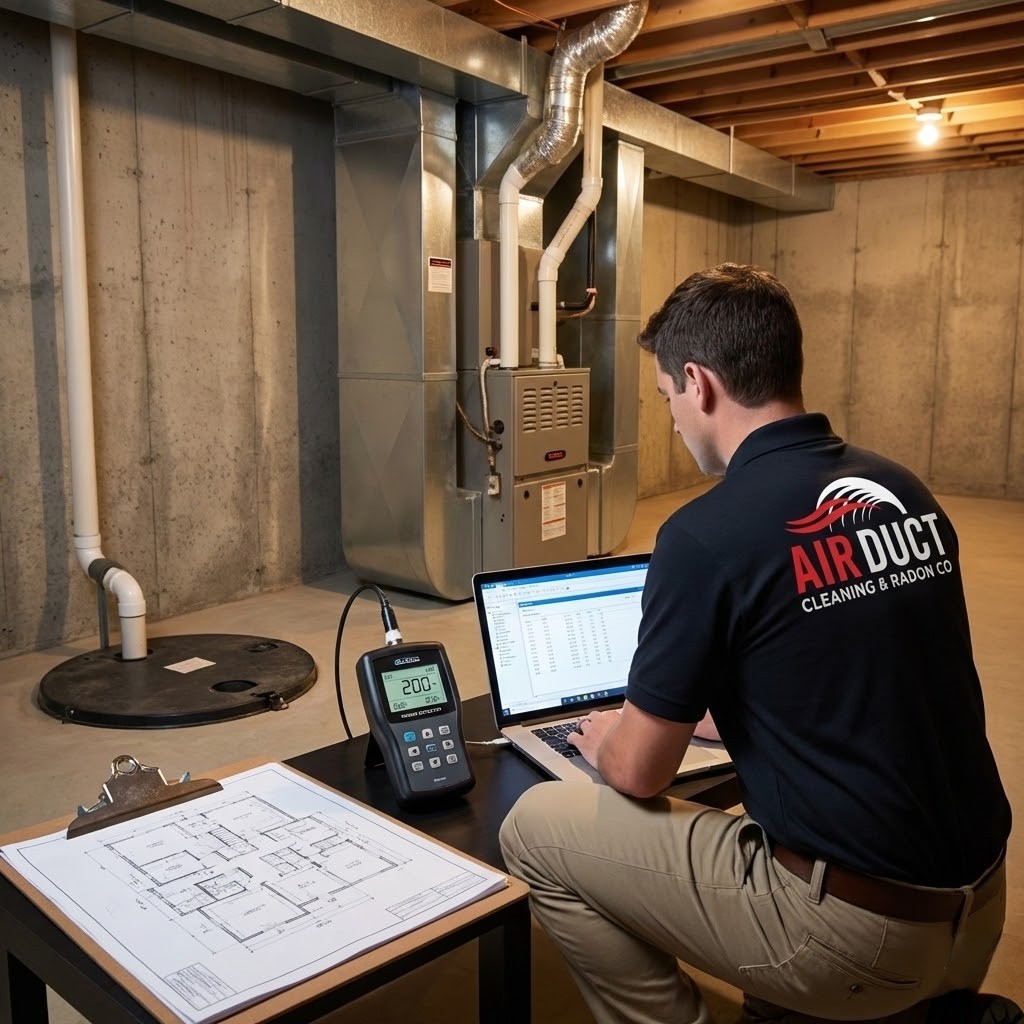
We review your home’s structure, foundation type, airflow patterns, and lowest regularly used level.
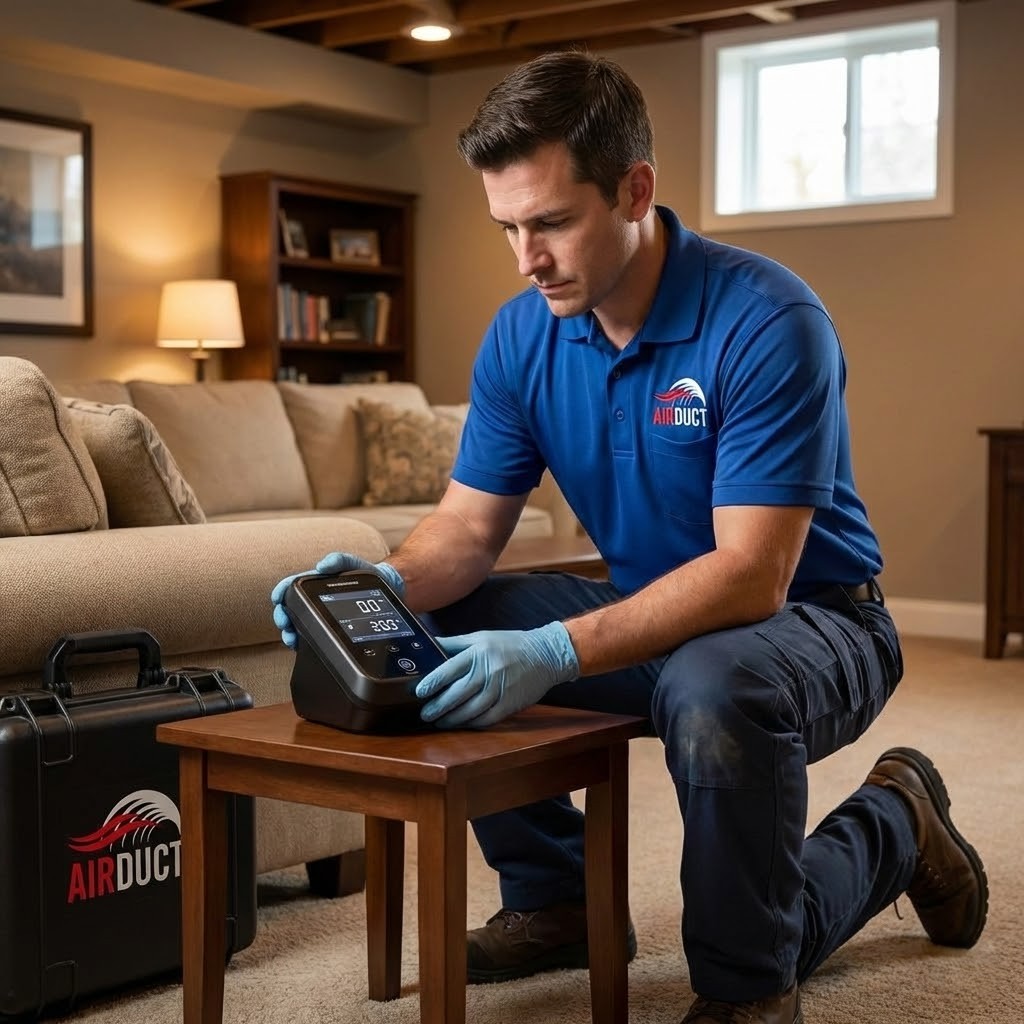
Commercial-grade radon testing devices are placed in the correct location—away from drafts, vents, and exterior walls.
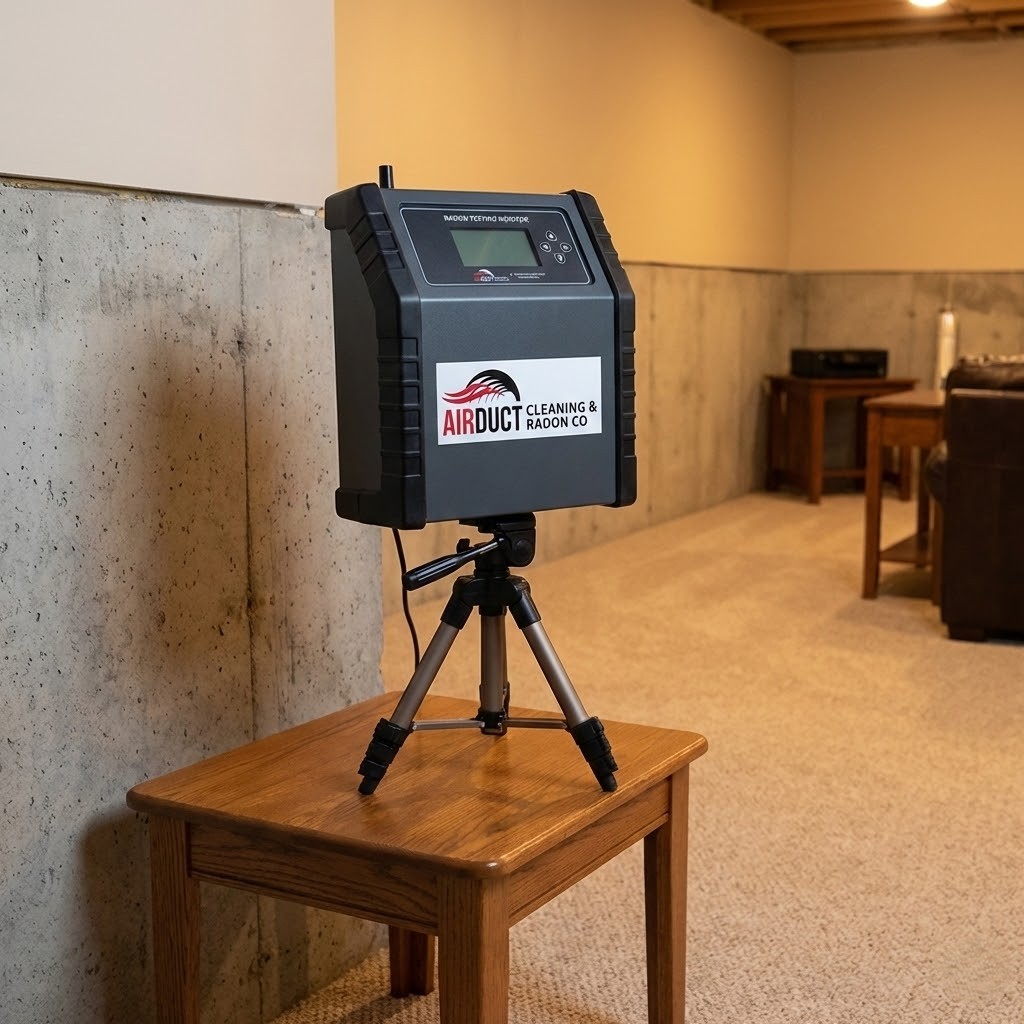
The test typically runs for about 48 hours under normal living conditions while doors and windows remain mostly closed.
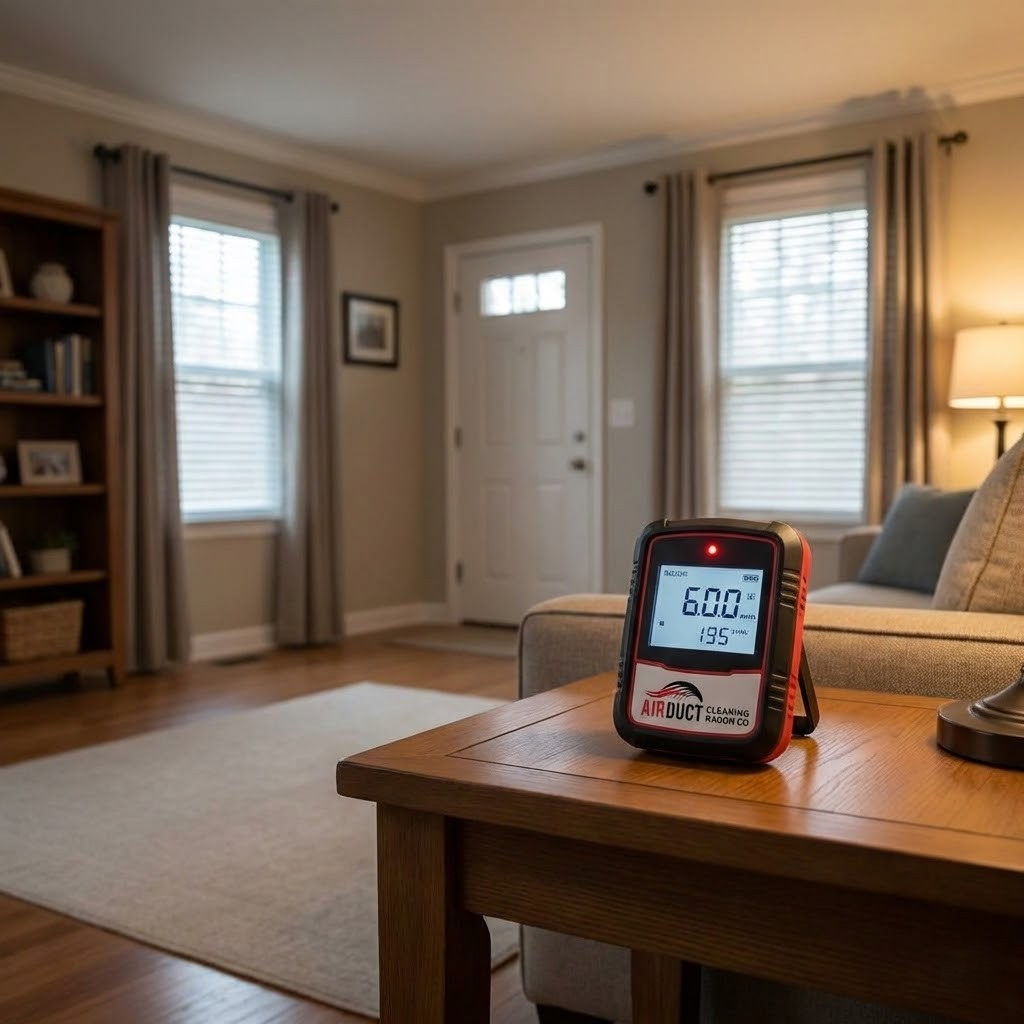
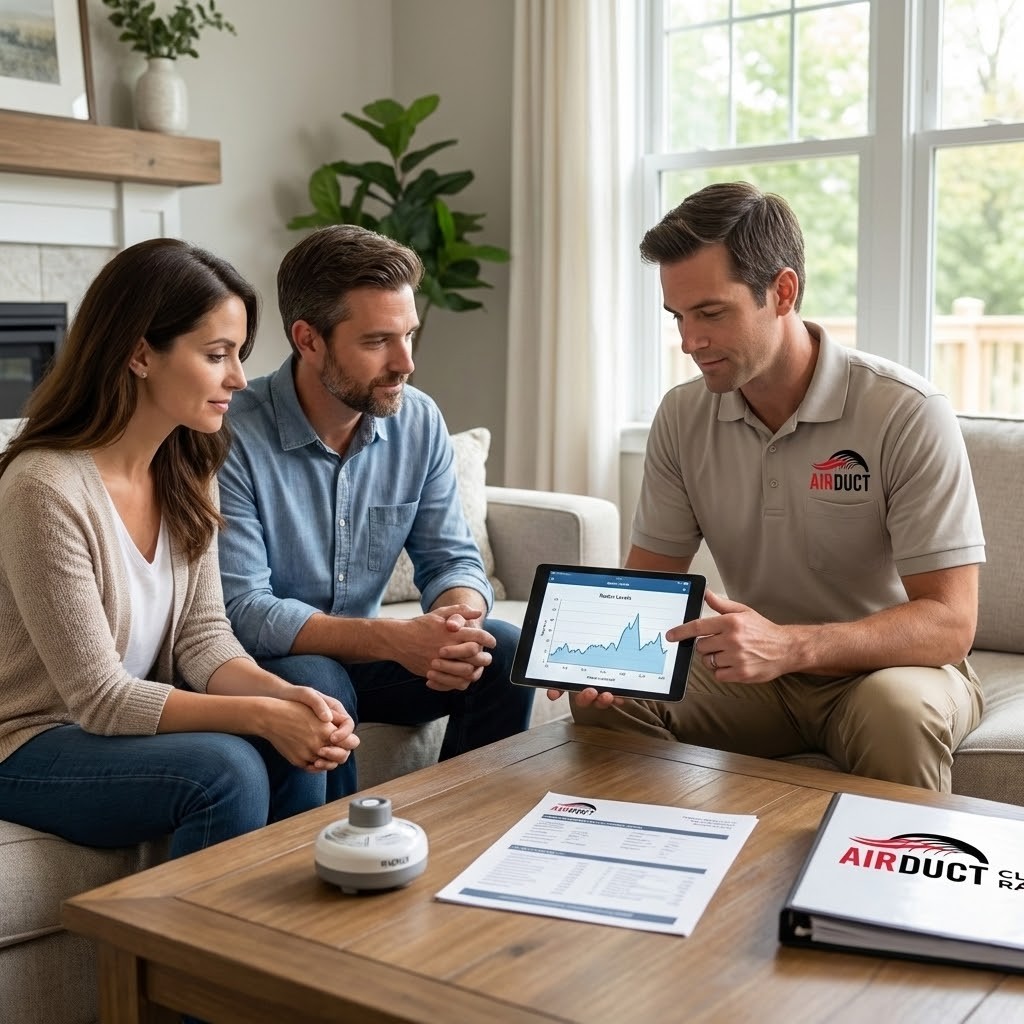
After testing, readings are reviewed and compiled into a clear, easy-to-read report.

We explain the findings calmly and honestly. If levels are elevated, we outline next steps without pressure.
Our focus is education, safety, and long-term peace of mind.
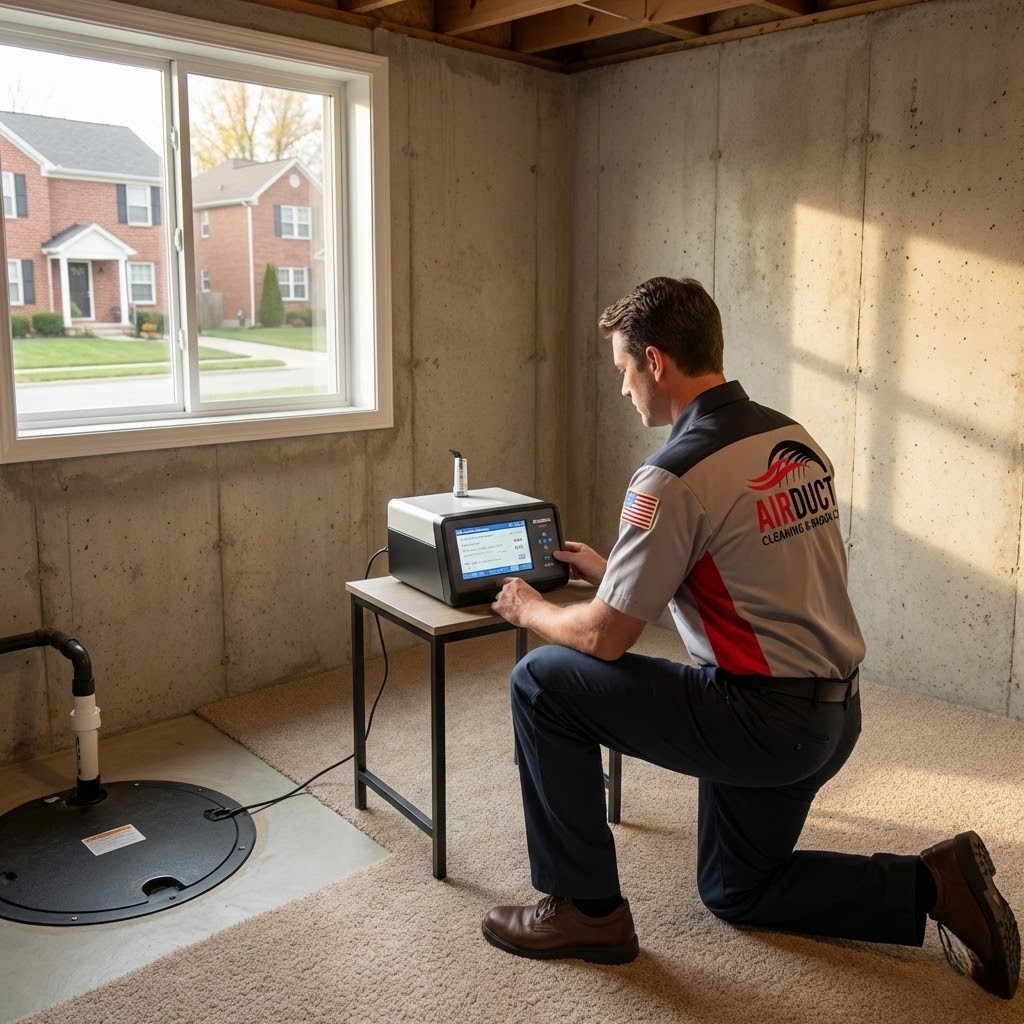
Radon levels can change as homes age and soil conditions shift.
In addition to Dayton, we serve nearby areas including
Our local coverage ensures prompt scheduling and reliable service.
Answer: River valleys and floodplains can influence soil movement and air pressure, which may allow radon to move more easily into nearby homes. Testing is the best way to know your specific risk.
Answer: Yes. Older homes may have foundation cracks or settling that allows radon to enter, even if the home appears well maintained.
Answer: Absolutely. Split-level and tri-level homes often draw air from lower levels, which can increase exposure if radon is present.
Answer: No. You can continue normal activities during the test. We only ask that windows and exterior doors stay mostly closed for accuracy.
Answer: Every 2–3 years, or sooner after renovations, basement changes, or major airflow adjustments.
Radon testing is a simple step that delivers valuable insight into your home’s indoor air. If you want accurate results and calm, professional guidance, our Dayton radon testing experts are ready to help.

2025 © Air Duct Cleaning & Radon Co. All Rights Reserved. Privacy Policy | Terms & Conditions | Data Usage Policy


