
Service Areas of Airduct Cleaning Co. - Find Us Near You
Springfield homes are built across mixed landscapes older neighborhoods near the city core, quiet residential streets, and expanding areas toward the outskirts. While these homes differ in age and design, they can all share one hidden indoor air concern: radon gas.
Radon doesn’t smell, doesn’t cause visible damage, and doesn’t trigger alarms. It quietly enters homes from the ground and becomes a risk only when levels remain high over time. For homeowners in Springfield, professional residential radon testing and mitigation is the most reliable way to understand that risk and take control of it.
At airduct-cleaning.com, we provide Springfield residents with accurate testing, clear explanations, and dependable solutions without repeating generic advice or using pressure-based sales.
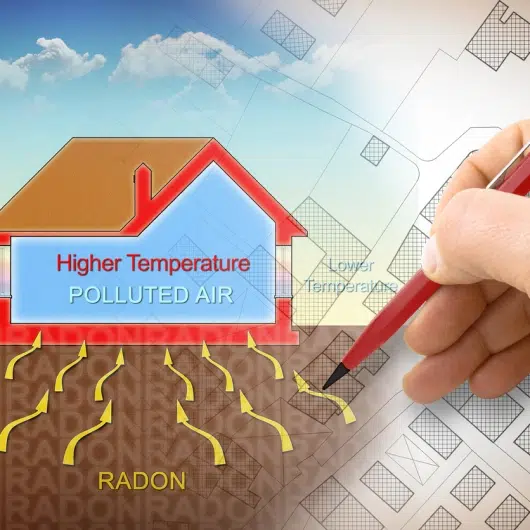
Radon forms naturally below the ground and moves upward through soil. In the Springfield area, local soil composition and foundation styles allow radon to enter homes through:
Homes in nearby areas such as New Carlisle, Enon, South Charleston, Northridge, and Greenon Township can experience very different radon levels, even when homes are close together.
Springfield’s seasonal shifts affect how air moves in and out of homes:
These conditions can cause radon levels to rise without any visible warning.
Radon is a concern because of long-term exposure, not short-term contact. This is especially important for:
Since radon has no smell or taste, testing is the only way to know if it’s present.
Radon testing removes uncertainty. Professional testing offers:
This helps Springfield homeowners decide what action if any is needed.
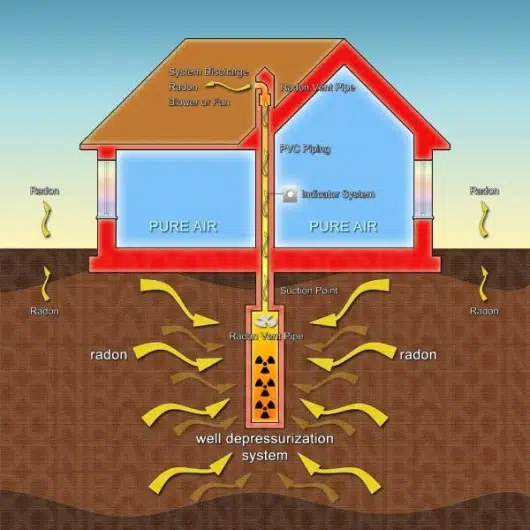
When elevated radon levels are found, mitigation systems work by managing air pressure beneath the home. A properly installed system:
Mitigation doesn’t reduce comfort or efficiency it improves indoor safety.
Once installed, mitigation systems work quietly and automatically.
Springfield homes vary widely in age and layout. Our process adapts to your home not a generic checklist.
Before testing, we look at:
This ensures testing reflects real living conditions.
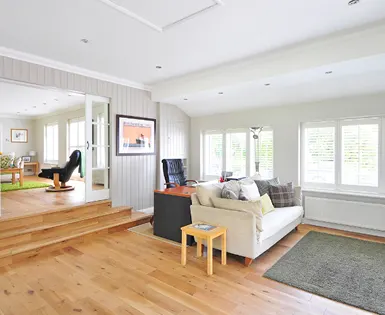
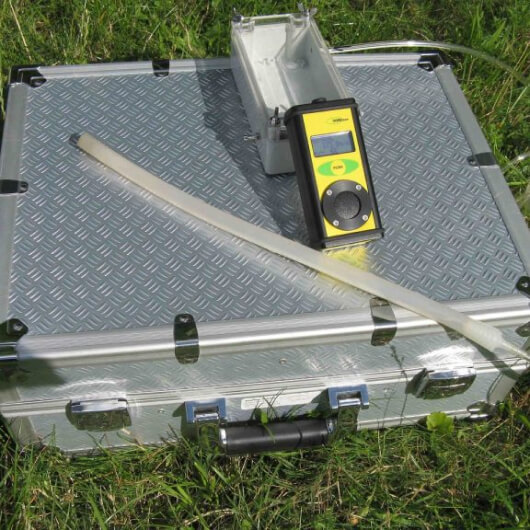
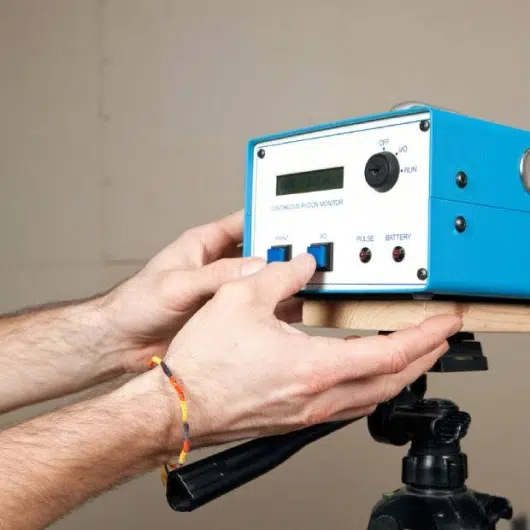
We use calibrated, professional-grade radon testing equipment.
What homeowners can expect:
Results are documented and explained clearly.
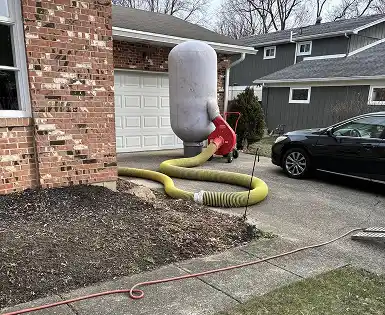
After testing, we review:
No pressure. Just clear, useful information.
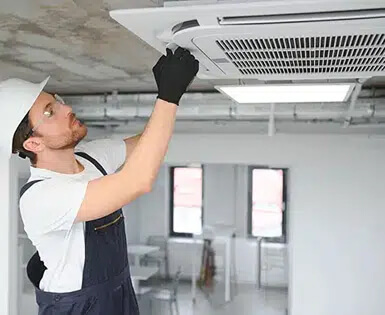
If mitigation is needed, the system is designed specifically for your home.
Depending on the structure, this may include:
Design focuses on effectiveness, durability, and minimal visual impact.
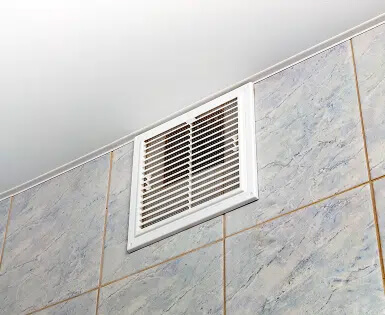
Our technicians install systems with care and respect for your home.
Springfield homeowners appreciate:
Most installations are completed in one day.
After installation, we retest to confirm:
Verification ensures long-term confidence.
Our goal is to make radon safety simple and stress-free.

We often help with:
Each situation is unique testing guides the solution.
Testing is recommended if:
Radon testing can be done year-round, though winter often shows higher readings.
Our residential radon services cover:
Local service means faster scheduling and better regional understanding.
Answer: Yes. Foundation design, soil conditions, and airflow differences can cause radon levels to vary widely between nearby homes.
Answer: Yes. Even well-ventilated homes can have elevated radon levels, especially during colder months.
Answer: Most systems are designed to be discreet. Exterior piping is routed carefully to minimize visibility while meeting safety standards.
Answer: Radon levels typically begin dropping as soon as the system is active. Verification testing confirms the reduction.
Answer: Every 2–3 years, or after major renovations, foundation work, or HVAC changes.
Radon may be invisible but taking action is clear and straightforward.
If you want accurate testing, honest guidance, and proven solutions, we’re ready to help

2025 © Air Duct Cleaning & Radon Co. All Rights Reserved. Privacy Policy | Terms & Conditions | Data Usage Policy


