
Service Areas of Airduct Cleaning Co. - Find Us Near You
Living in Ashland, Ohio offers quiet neighbourhoods, strong community values, and homes that often stay in families for generations. But beneath many Ashland houses lies a risk most homeowners never think about radon gas.
Radon doesn’t cause smells, leaks, or visible damage. It builds silently and affects indoor air quality over time. That’s why professional residential radon testing and mitigation in Ashland, Ohio is one of the most important safety checks a homeowner can make.
At airduct-cleaning.com, we help Ashland residents identify radon risks early and install long-term solutions that keep homes safe, comfortable, and healthy.
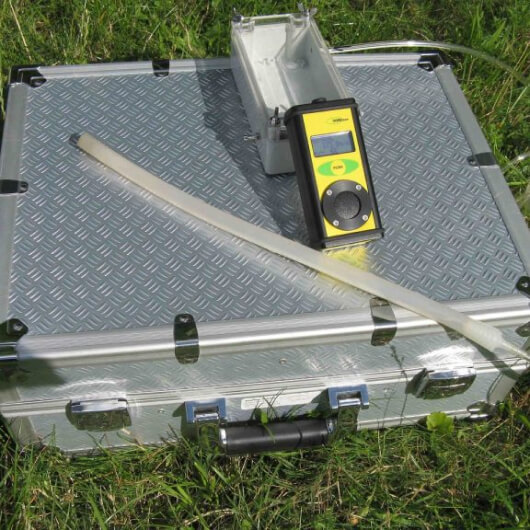
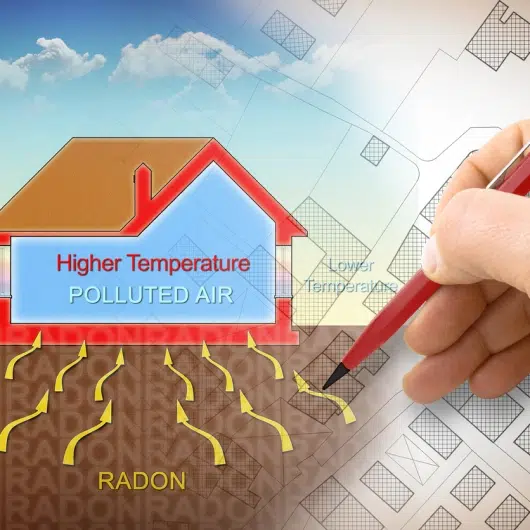
Radon forms naturally underground when uranium in soil and rock breaks down. Ashland County has soil conditions that allow radon gas to move easily toward the surface. Once released, radon can enter homes through:
Homes near Ashland, including areas close to Polk, Hayesville, Savannah, and Jerome Fork, can all experience elevated radon levels even when homes are well maintained.
Many homes in Ashland were built with:
Energy-efficient improvements like new windows, insulation, and sealed doors can actually trap radon inside, making indoor levels higher than before.
Radon exposure is linked to serious long-term health risks. It is a leading cause of lung cancer among non-smokers in the U.S. The danger comes from long-term exposure, especially for:
Because radon has no warning signs, testing is the only way to know if your home is affected.
Guesswork doesn’t protect your family. Professional radon testing provides:
Unlike DIY kits that often give inconsistent readings, professional testing shows whether action is needed and how urgent it is.
If testing shows radon levels at or above recommended limits, mitigation is the next step. A properly designed radon mitigation system:
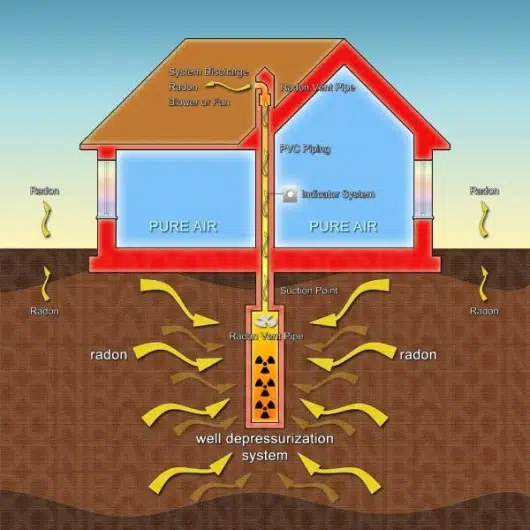
Most systems reduce radon levels dramatically and protect the home long-term.
Radon mitigation is one of the most effective indoor air quality improvements available.
We follow a structured, location-specific process designed around Ashland homes, not generic solutions.
Before testing begins, we review factors such as:
This helps us test correctly and plan mitigation only if it’s truly needed.
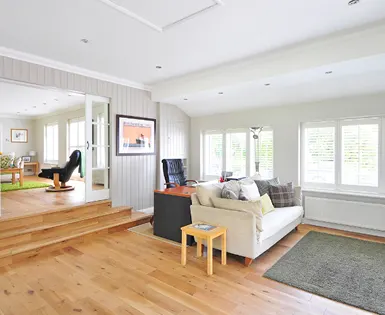
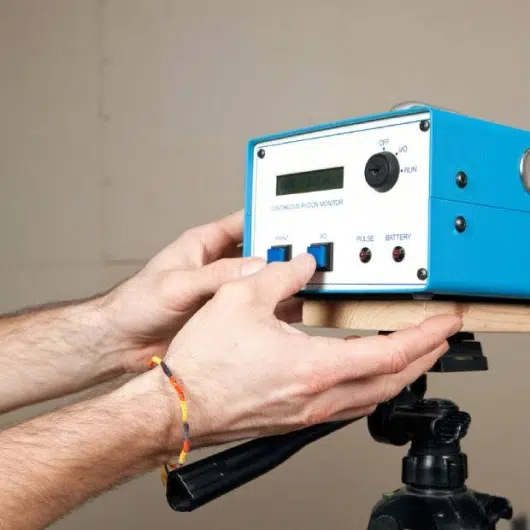
We use professional-grade radon testing equipment.
What the testing process includes:
After testing, results are reviewed in plain language no confusing numbers or technical terms.
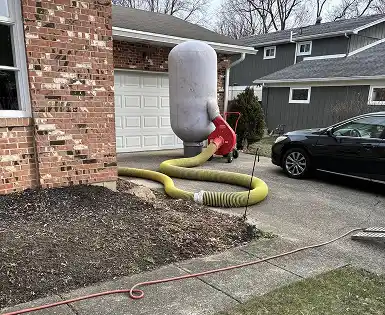
Once testing is complete, we explain:
We focus on education, not pressure.
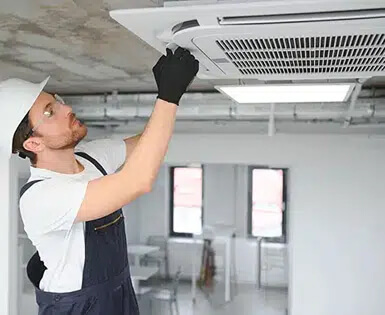
Every Ashland home is different. Mitigation systems are designed based on your structure and radon entry points.
Typical solutions may include:
Systems are built to be effective, durable, and visually clean.
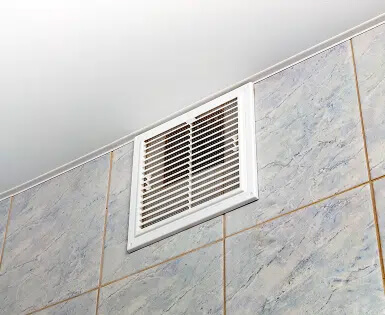
Installation is handled by trained technicians who respect your home.
Homeowners appreciate:
Most systems are installed in a single day.

After installation, follow-up testing is performed to:
Testing ensures the solution is working as intended.
We treat every home as if it were our own.

We frequently help with:
Each situation requires a unique approach, which is why testing always comes first.
Testing is recommended if:
Radon testing can be done at any time of year, but colder months often reveal higher levels.
We provide radon testing and mitigation services in:
Local service means faster response and better understanding of regional soil conditions.
Answer: Older homes can be at risk, but age alone doesn’t determine radon levels. Both older and newer homes in Ashland can test high depending on soil conditions, foundation design, and ventilation patterns.
Answer: Yes. Changes in weather, foundation settling, renovations, or ventilation can all affect radon levels. That’s why periodic testing is recommended even if past results were low.
Answer: Radon testing is not legally required, but many buyers request it during inspections. Having recent test results or a mitigation system in place can help prevent delays or negotiations.
Answer: No. Radon mitigation systems use low-energy fans designed to run continuously with minimal electricity usage. Most homeowners notice little to no change in energy costs.
Answer: With proper installation, radon mitigation systems are designed to last many years. Fans may eventually need replacement, but the overall system remains effective long-term.
Radon doesn’t announce itself but testing gives you clarity and control.
If you want professional guidance, accurate testing, and proven solutions, we’re ready to help.

2025 © Air Duct Cleaning & Radon Co. All Rights Reserved. Privacy Policy | Terms & Conditions | Data Usage Policy


