
Service Areas of Airduct Cleaning Co. - Find Us Near You
Cincinnati homes are known for character historic neighborhoods, hillside properties, and homes built into varying terrain. But that same geography also creates a hidden indoor air risk many homeowners never think about: radon gas.
Radon doesn’t leak, stain walls, or trigger alarms. It slowly accumulates indoors and becomes a long-term health concern if left unchecked. That’s why residential radon testing and mitigation in Cincinnati, Ohio is a critical safety step not just a formality.
At airduct-cleaning.com, we help Cincinnati homeowners clearly understand radon risks and fix them with proven, long-term solutions without pressure or fear-based messaging.
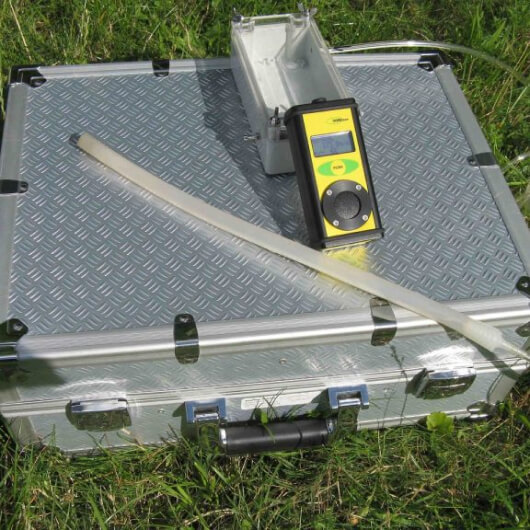
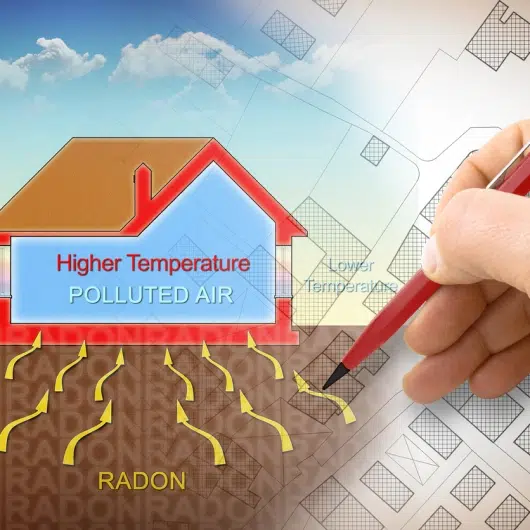
Unlike flatter regions, Cincinnati’s rolling hills and layered soil create natural pressure pathways that allow radon to move upward easily. Homes in Cincinnati especially those built into slopes are more likely to experience radon entry through:
Neighborhoods such as Hyde Park, Anderson Township, Clifton, Westwood, and Delhi often include older foundations that interact directly with surrounding soil.
Many Cincinnati homeowners upgrade insulation, windows, or HVAC systems to improve comfort and efficiency. While beneficial, these improvements can reduce natural air leakage and trap radon inside, allowing levels to rise without notice.
Radon risk is not immediate—it builds quietly. Long-term exposure is linked to serious lung health issues, especially for:
Because radon has no smell or visual clues, testing is the only reliable way to detect it.
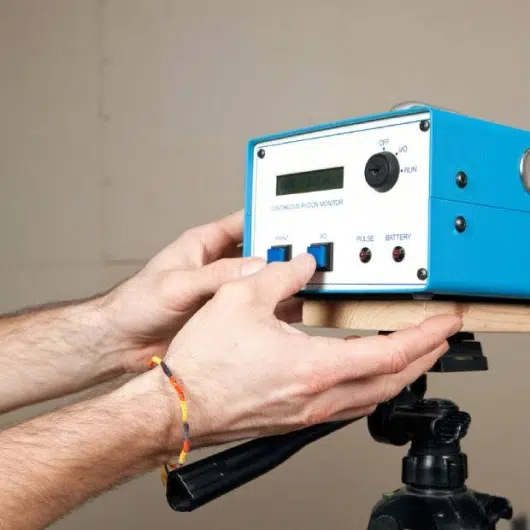
Radon testing answers a simple but important question: Is radon a concern in your home or not? Professional testing offers:
This eliminates confusion and unnecessary worry.
When elevated radon is found, mitigation systems work by changing the pressure beneath your home. A correctly designed system:
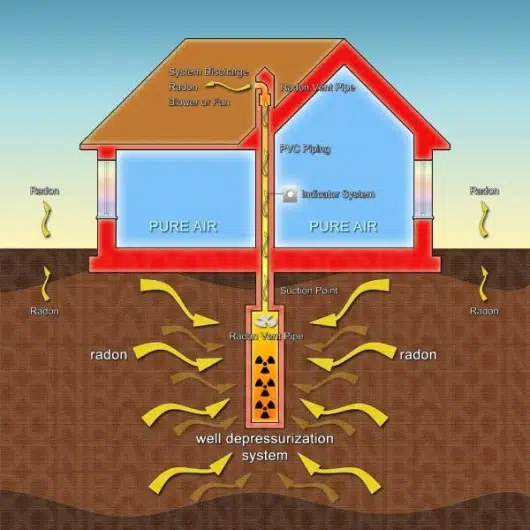
Mitigation doesn’t cover up radon—it controls it.
Once installed, the system works quietly in the background.
Cincinnati homes vary widely. Our process adapts to your structure, not the other way around.
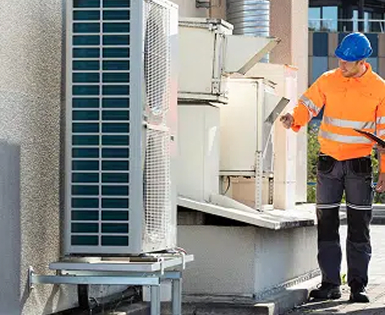
Before testing, we evaluate:
This ensures testing and mitigation are targeted and accurate.
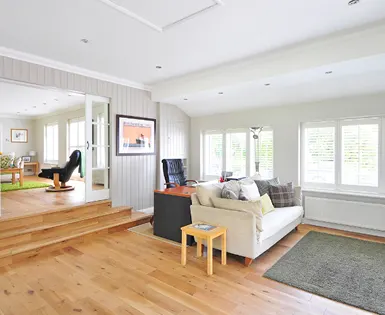
We use professional-grade radon testing equipment suited for residential homes.
Results are documented and reviewed in plain English.
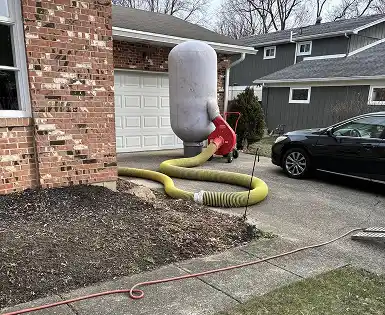
After testing, we explain:
There’s no obligation just clear information.
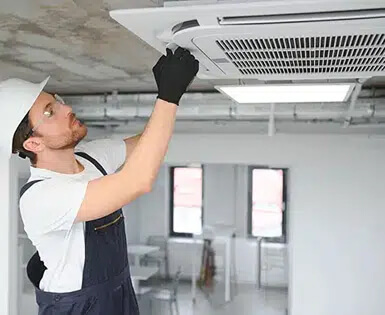
If mitigation is recommended, the system is designed specifically for your home.
Depending on the layout, this may involve:
Design focuses on effectiveness, longevity, and minimal visual impact.
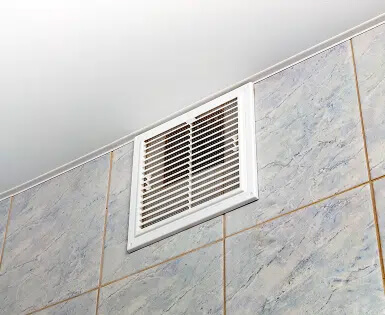
Installation is completed with attention to detail.
Homeowners value:
Most installations are completed within one business day.
After installation, we retest to confirm:
Verification ensures peace of mind.
Our goal is clarity, not complexity.

We regularly assist with:
Each home requires a different approach testing guides the solution.
Testing is recommended if:
Radon testing can be done year-round, but fall and winter often reveal higher levels.
Our radon services cover:
Local service means quicker response and better regional insight.
Answer: Yes. Homes built into slopes often have more soil contact on lower levels, which can increase radon entry points.
Answer: Yes. Improvements that seal the home or change airflow can unintentionally raise radon levels, making retesting important.
Answer: No. Systems operate quietly and automatically. Once installed, most homeowners forget they’re even there.
Answer: No. Radon can move from basements into upper floors over time, affecting the entire home.
Answer: Every 2–3 years, or after major renovations, foundation work, or HVAC changes.
Radon is invisible—but your response doesn’t have to be uncertain.
If you want accurate testing, clear explanations, and proven solutions, we’re ready to help.

2025 © Air Duct Cleaning & Radon Co. All Rights Reserved. Privacy Policy | Terms & Conditions | Data Usage Policy


